Private and culinary travel
Grand Est, France
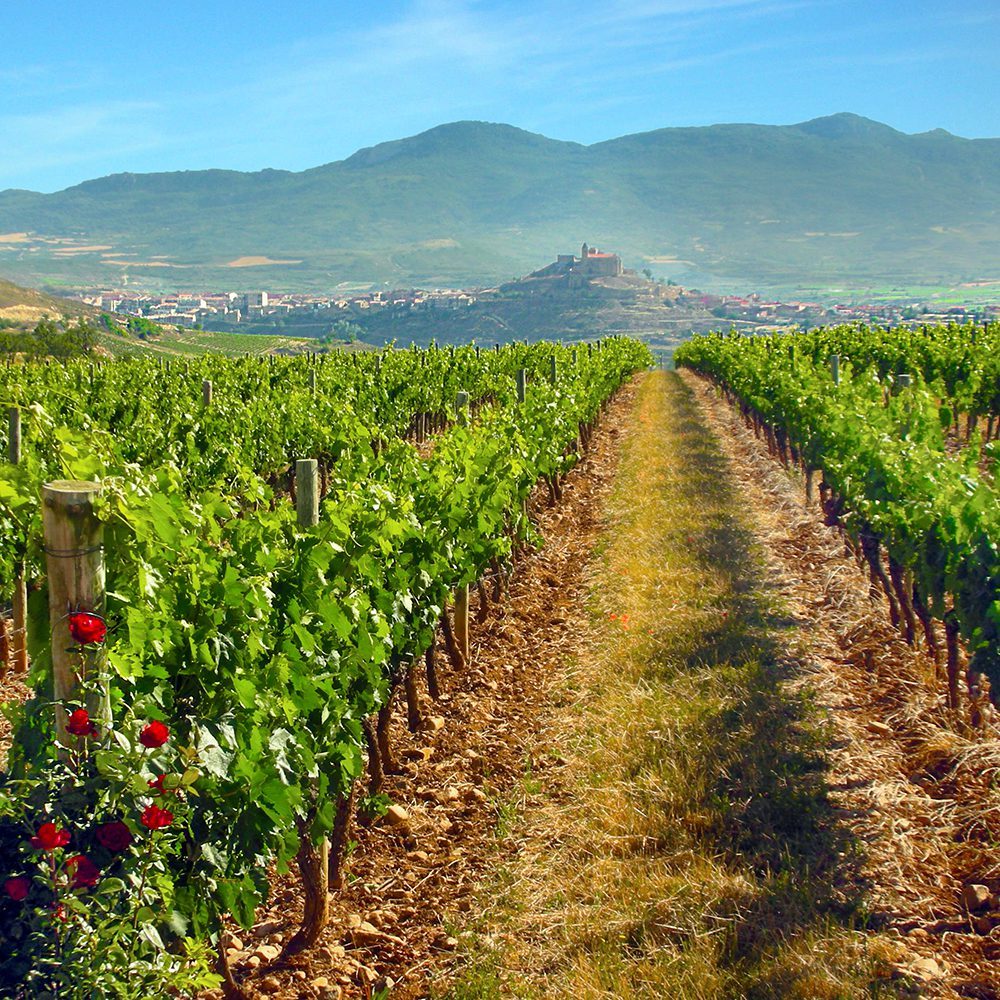
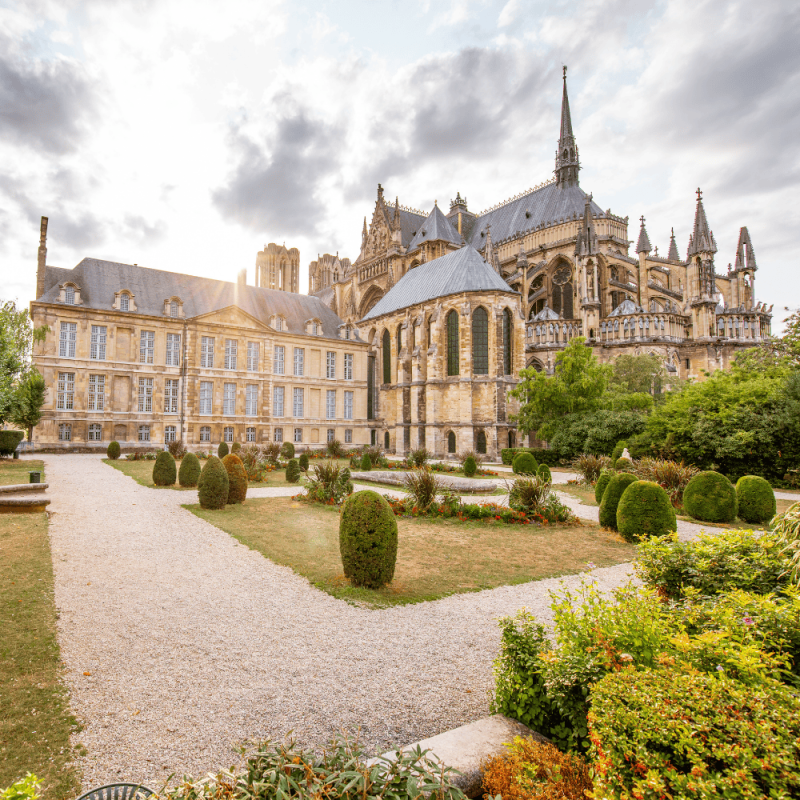
A borderland of vineyard-covered slopes, forested hills, and half-timbered towns, where rivers trace historic trade routes and cultures overlap quietly. Grand Est feels layered and continental, shaped by geography, craftsmanship, and centuries of exchange.
Grand Est lies in northeastern France, bordering Germany, Switzerland, Belgium, and Luxembourg. Formed from the historic regions of Alsace, Champagne, and Lorraine, it reflects a blend of French and Central European influence visible in architecture, food, and daily life. Long connected to viticulture, agriculture, and trade, Grand Est offers a travel experience defined by tradition, precision, and a strong sense of regional identity.
Shaped by Borders and Rivers
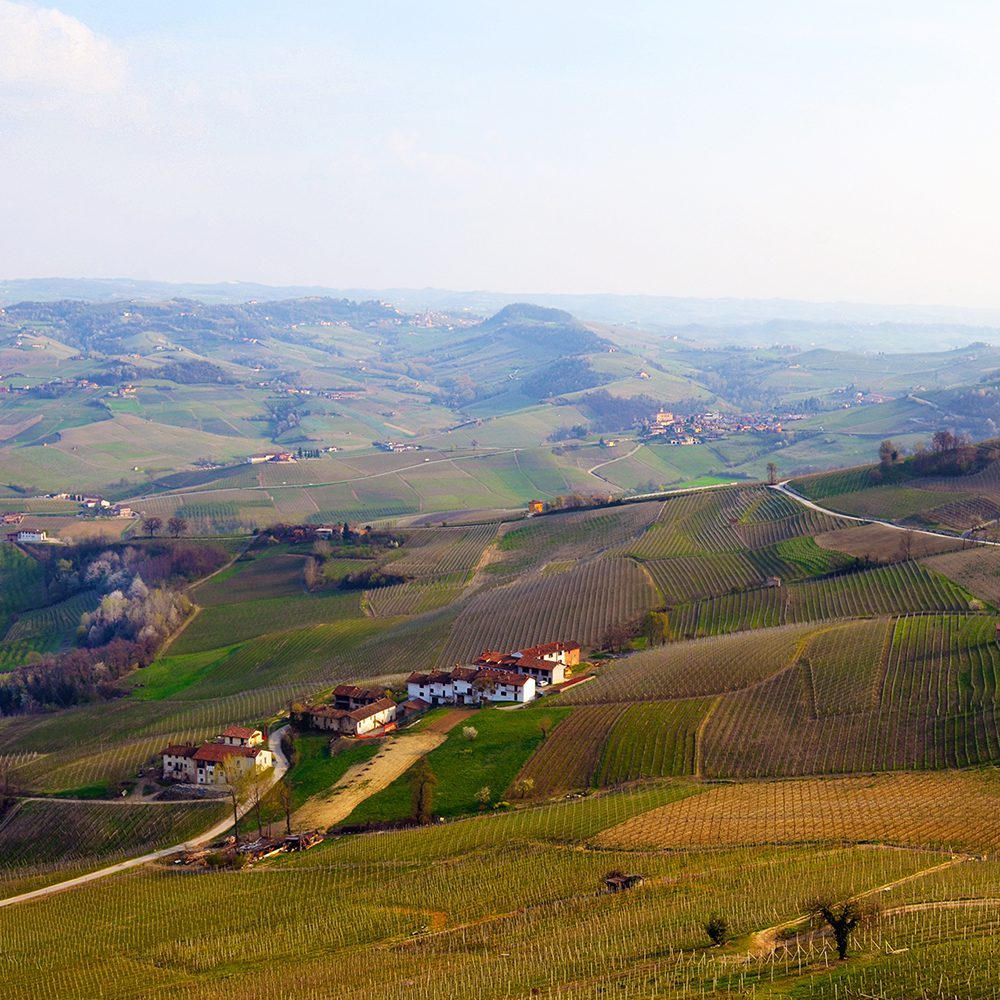
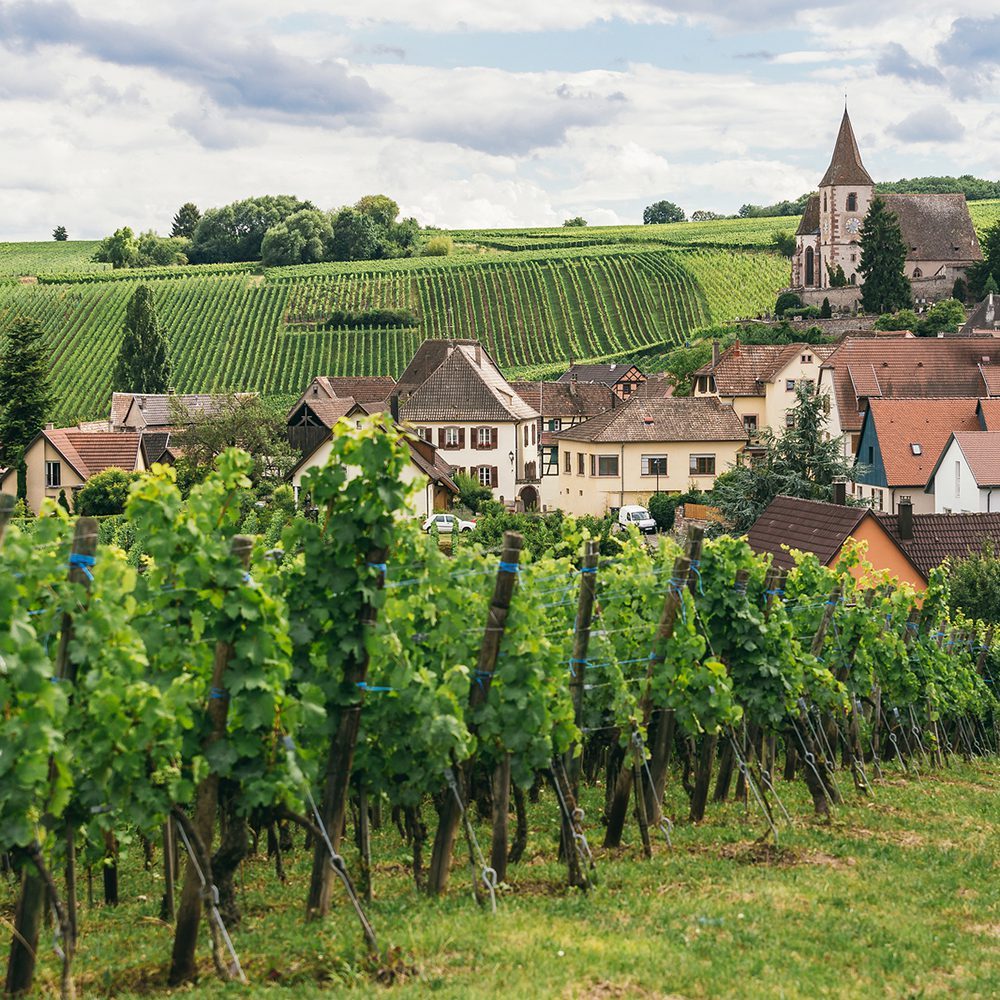
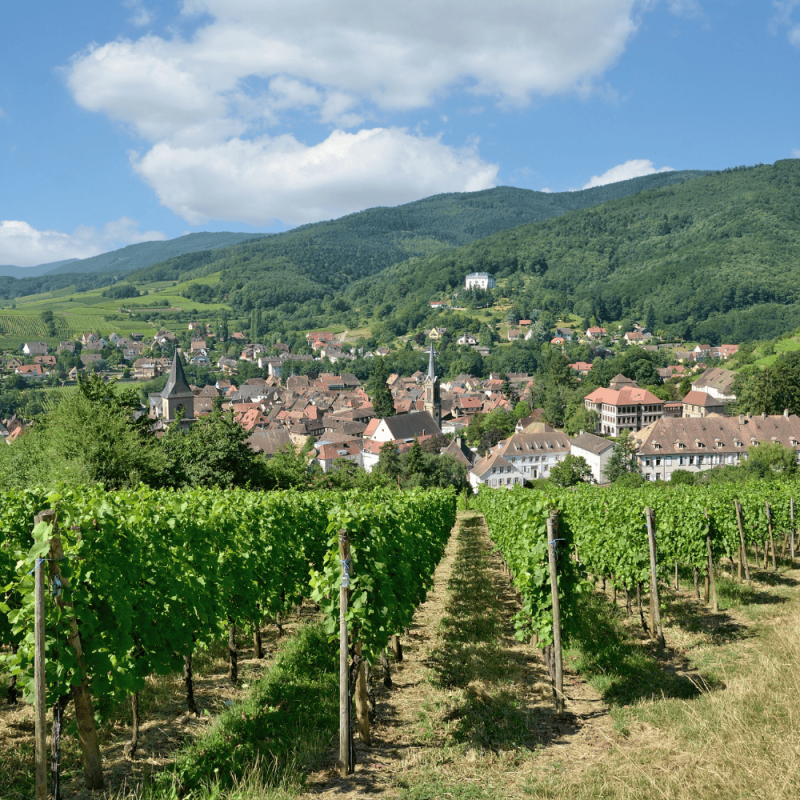
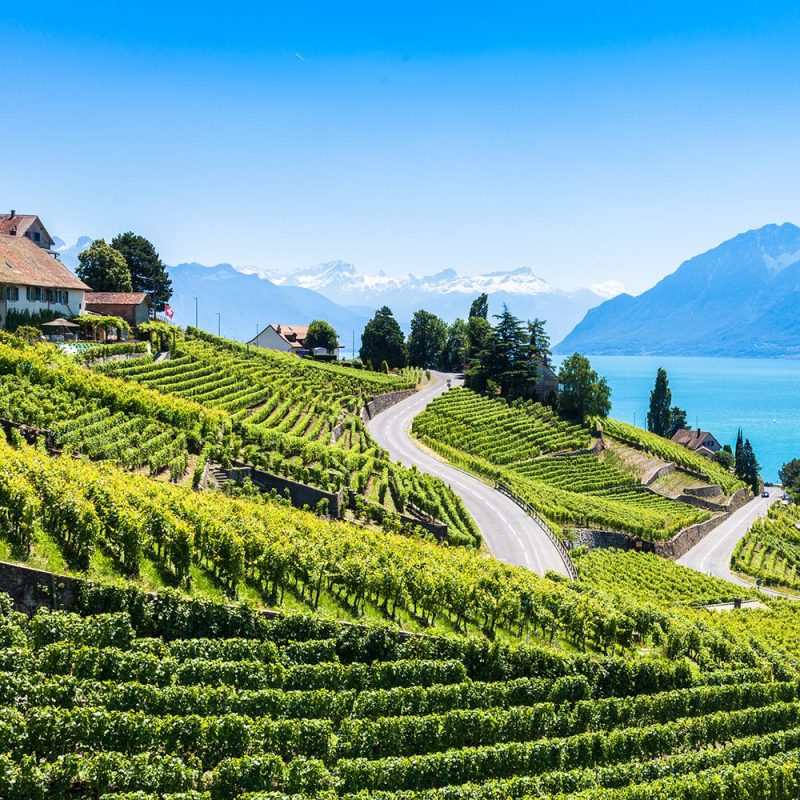
The region’s geography is varied and purposeful. Vineyards follow river valleys, forests stretch across uplands, and towns developed along historic crossings and trade corridors. Travel here feels measured and layered, revealing how land and history remain closely linked.
Towns of Craft and Continuity
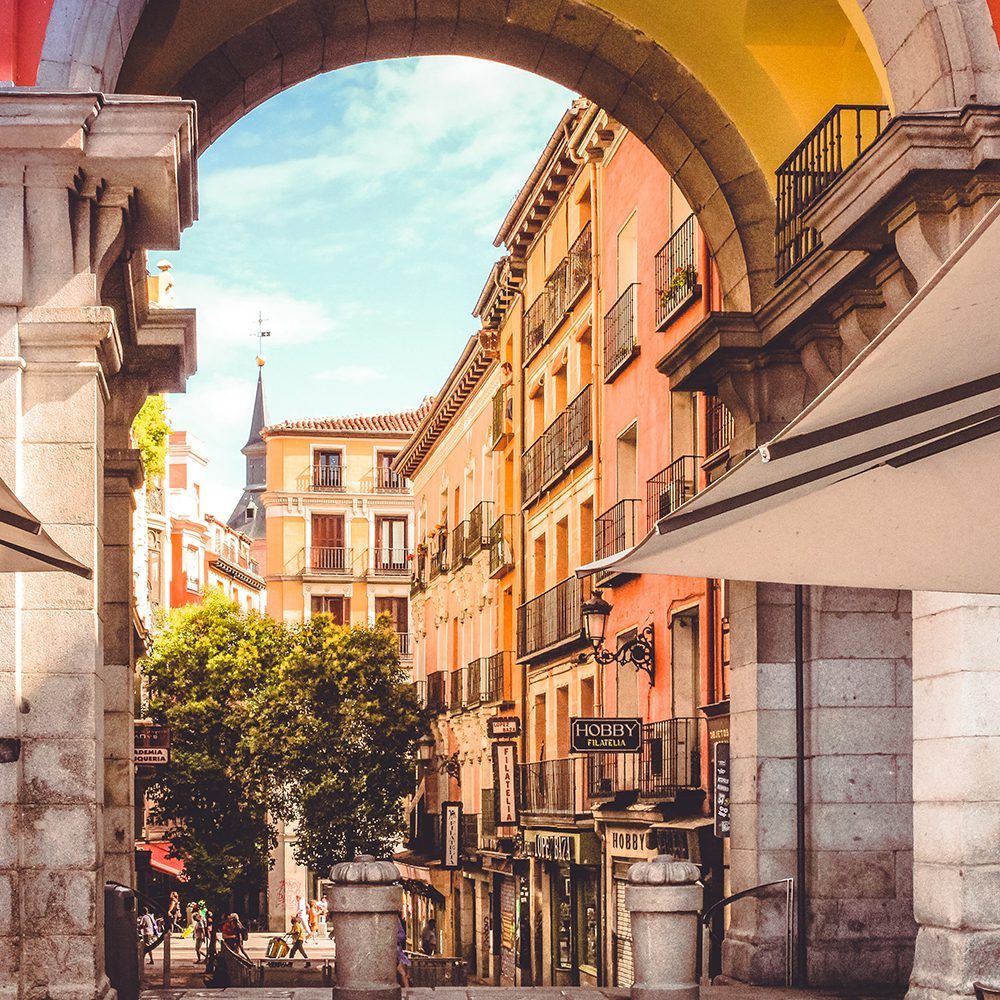
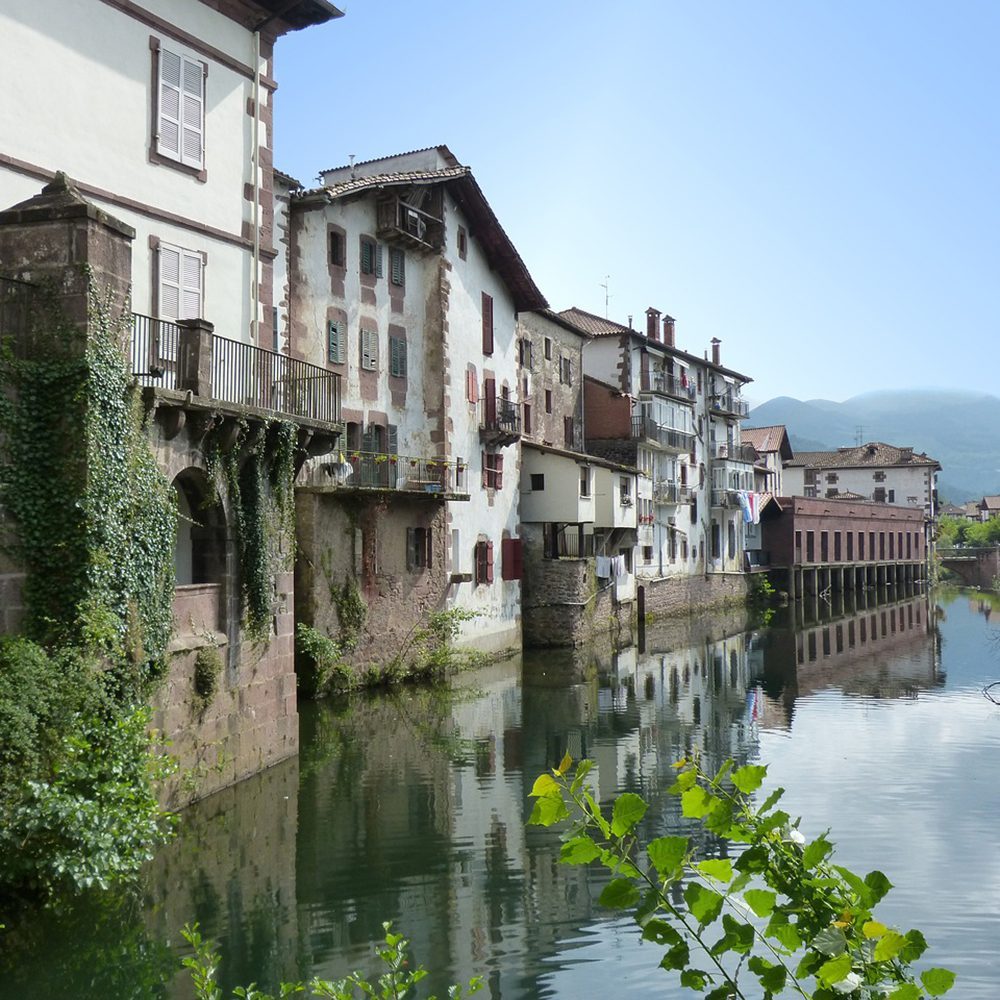
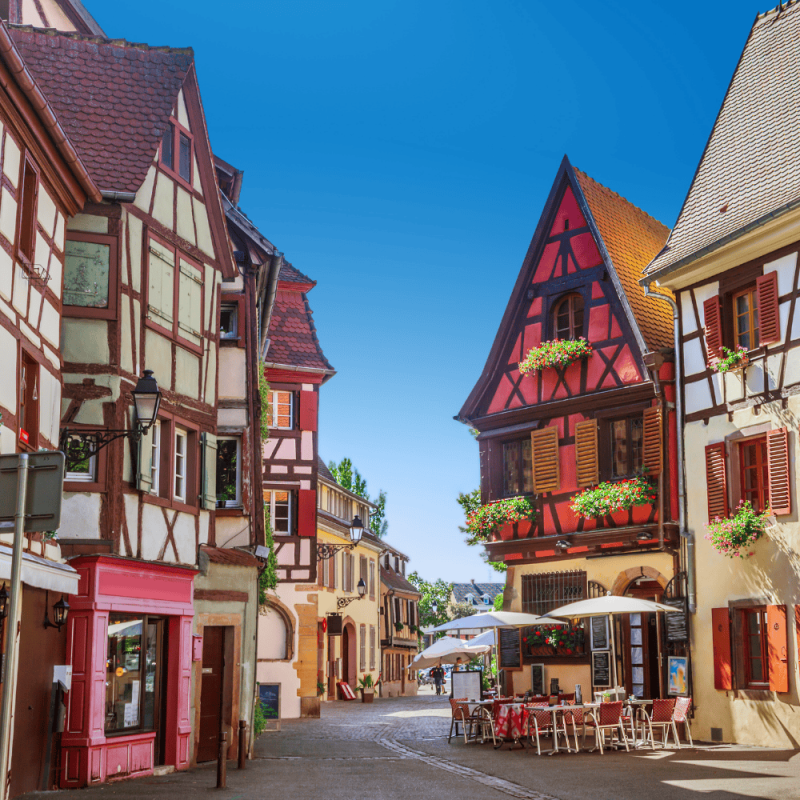
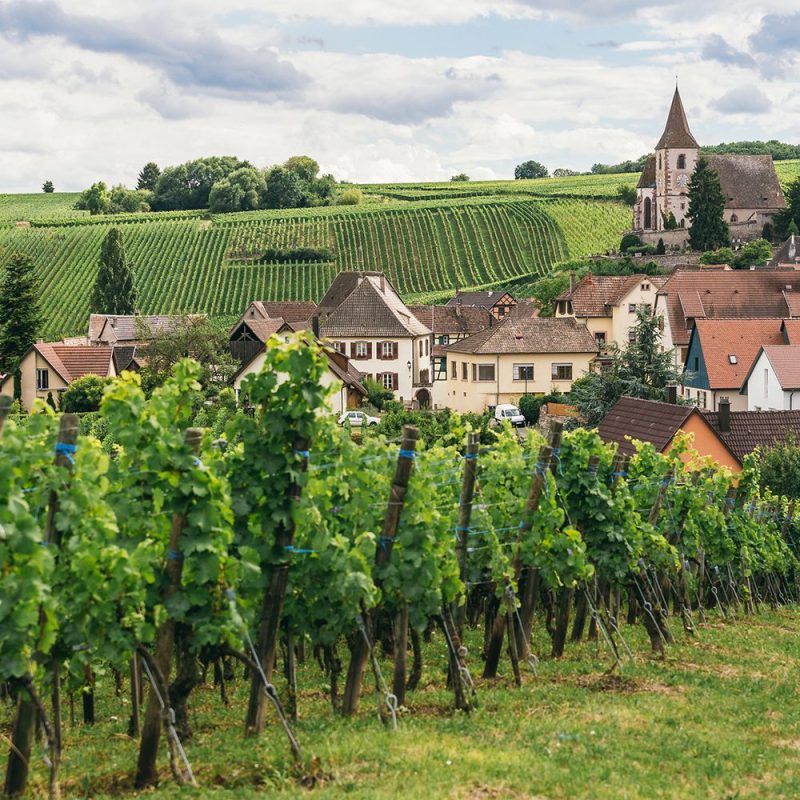
Grand Est’s towns are defined by craft traditions and long-established routines. Half-timbered houses, stone cellars, and village squares reflect lives shaped by seasonality and local production. Culture here is preserved through everyday use rather than reinvention.
A Culture of Precision and Care
Regional life values structure and balance. Food, wine, and social customs emphasize clarity, technique, and consistency. Hospitality is warm but understated, rooted in pride of place rather than performance.
Best Times To Go
Spring (April–June): Mild temperatures and vineyard landscapes coming back to life, ideal for wine regions and historic towns.
Autumn (September–October): Harvest season in Alsace and Champagne, with markets, wine activity, and a slower, focused pace.
Winter: Particularly rewarding for travelers interested in seasonal traditions, including Christmas markets and regional cuisine.
Where to Stay
Accommodations range from boutique hotels in historic town centers to vineyard estates and countryside guesthouses. Staying along wine routes offers immersion in regional life, while town-based lodging provides walkable access to markets, cafés, and cultural sites.
What To Taste
Choucroute garnie: A hearty Alsatian dish of fermented cabbage served with sausages and cured meats, reflecting the region’s Germanic influence and preservation traditions.
Quiche Lorraine: A baked custard of eggs, cream, and smoked pork set in pastry, emblematic of Lorraine’s simple, technique-driven cooking.
Discover Our Ready to Book Collection
See all of our ready-to-book Encounters for this region.
France
French Culinary Capitals
DURATION: 10 DAYS / 9 NIGHTS
PRICING: STARTING AT $12,000/PER PERSON
France
French Culinary Capitals
DURATION: 10 DAYS / 9 NIGHTS
PRICING: STARTING AT $12,000/PER PERSON