Private culinary & cultural travel
Crete, Greece
A mountainous island rising sharply from the Libyan and Aegean seas, where Venetian harbors, olive groves, and Bronze Age ruins sit beneath some of the Mediterranean’s clearest skies.
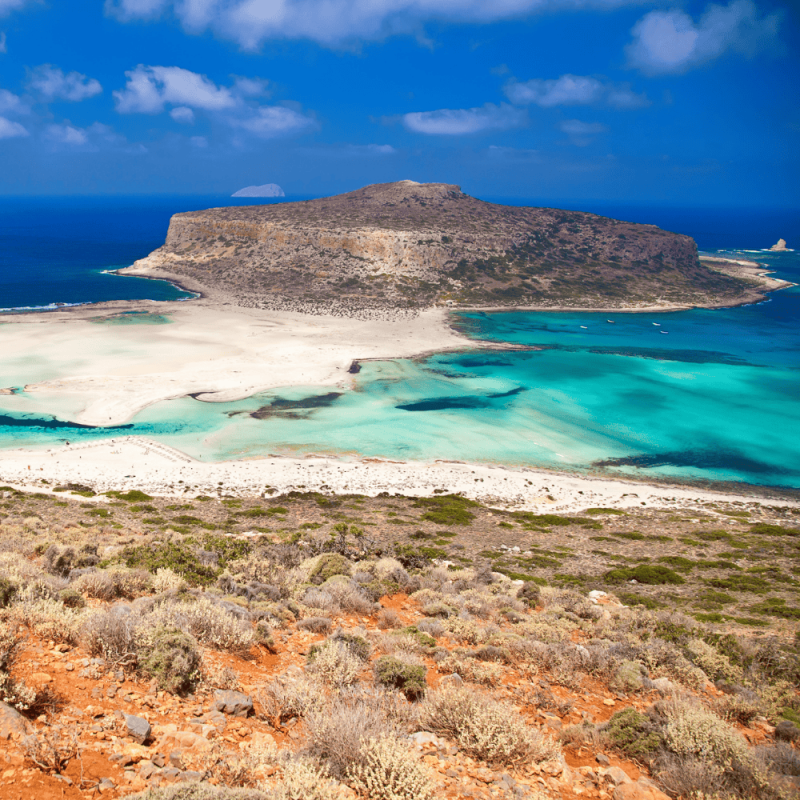
Crete lies at the southern edge of the Aegean Sea, forming Greece’s largest island and a geographic bridge between Europe, Africa, and the Middle East. Anchored by cities such as Chania and Heraklion, the island’s terrain shifts dramatically from rugged mountain ranges to fertile plains and secluded beaches.
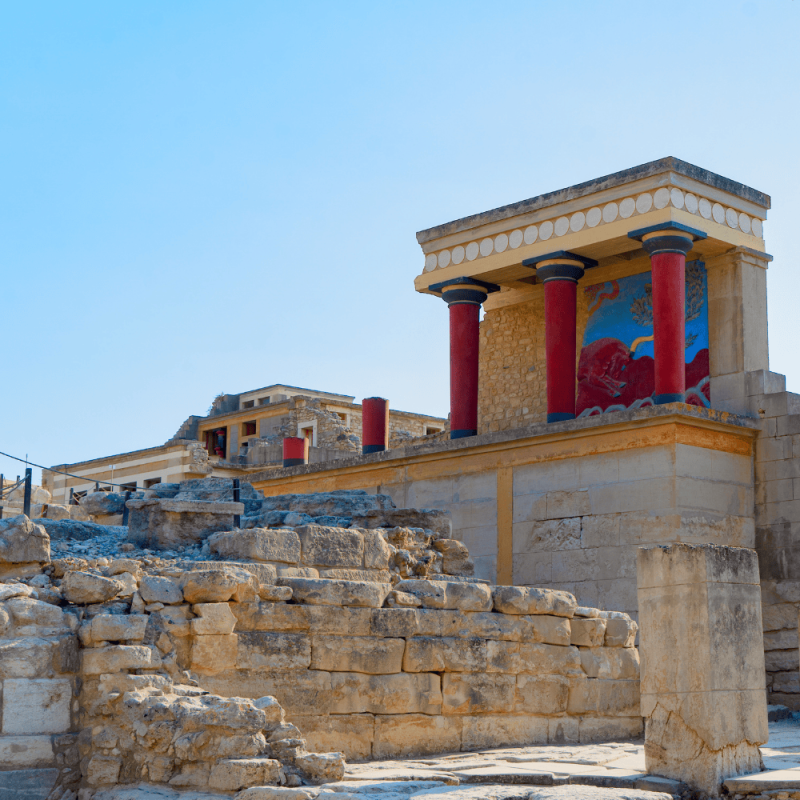
Minoan Foundations at Knossos
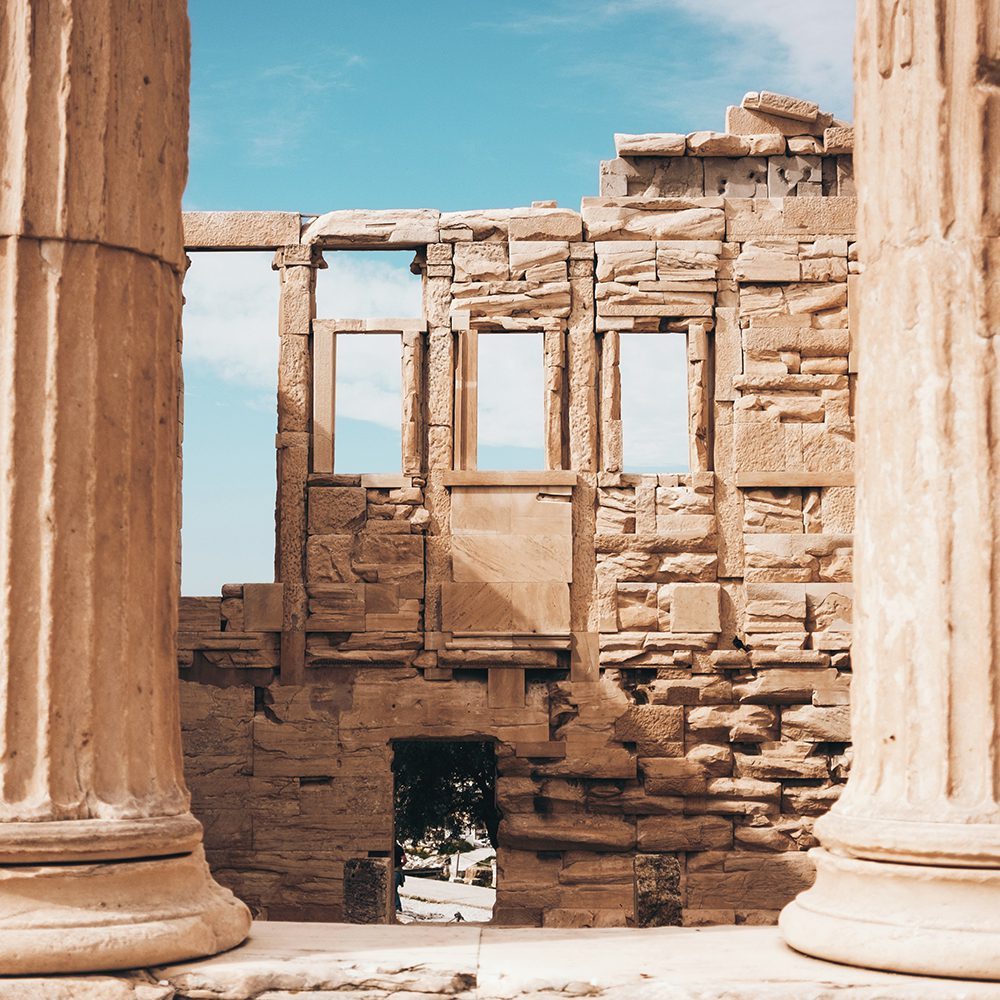
The Palace of Knossos near Heraklion stands as the most significant Bronze Age archaeological site in Greece. Associated with the Minoan civilization, it anchors Crete’s identity as the cradle of one of Europe’s earliest advanced societies. The site’s scale and complexity distinguish the island from mainland regions rooted primarily in Classical Greece.
Venetian Harbors and Maritime Layers
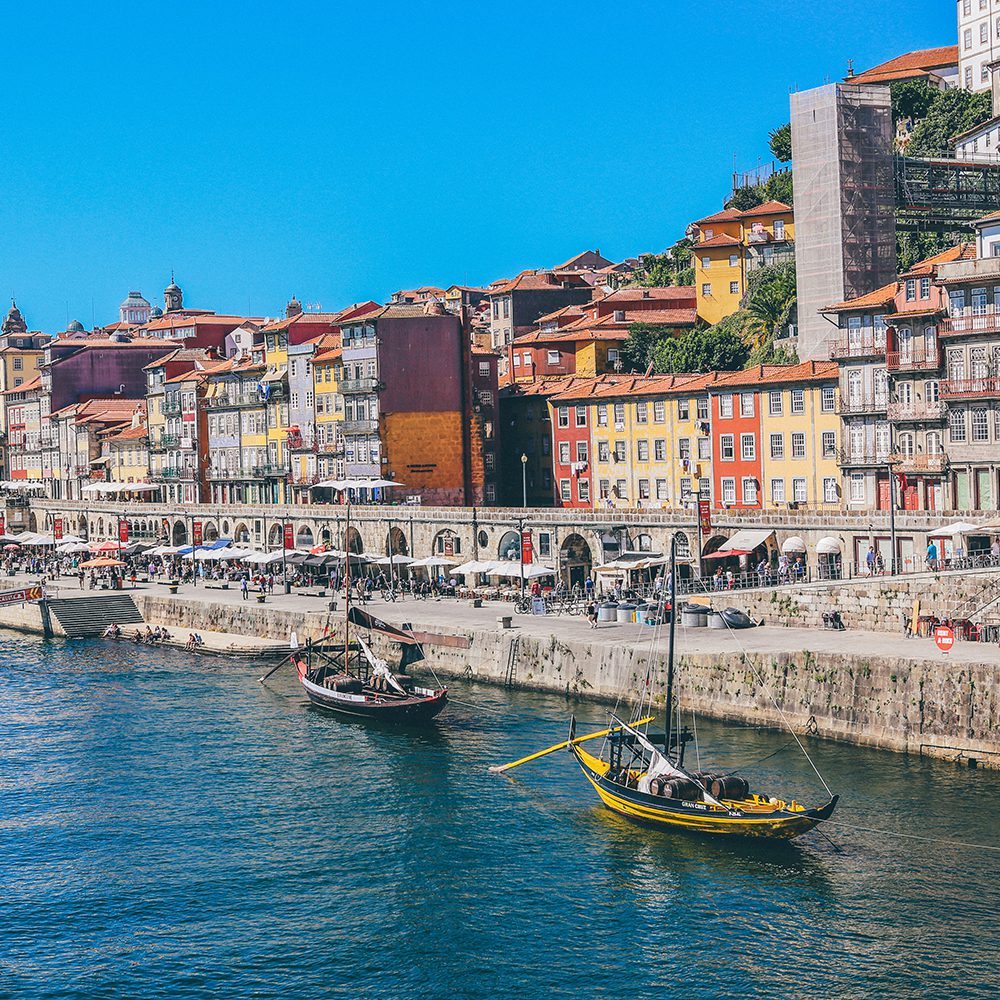
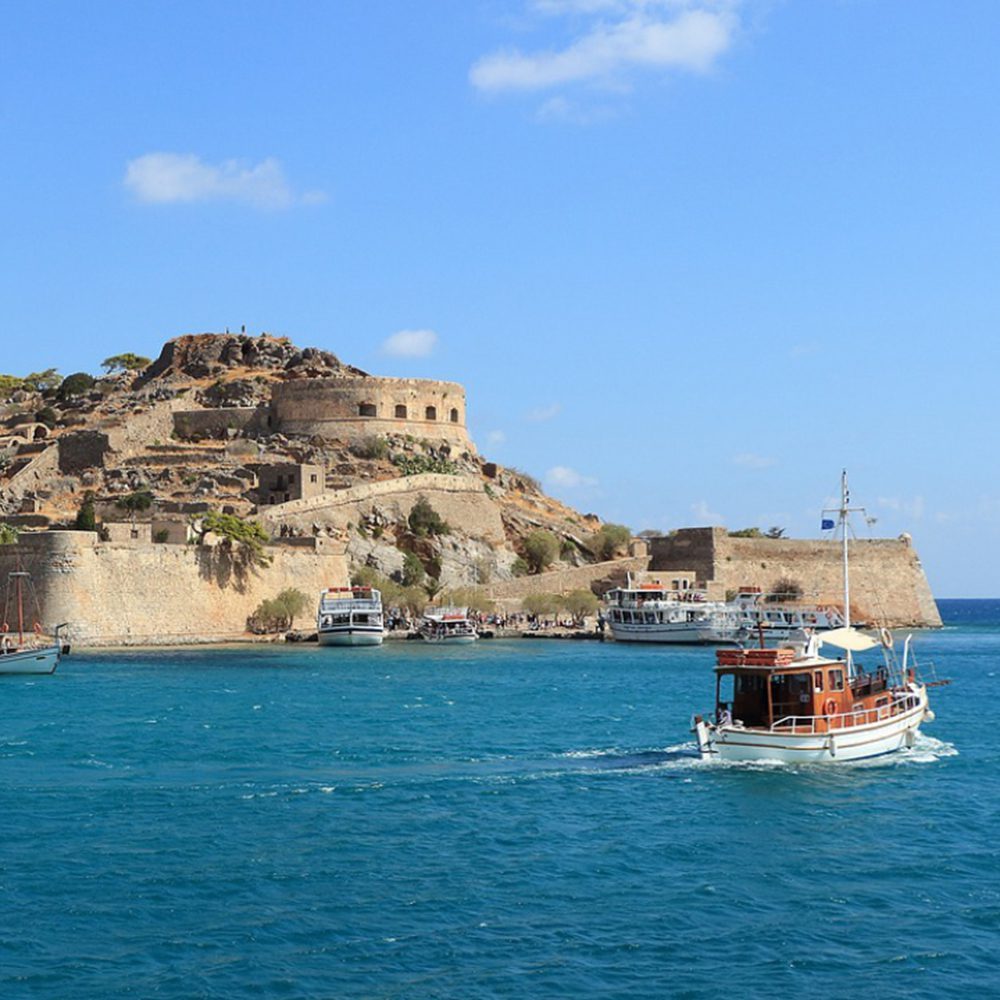
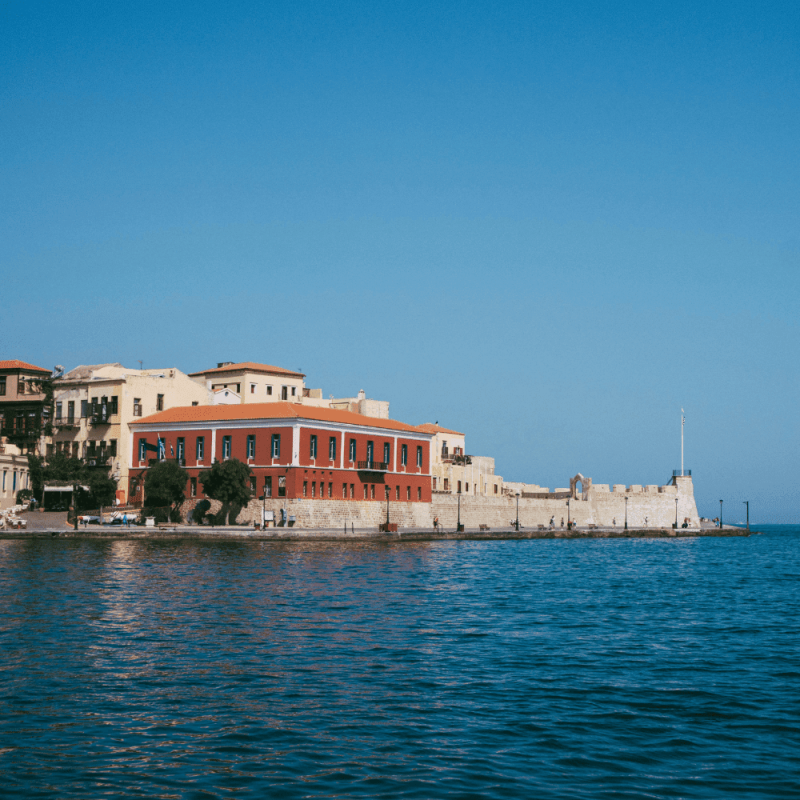
Chania’s old town and harbor reflect centuries of Venetian presence, with arched loggias, narrow lanes, and a restored lighthouse overlooking the sea. Coastal towns across the island retain visible layers of Byzantine, Venetian, and Ottoman architecture, reinforcing Crete’s long history as a maritime crossroads.
Mountain Villages and Olive Culture
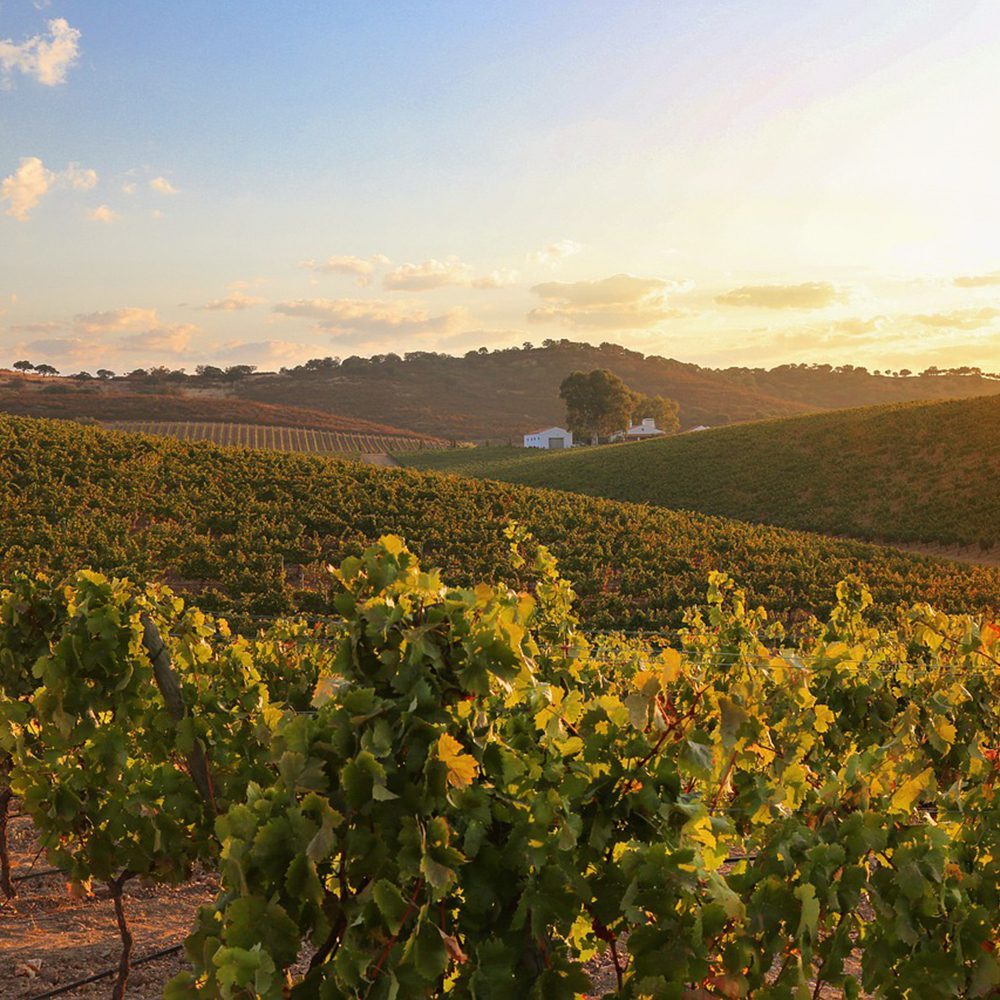
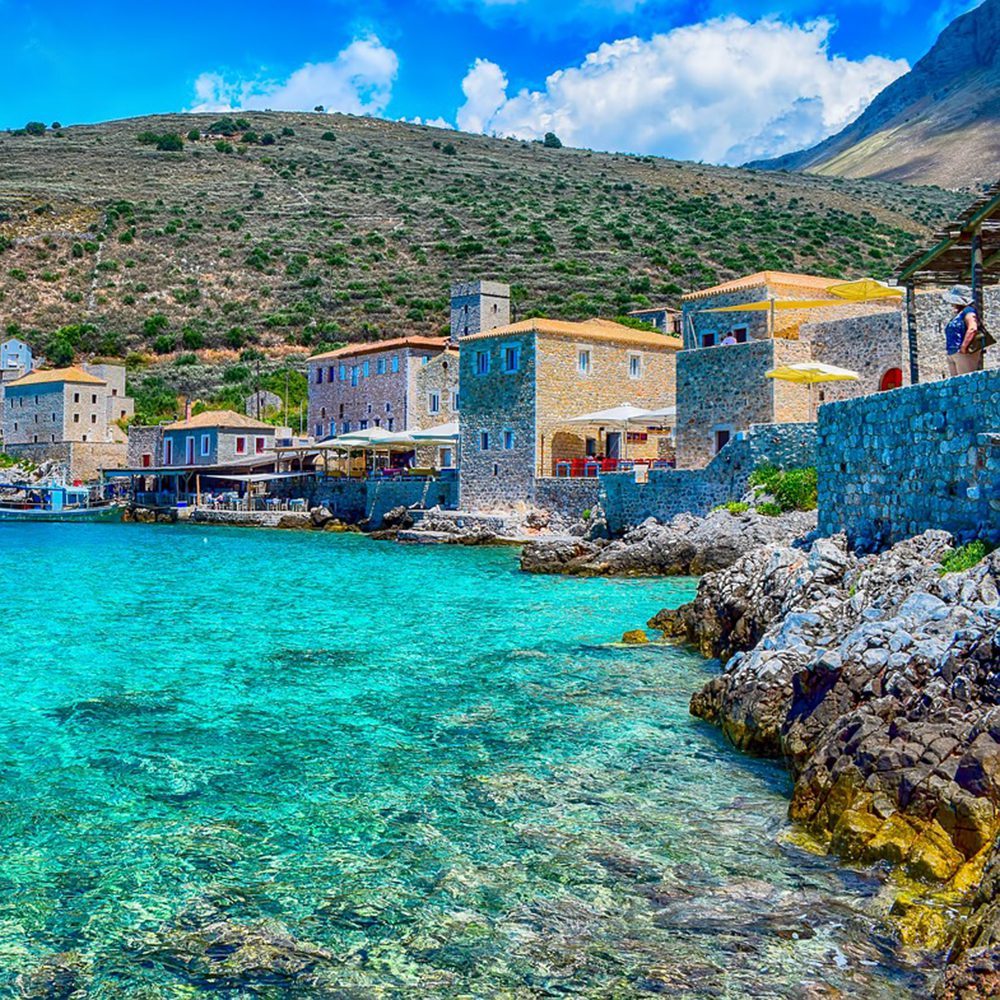
Much of Crete’s identity lies inland. The White Mountains and rugged interior shelter small villages where olive cultivation remains central to daily life. Terraced groves, shepherding traditions, and seasonal harvest rhythms shape a food culture built on agricultural continuity rather than urban density.
Best Times To Go
Late Spring (May–June): Warm sea temperatures, wildflowers in the mountains, and ideal conditions for exploring Chania and inland villages before peak summer heat.
Early Autumn (September–October): Stable weather, grape and olive harvest activity, and comfortable temperatures across both coast and interior.
Where to Stay
Stays range from restored Venetian townhouses in Chania’s old harbor to countryside estates surrounded by olive groves and mountain views. Coastal accommodations emphasize proximity to the sea, while inland retreats immerse travelers in Crete’s agricultural and village-based traditions.
What To Taste
Dakos: A barley rusk topped with crushed tomatoes, local mizithra cheese, olive oil, and oregano, reflecting Crete’s reliance on wheat, dairy, and olive cultivation.
Antikristo Lamb: Lamb slow-roasted over open flame in the mountains, seasoned simply with salt, emblematic of Crete’s pastoral and shepherding heritage.
Discover Our Ready to Book Collection
See all of our ready-to-book Encounters for this region.
Greece
Greek Islands Escape
DURATION: 10 DAYS / 9 NIGHTS
PRICING: STARTING AT $14,500/PER PERSON
Greece
Greek Islands Escape
DURATION: 10 DAYS / 9 NIGHTS
PRICING: STARTING AT $14,500/PER PERSON