Private Culinary & Cultural Travel
Alentejo, Portugal
A vast southern landscape of cork oak forests, whitewashed hill towns, and sun-warmed plains stretching between Lisbon and the Algarve.
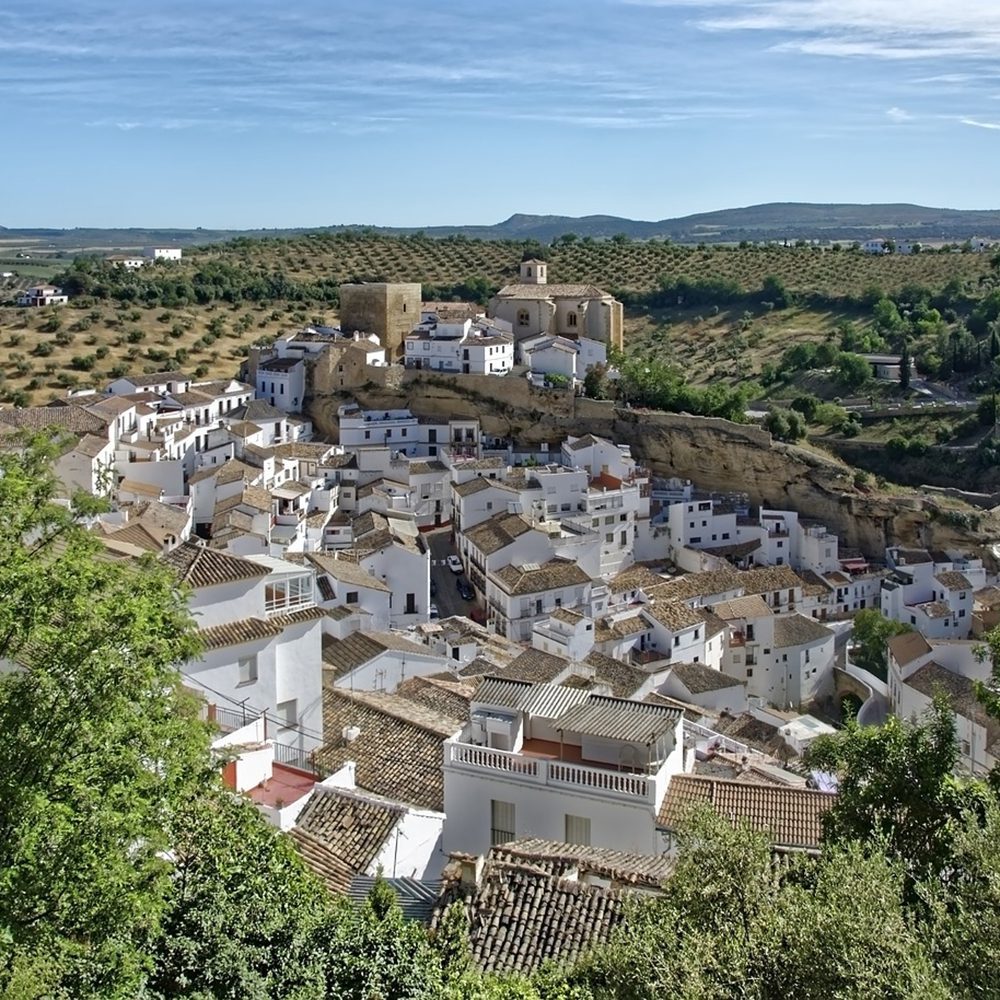
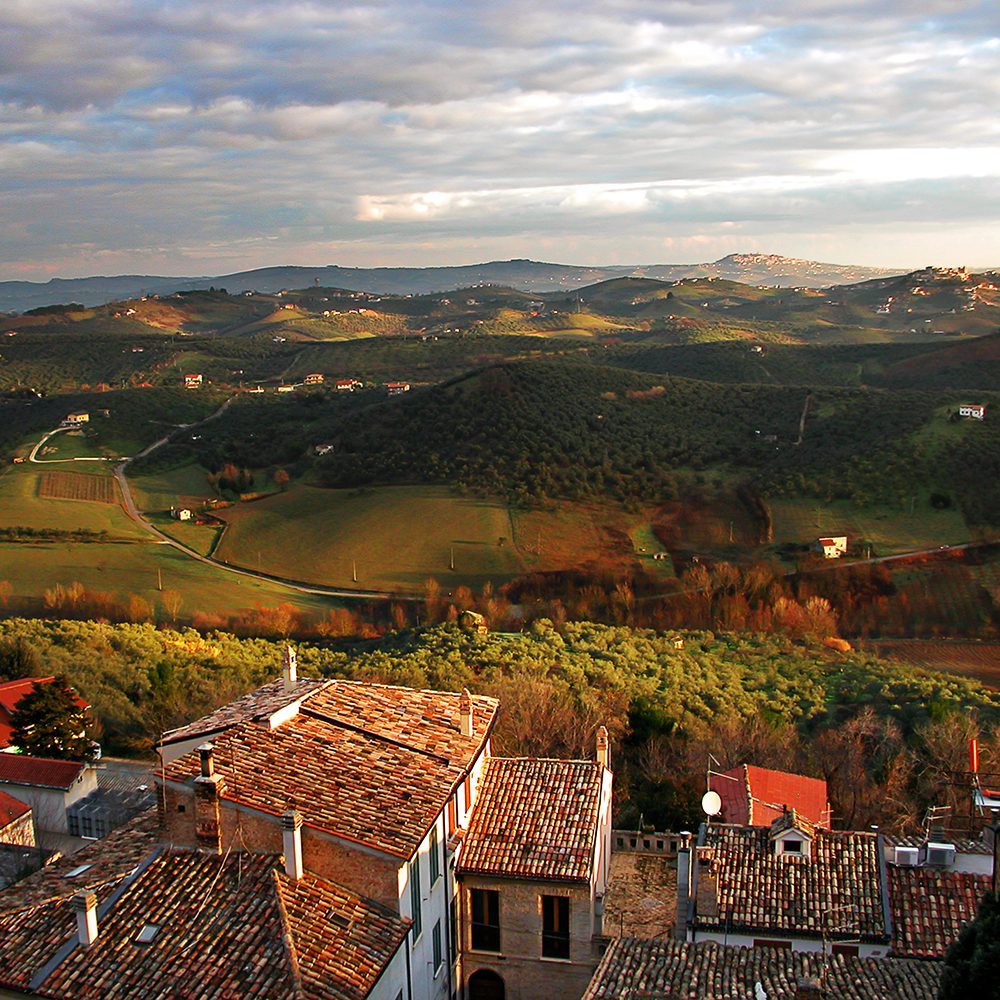
Alentejo occupies nearly one-third of Portugal’s territory, extending south of Lisbon to the Algarve and east toward the Spanish border. Anchored by historic towns such as Évora and Monsaraz, the region is defined by open plains, cork oak forests, olive groves, and fortified hilltop settlements. Unlike Portugal’s more densely urbanized north, Alentejo moves at a slower agricultural rhythm, shaped by land stewardship, Roman foundations, and rural continuity.


Hilltop Towns and Roman Foundations
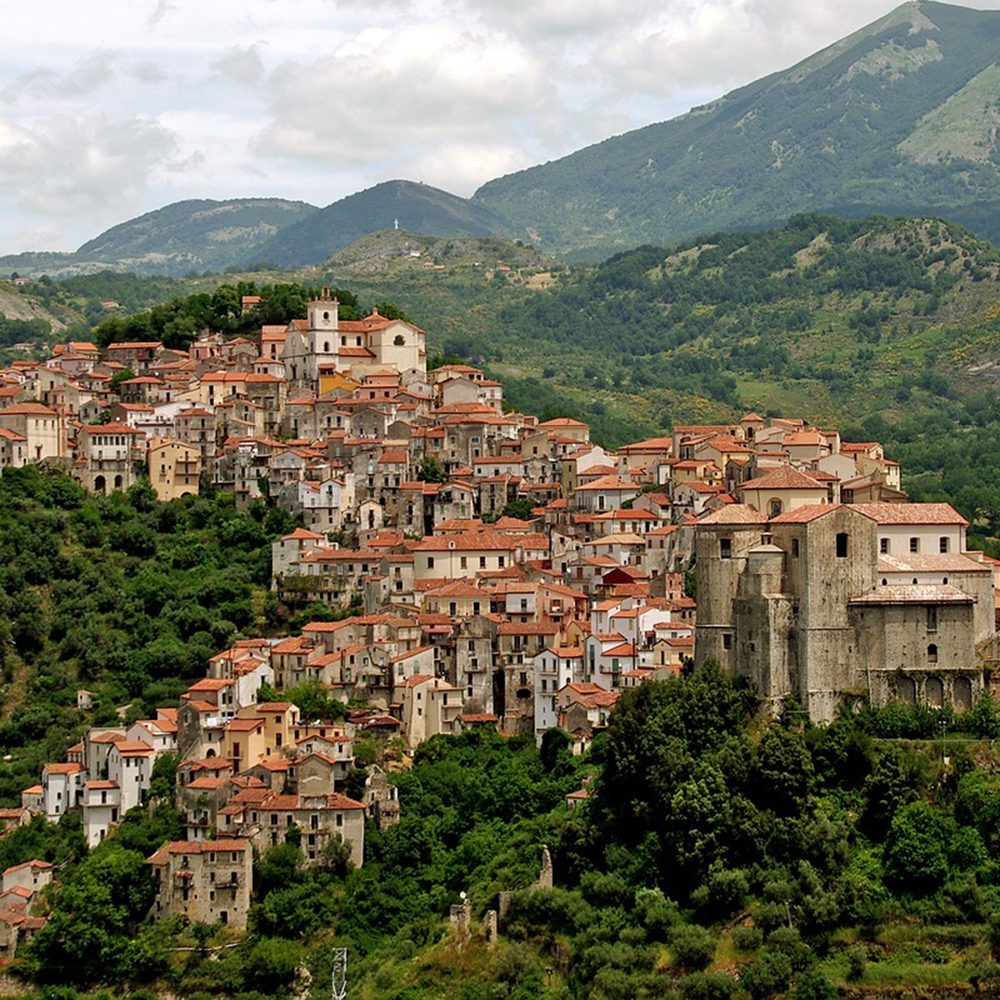
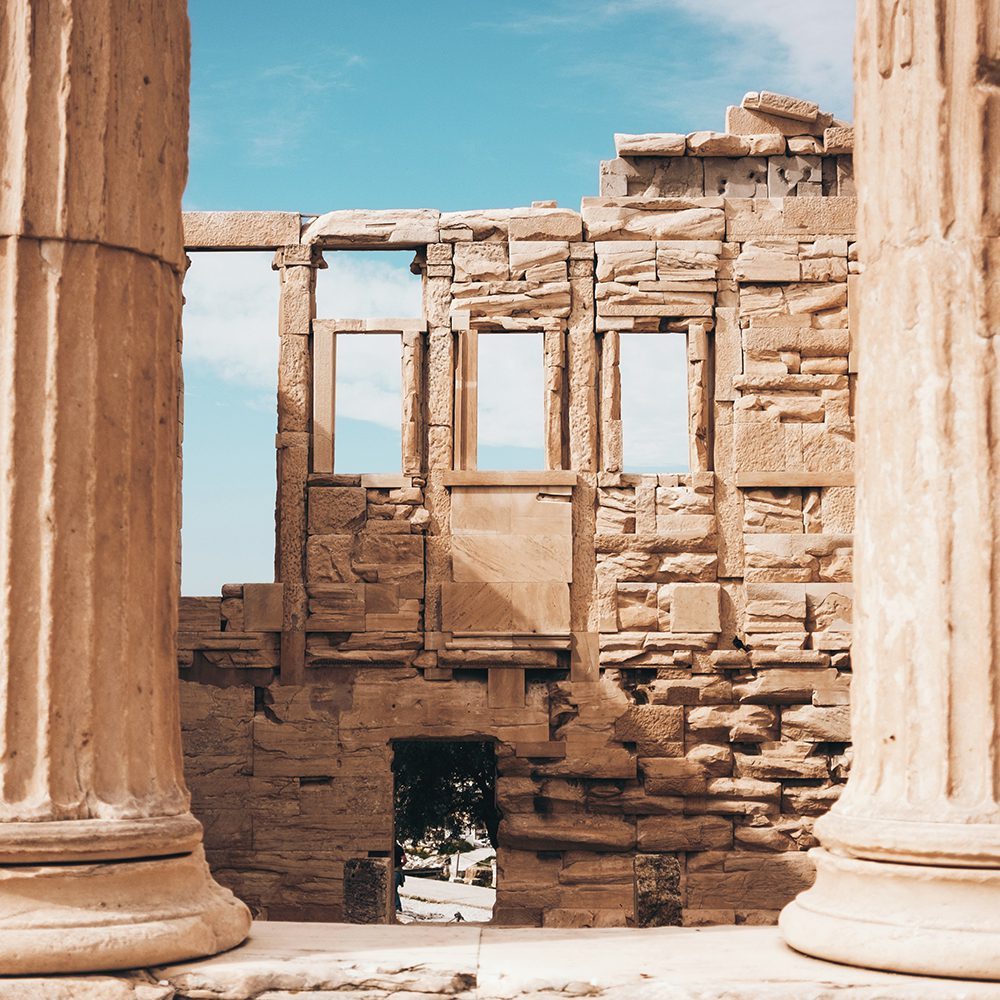
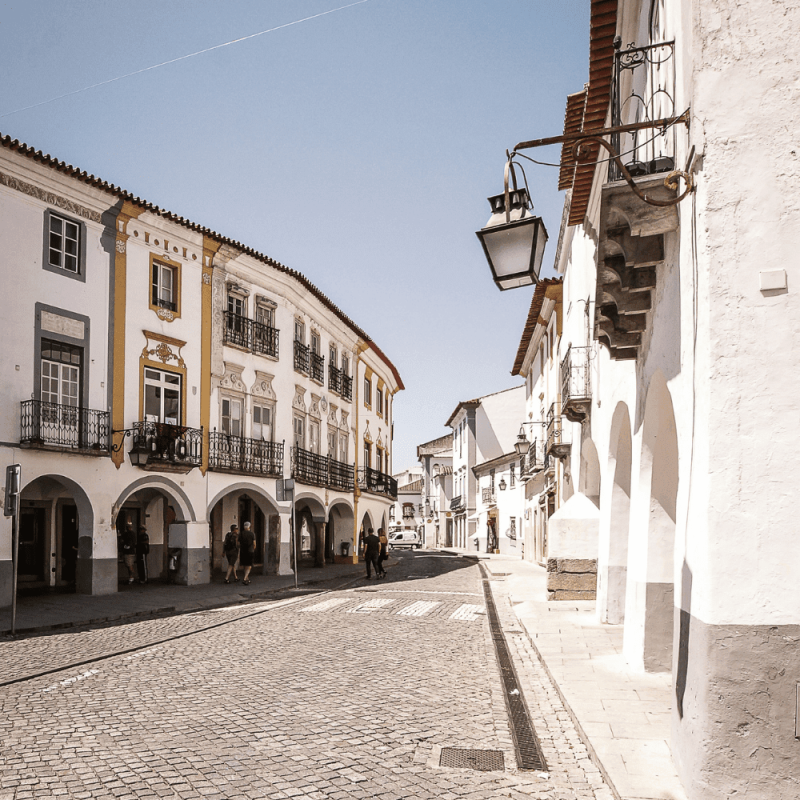
Évora’s Roman temple and cathedral anchor one of Portugal’s most intact historic centers, while smaller towns like Monsaraz sit high above the Alqueva reservoir. These elevated settlements reflect centuries of defensive planning and agricultural oversight across wide plains.
Cork Oak and Olive Landscapes
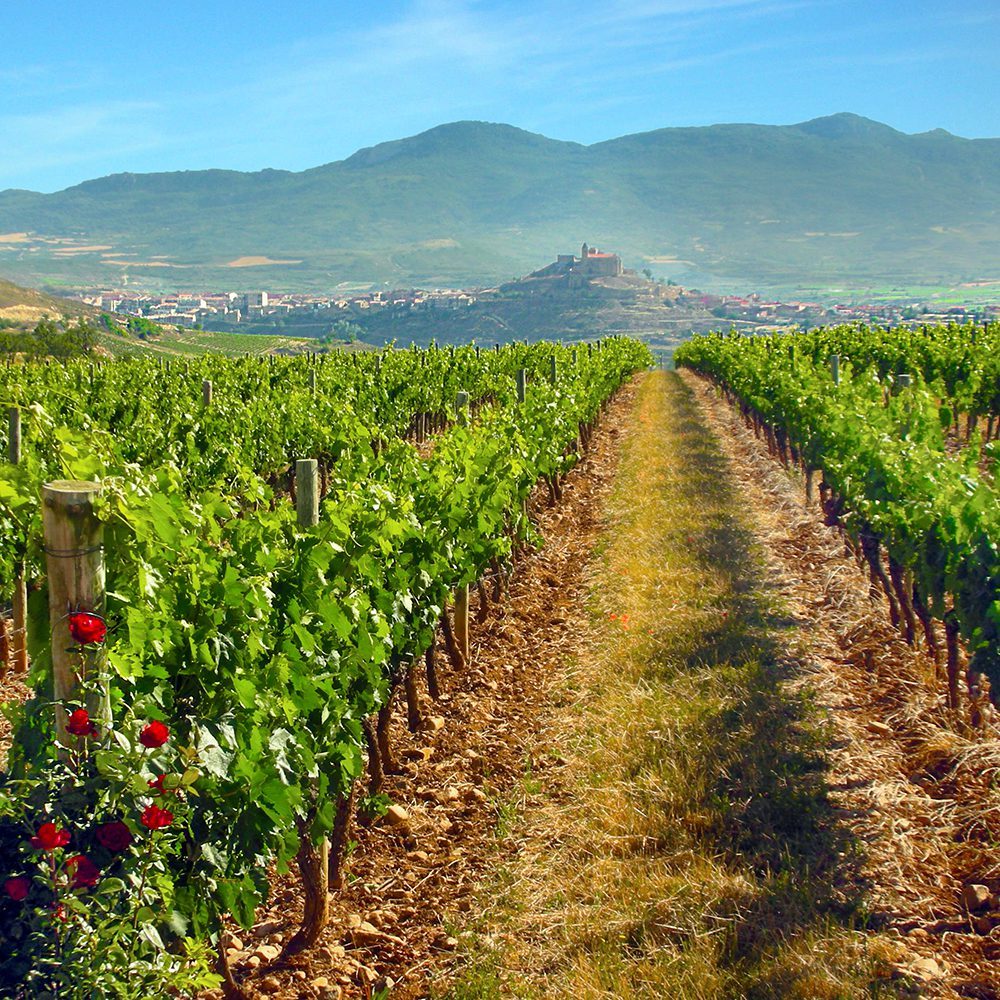
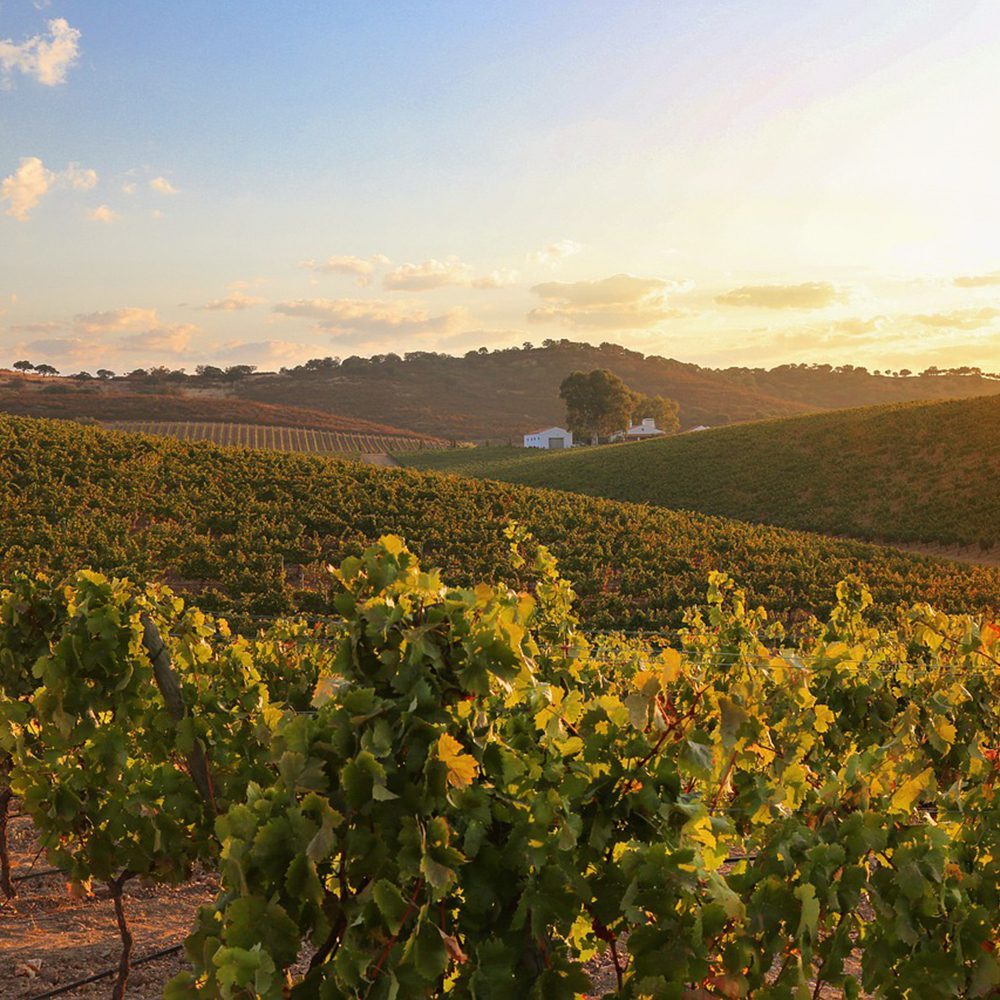
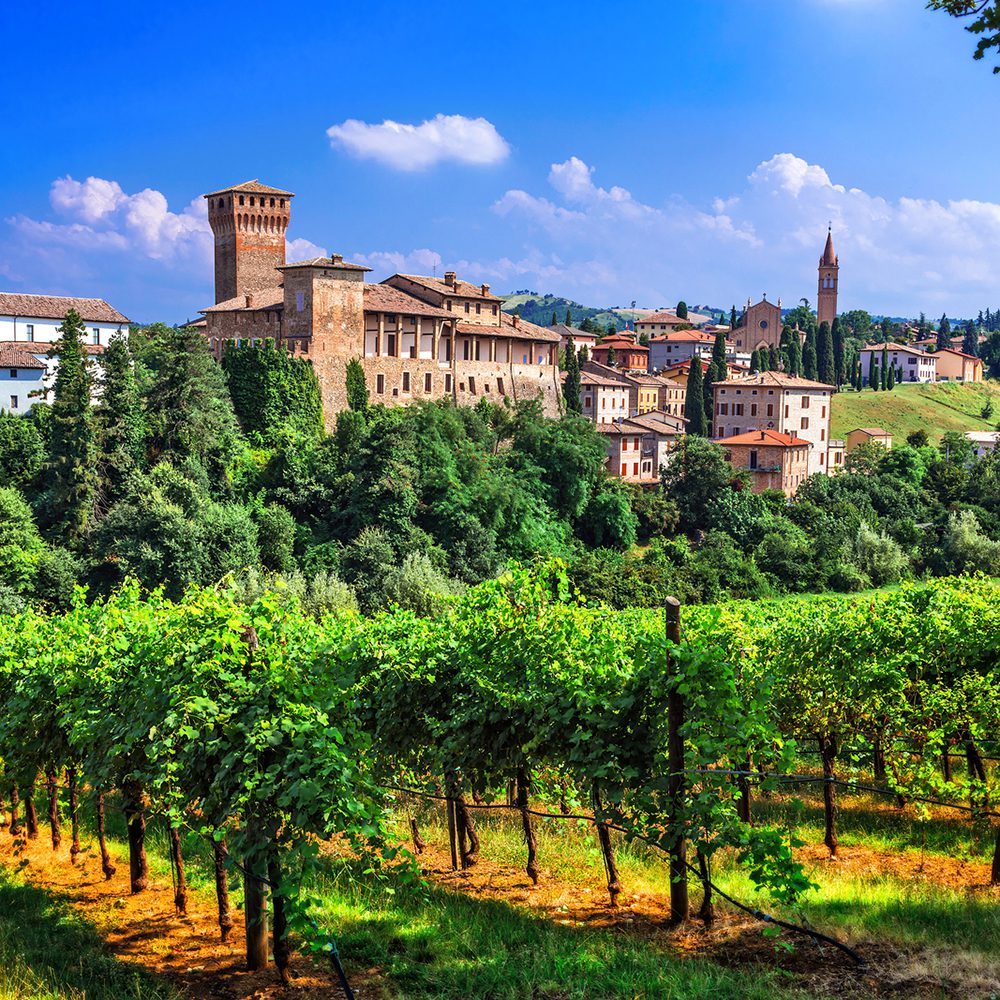
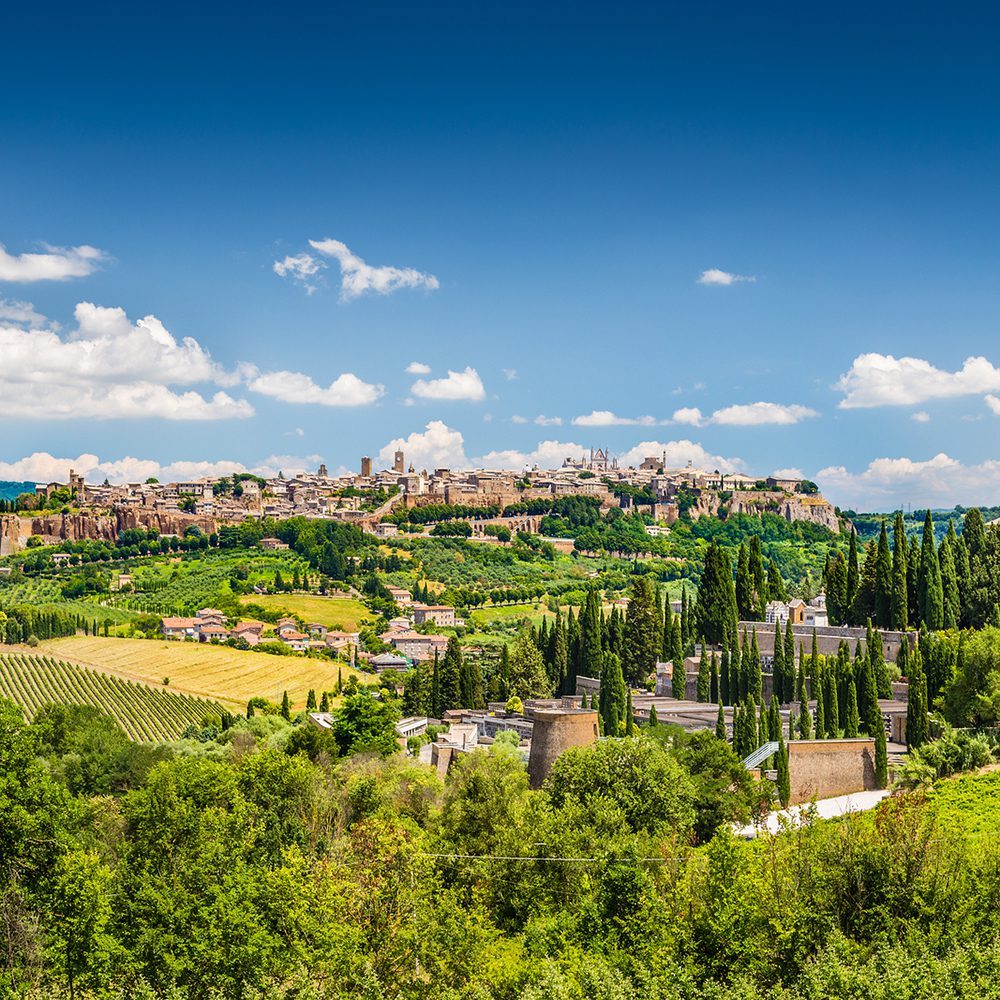
Alentejo produces the majority of the world’s cork, and cork oak forests define the region’s ecology. Olive groves and vineyards stretch across gently rolling terrain, reinforcing a landscape that is cultivated yet expansive. The visual identity here is open, sunlit, and structured by land use rather than coastline.
Agricultural Continuity and Culinary Simplicity
Cuisine in Alentejo reflects rural life: bread-based dishes, slow-cooked meats, and olive oil at the center of nearly every preparation. Food culture is rooted in necessity and adaptation to dry conditions rather than coastal abundance.
Best Times To Go
Spring (April–May): Wildflowers across the plains, mild temperatures, and ideal conditions for exploring Évora and countryside estates.
Autumn (September–October): Grape and olive harvest season with warm days and cooler evenings across vineyard landscapes.
Where to Stay
Accommodations range from restored manor estates surrounded by vineyards to boutique stays within Évora’s historic center. Countryside properties emphasize immersion in cork forests and agricultural estates, while town-based lodging provides walkable access to Roman and medieval architecture.
What To Taste
Açorda Alentejana: A rustic bread soup made with garlic, coriander, olive oil, and often topped with a poached egg, reflecting the region’s reliance on wheat and herbs.
Porco Preto: Black Iberian pork raised in oak-dotted pastures, known for its rich flavor and closely tied to Alentejo’s agricultural system.

Discover Our Ready to Book Collection
See all of our ready-to-book Encounters for this region.
Portugal
Flavors of Portugal
DURATION: 10 DAYS / 9 NIGHTS
PRICING: STARTING AT $10,700/PER PERSON
Portugal
Flavors of Portugal
DURATION: 10 DAYS / 9 NIGHTS
PRICING: STARTING AT $10,700/PER PERSON