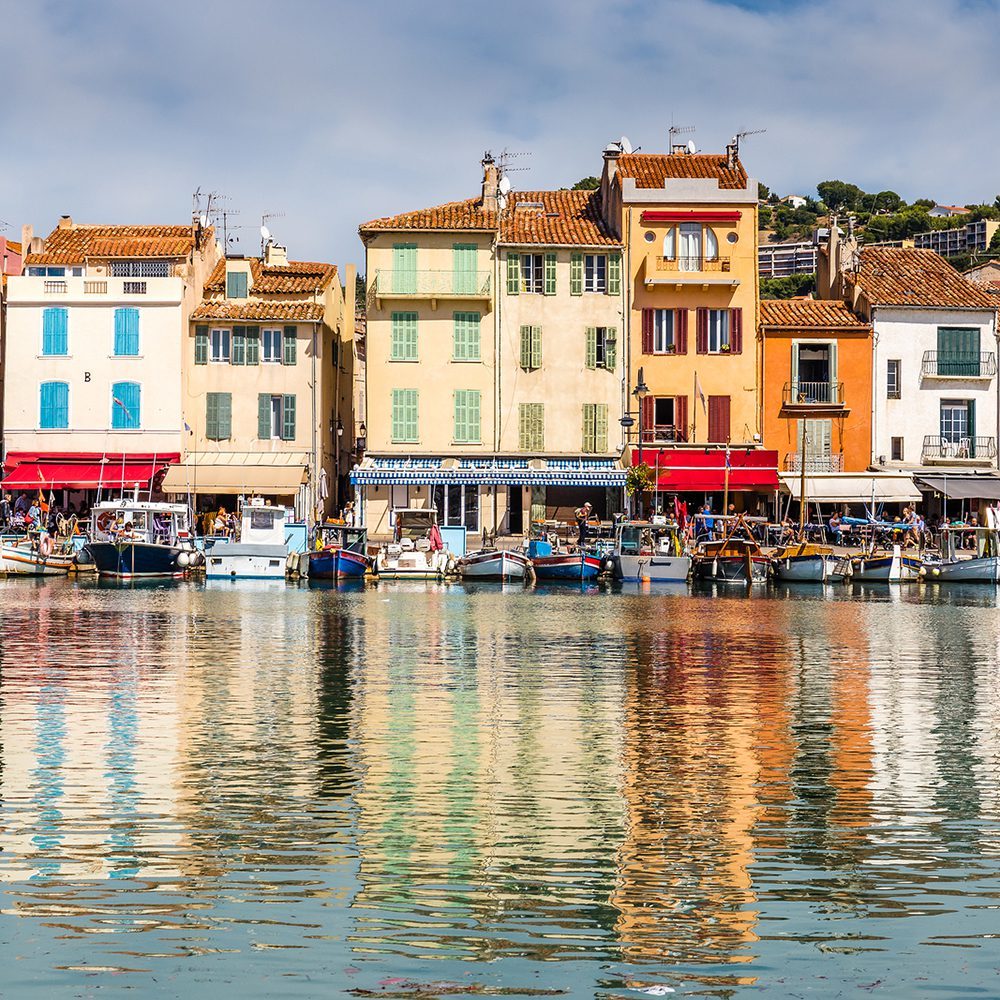
Private Culinary & Cultural Travel
Andalucia, Spain
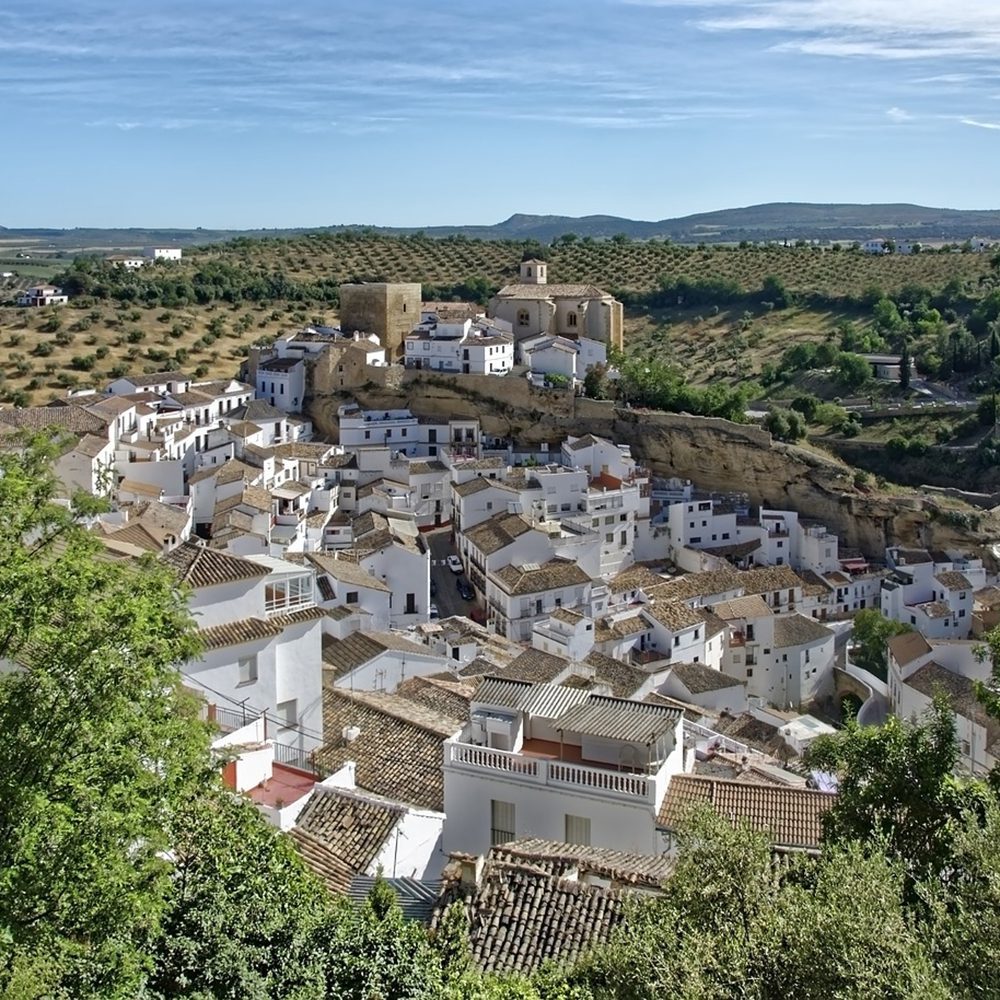
A sun-drenched landscape of olive groves, whitewashed hill towns, and Moorish palaces rising above river valleys, where the Sierra Nevada meets the Atlantic and Mediterranean coasts.
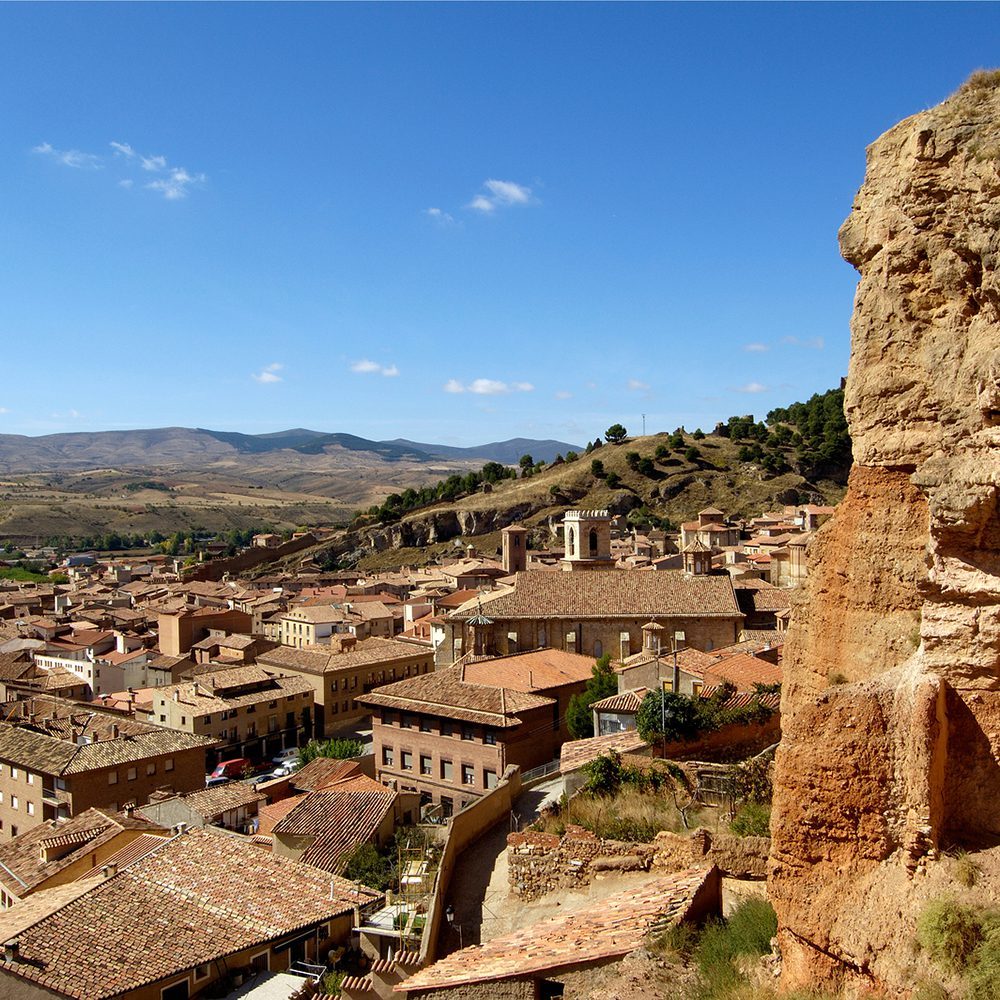
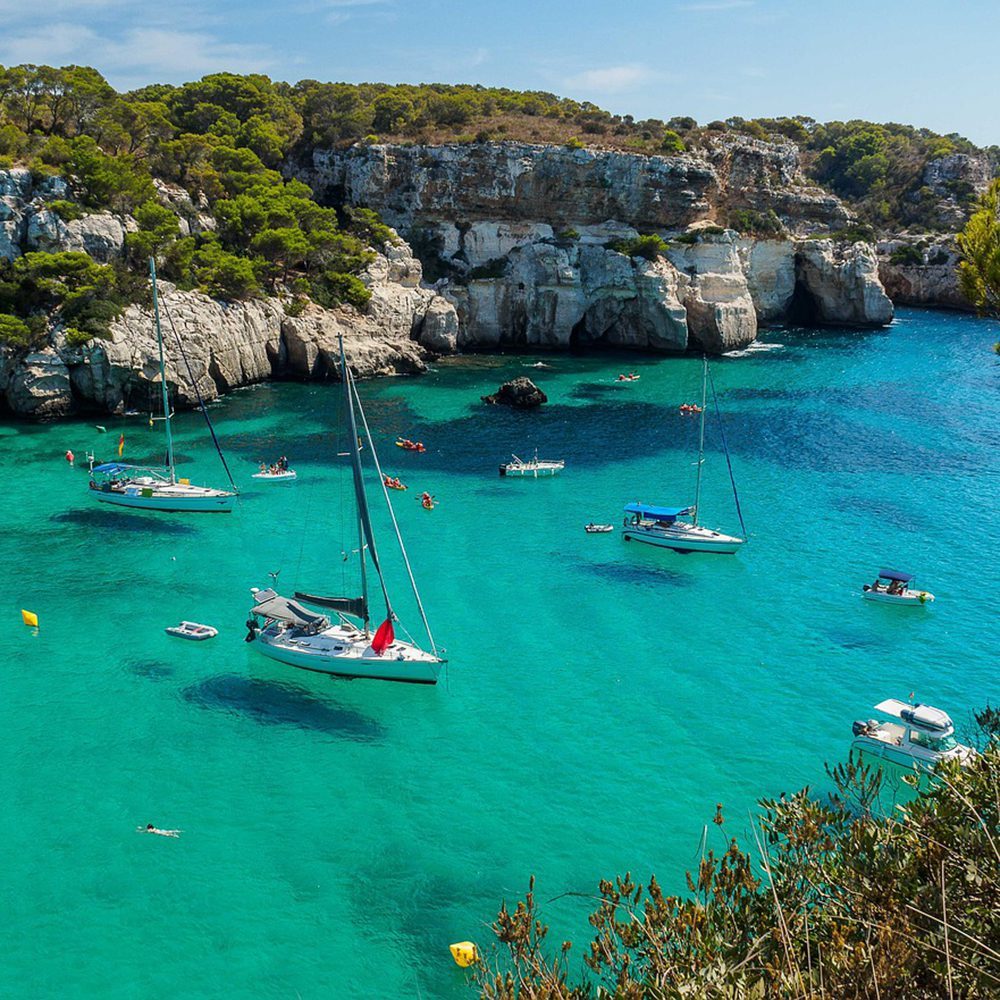
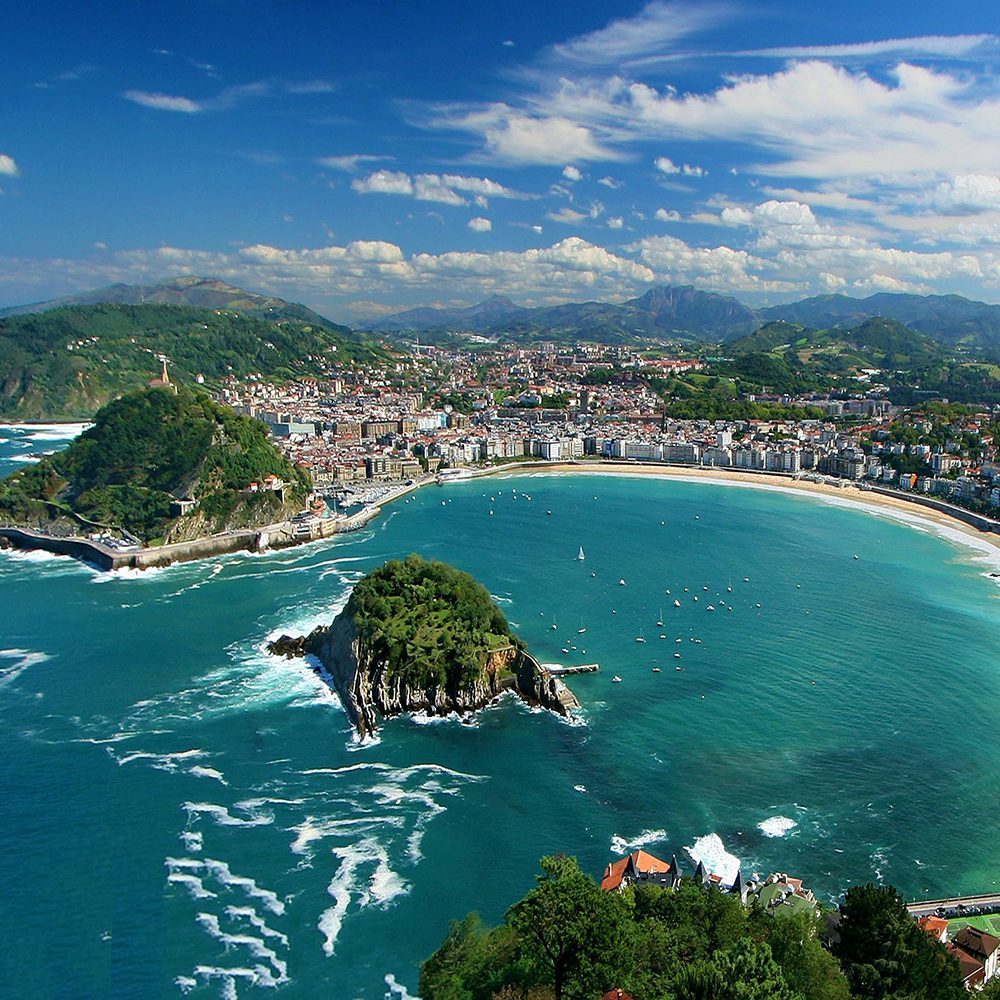
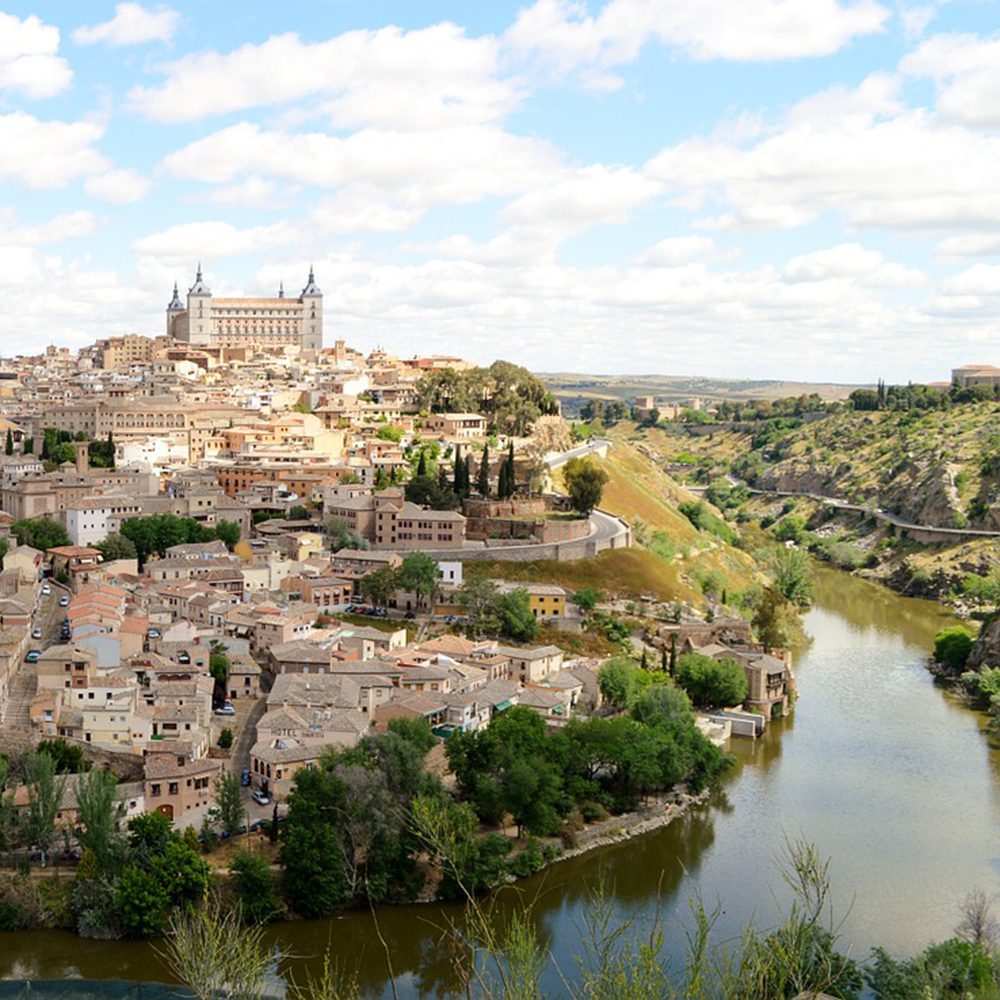
Andalucía occupies Spain’s southernmost expanse, stretching from the Atlantic shores near Cádiz to the Mediterranean coastline of Málaga and Almería, with inland cities like Seville, Granada, and Córdoba anchoring its historic core. Shaped by centuries of Islamic, Jewish, and Christian influence, the region holds some of Spain’s most architecturally significant landmarks, including the Alhambra and the Mezquita. Olive cultivation, flamenco tradition, and maritime trade along two seas have defined Andalucía’s cultural and culinary identity for generations.
Palaces, Courtyards, and Olive Country
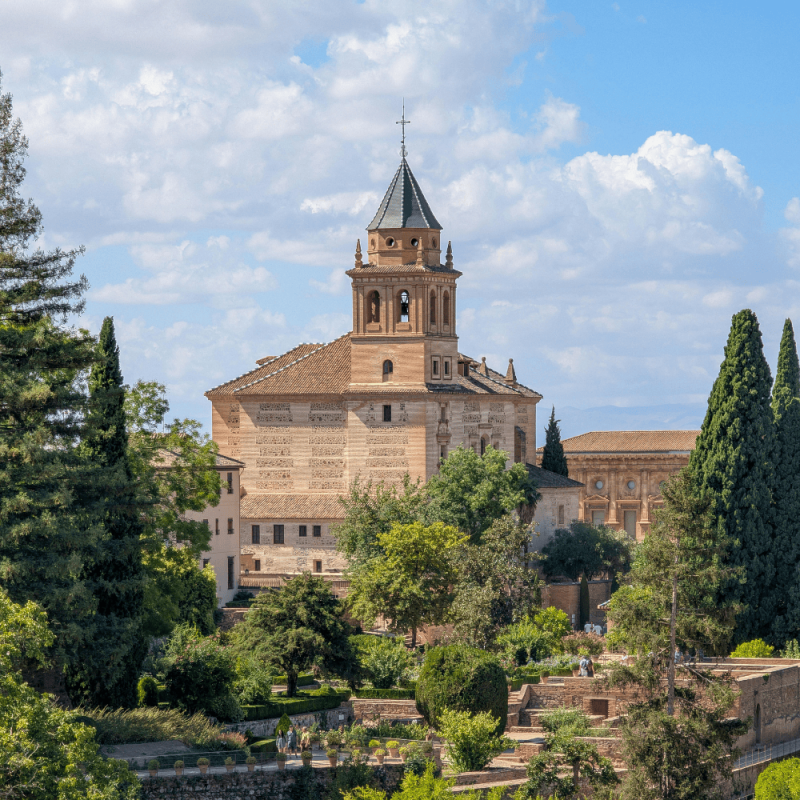
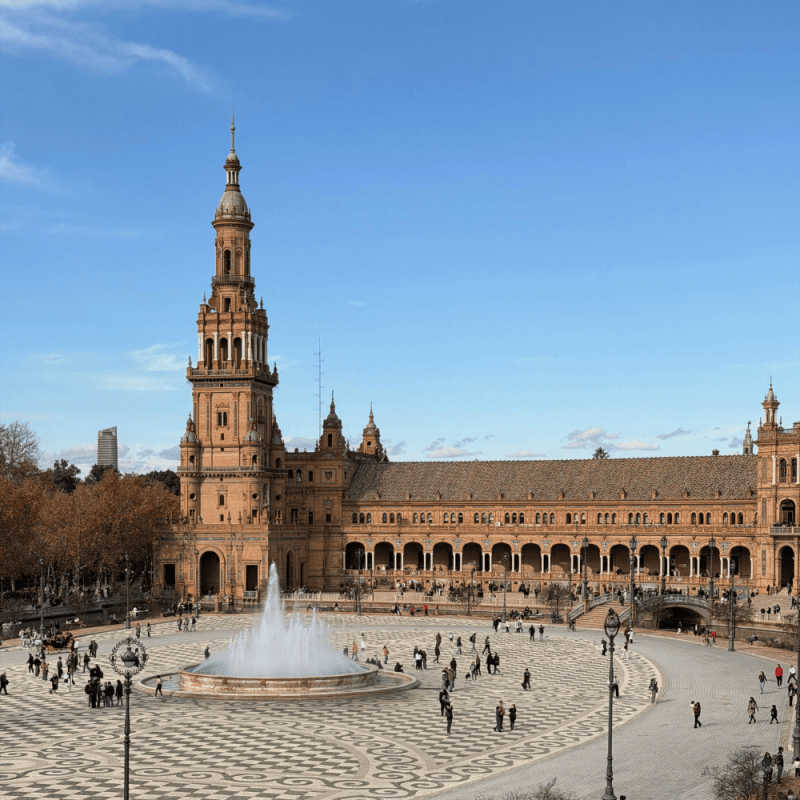
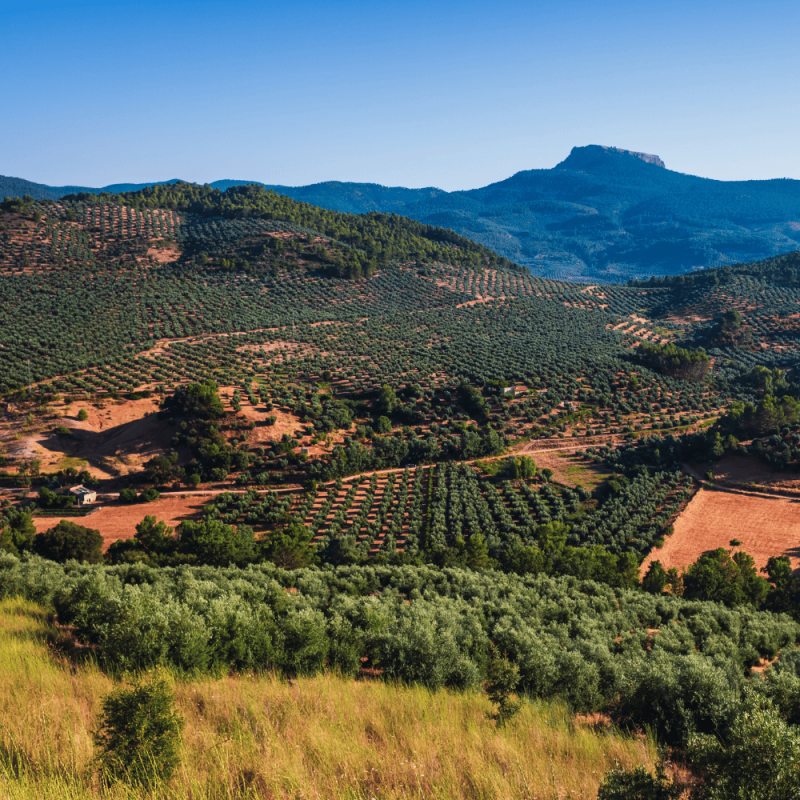
From the geometric gardens of Granada’s Alhambra to Córdoba’s arcaded mosque-cathedral and Seville’s tiled patios, architecture here reflects layered rule and artistic exchange. Beyond the cities, vast olive groves stretch across inland provinces like Jaén and Córdoba, reinforcing Andalucía’s position as one of the world’s leading olive oil producers.
Flamenco and Living Tradition
Flamenco music and dance are not staged relics but active expressions of identity, particularly in Seville and Jerez. Markets, ferias, and neighborhood gatherings sustain traditions through repetition and participation rather than performance alone. Andalucía’s cultural life remains embodied and public.
Heat, Rhythm, and Late Evenings
Daily life adjusts to climate. Midday pauses, extended evening meals, and open-air socializing define the rhythm of the region, especially in warmer months. Time here stretches later into the night, structured around temperature and community rather than the clock.
Best Times To Go
Spring (April–June): Ideal temperatures for exploring Seville, Granada, and Córdoba, with festivals and orange blossoms defining the season.
Autumn (September–October): Warm coastal days and active olive harvests inland, offering balance between sea and countryside.
Where to Stay
Options range from restored palaces and courtyard hotels in historic city centers to rural estates surrounded by olive groves and coastal stays along the Costa del Sol or Cádiz. Urban lodging provides immediate access to architectural landmarks, while countryside properties offer space and immersion in agricultural Andalucía.
What To Taste
Gazpacho: A chilled tomato-based soup blended with olive oil, garlic, and bread, emblematic of Andalucía’s climate and produce.
Jamón Ibérico de Bellota: Acorn-fed cured ham sliced paper-thin, particularly associated with the dehesa landscapes of southern Spain.
Pair This Region With:
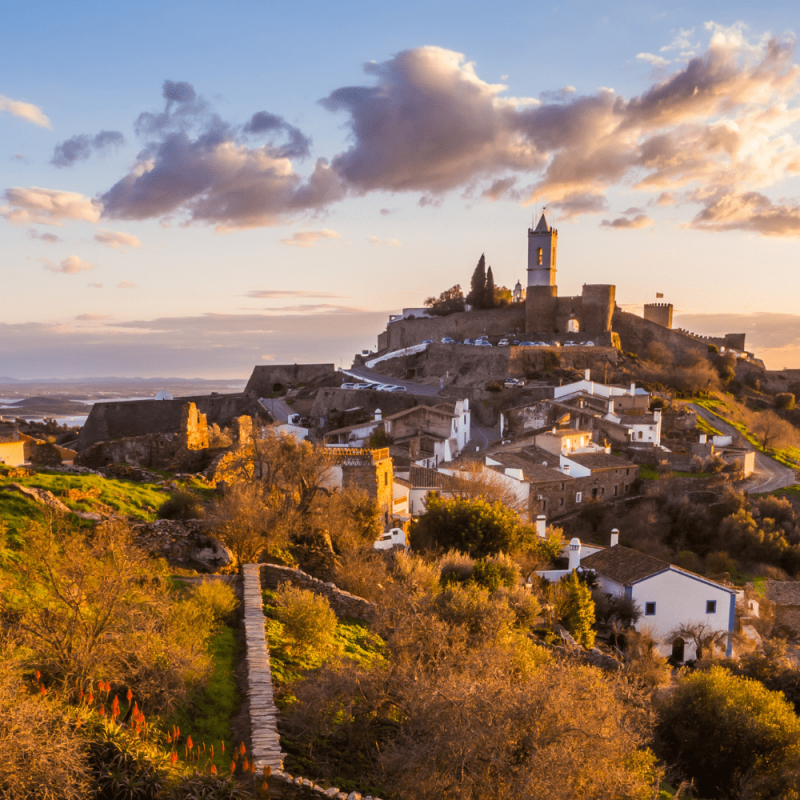
Alentejo
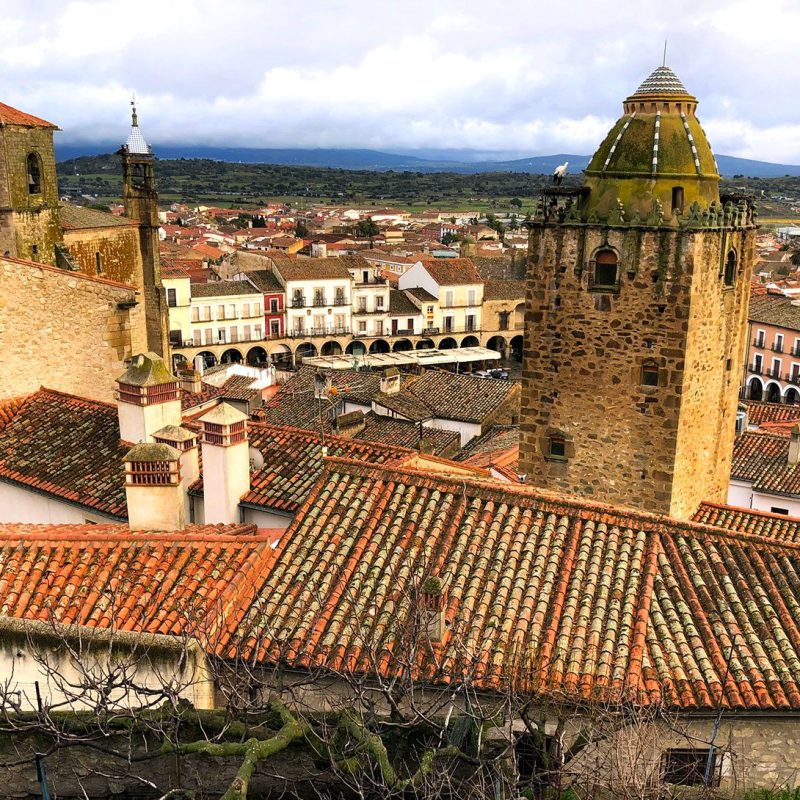
Extremadura
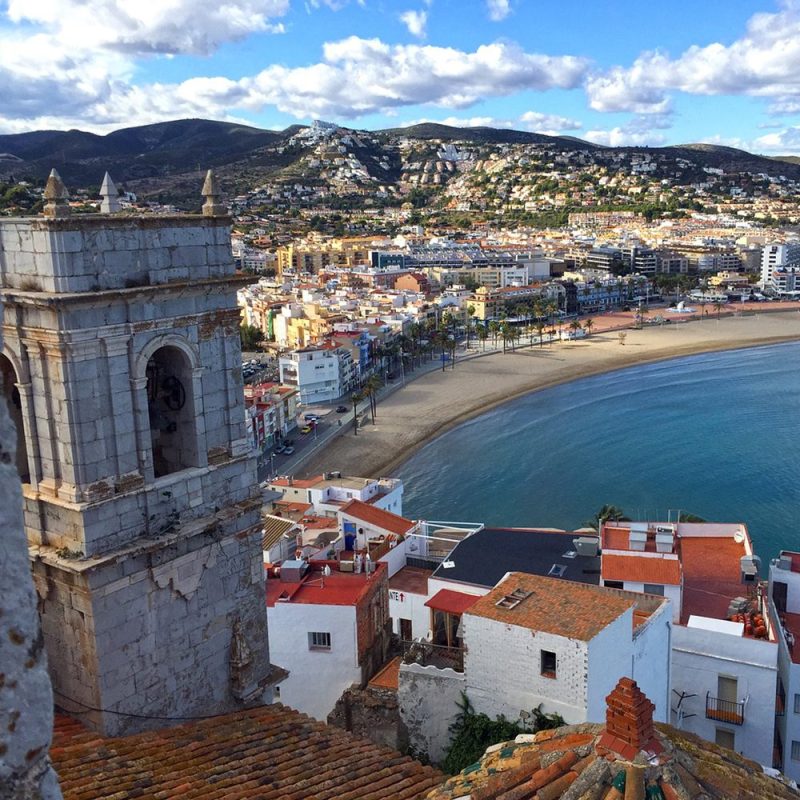
Valencia