Private Culinary & Cultural Travel
Aragon, Spain
A dramatic interior of Pyrenean peaks, high desert plateaus, and river valleys shaped by wind and stone, where medieval towers rise above wide, open land.
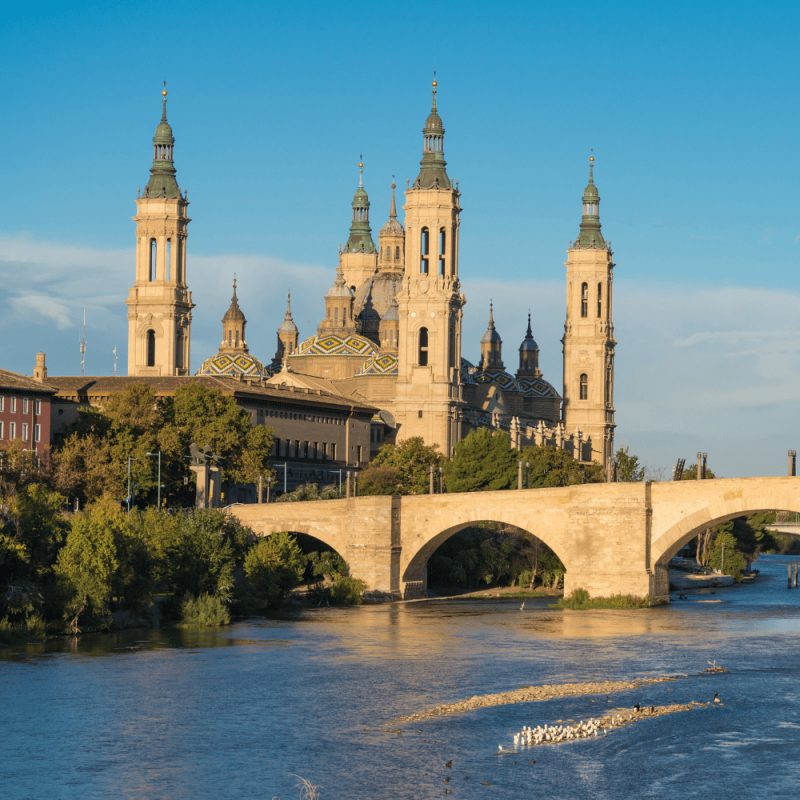
Aragón lies in northeastern Spain between Catalonia and the Basque Country, stretching from the Pyrenees along the French border down through the Ebro River basin. Its capital, Zaragoza, anchors the region with a monumental basilica along the river, while Teruel and Huesca reveal layers of Islamic and Christian architectural exchange. Aragón’s geography shifts dramatically from alpine terrain to arid plains, creating a region defined by altitude, isolation, and strong regional continuity.
From the Pyrenees to the Ebro Plain
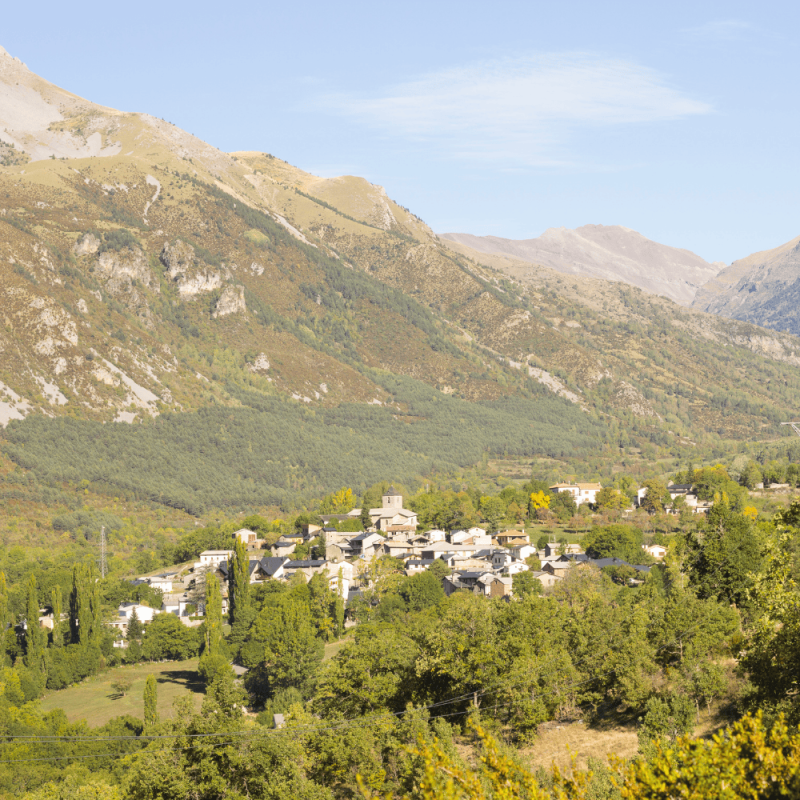
Northern Aragón rises into the Pyrenees, where mountain villages and high-altitude pastures dominate daily life. Moving south, the land opens into dry plains and dramatic natural formations like the Bardenas Reales. The scale and contrast between alpine and semi-desert landscapes shape how communities settle, farm, and build.
Mudéjar Craft and Architectural Identity
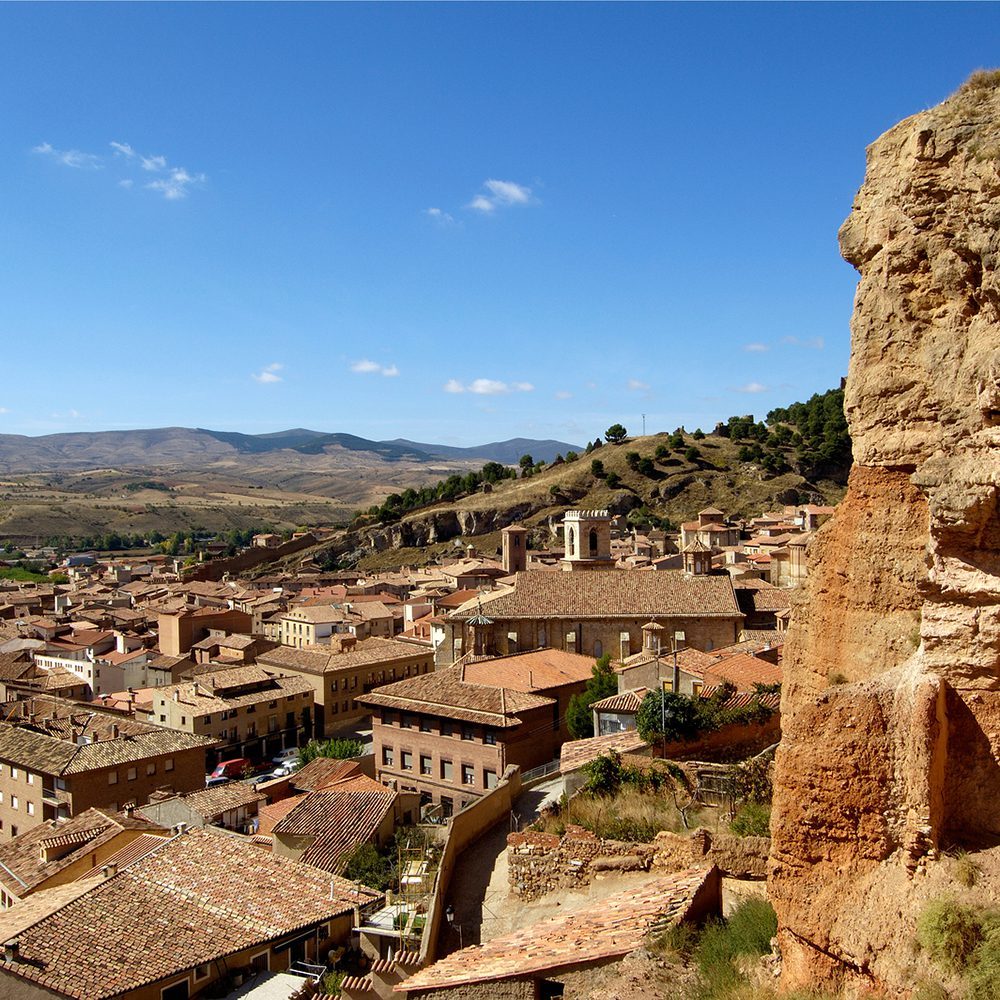
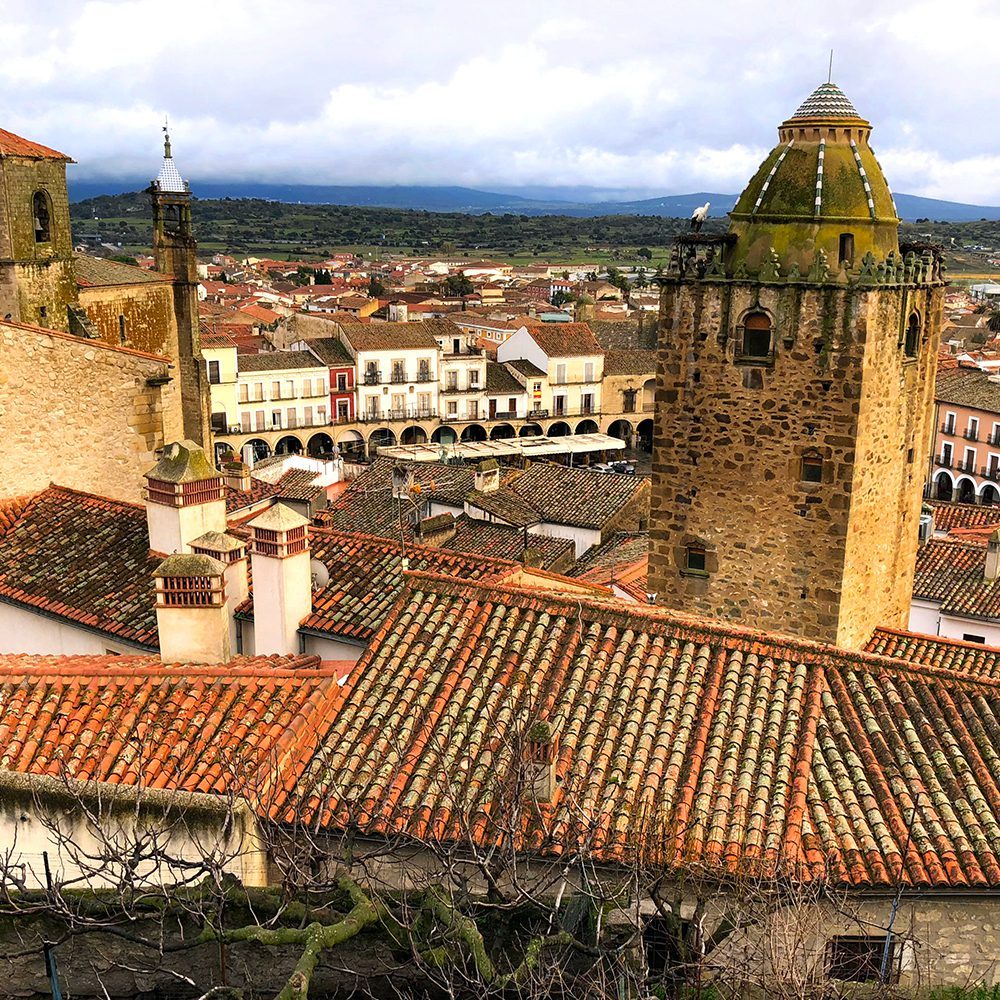
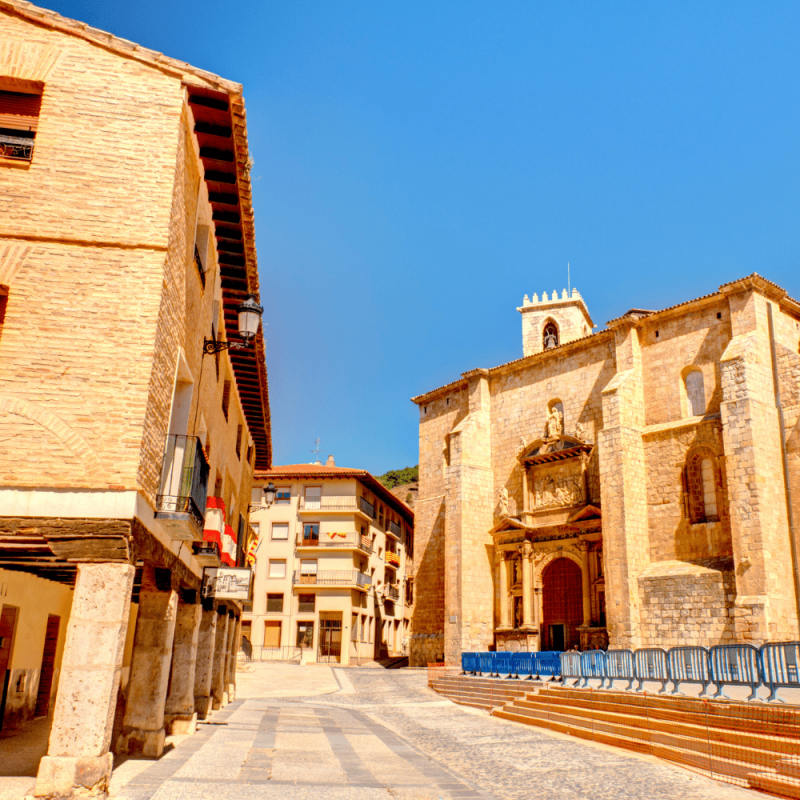
Aragón holds one of Spain’s most distinctive architectural traditions. Brick towers and patterned tilework, especially in Teruel, reflect the Mudéjar style that developed under Christian rule with Islamic artisans. These structures are not ornamental curiosities but enduring civic landmarks that define the skyline of towns across the region.
Independence in Scale and Spirit
Large distances between towns and varied terrain have fostered a strong sense of regional autonomy. Cultural life is rooted in local festivals, agricultural cycles, and long-standing customs that remain closely tied to land and climate. Aragón feels self-contained and deliberate rather than performative.
Best Times To Go
Late Spring (May–June): Clear mountain weather in the Pyrenees and comfortable temperatures across Zaragoza and Teruel.
Early Autumn (September–October): Harvest activity in agricultural areas and stable conditions for exploring both highland and lowland landscapes.
Where to Stay
Stays range from mountain lodges in the Pyrenees to boutique accommodations in Zaragoza and historic townhouses in Teruel. Northern properties emphasize alpine access, while central Aragón offers immersion in river valley agriculture and architectural heritage.
What To Taste
Ternasco asado: Roast young lamb seasoned simply and cooked until tender, closely associated with Aragón’s pastoral tradition.
Migas aragonesas: Rustic fried breadcrumbs cooked with garlic, chorizo, and sometimes grapes, reflecting the region’s agricultural roots.
Pair This Region With:
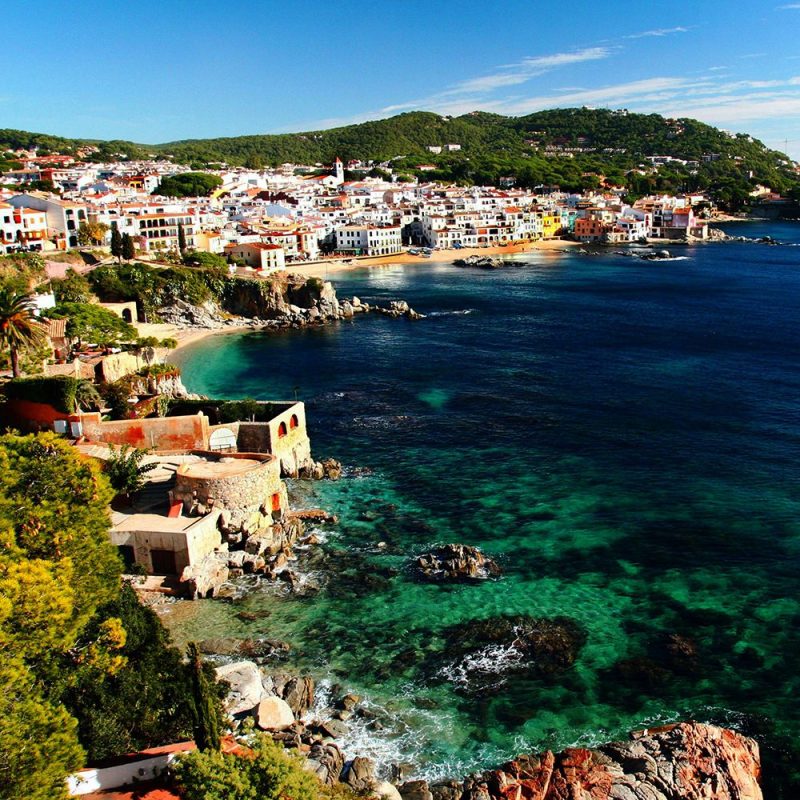
Catalonia
Navarra
Occitanie