Private Culinary & Cultural Travel
Fribourg, Switzerland
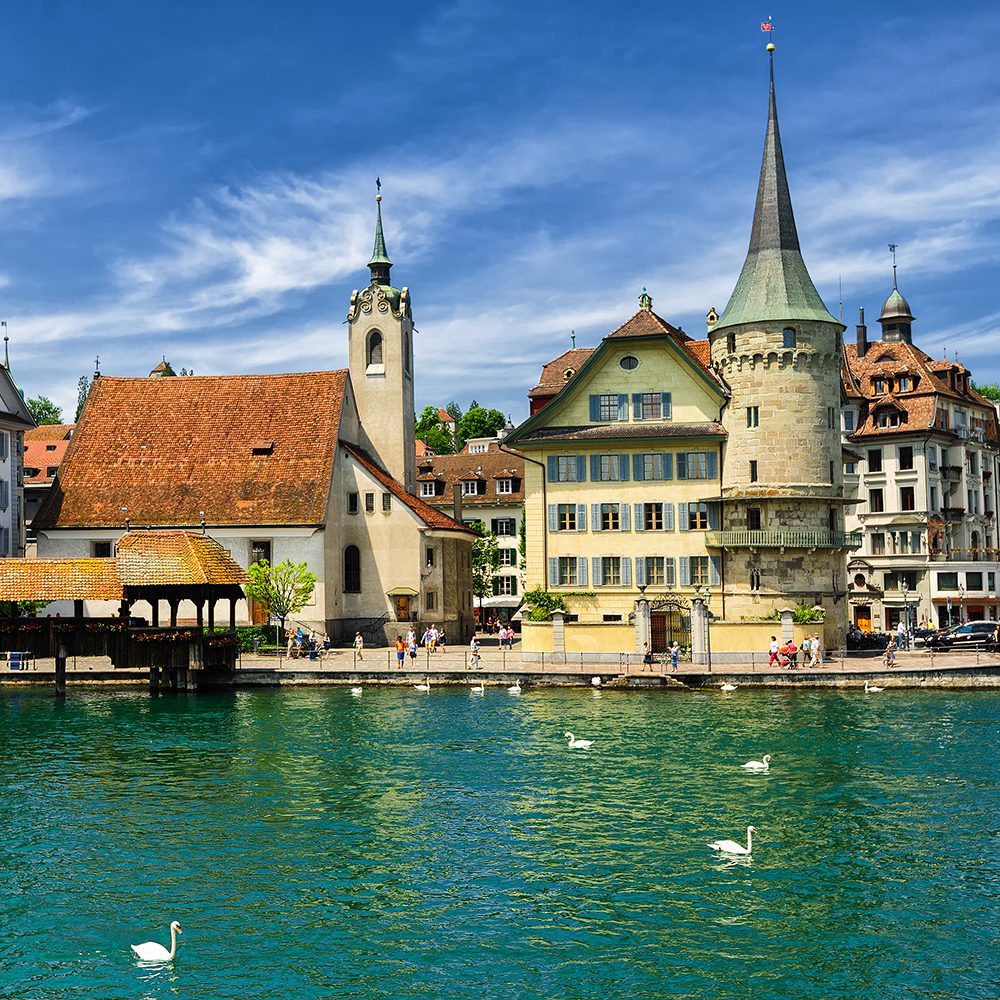
A medieval hilltop city overlooking a deep river gorge, where Gothic towers rise above farmland that stretches toward both French- and German-speaking Switzerland.
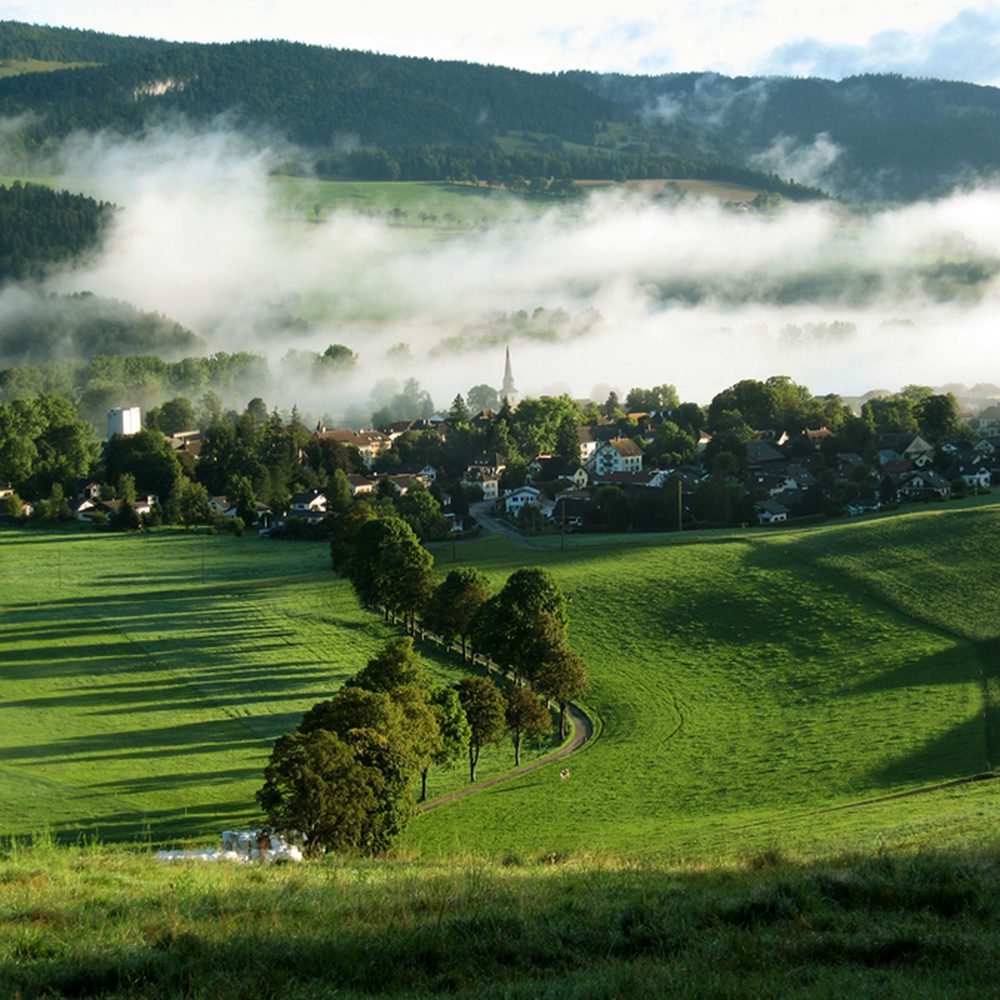
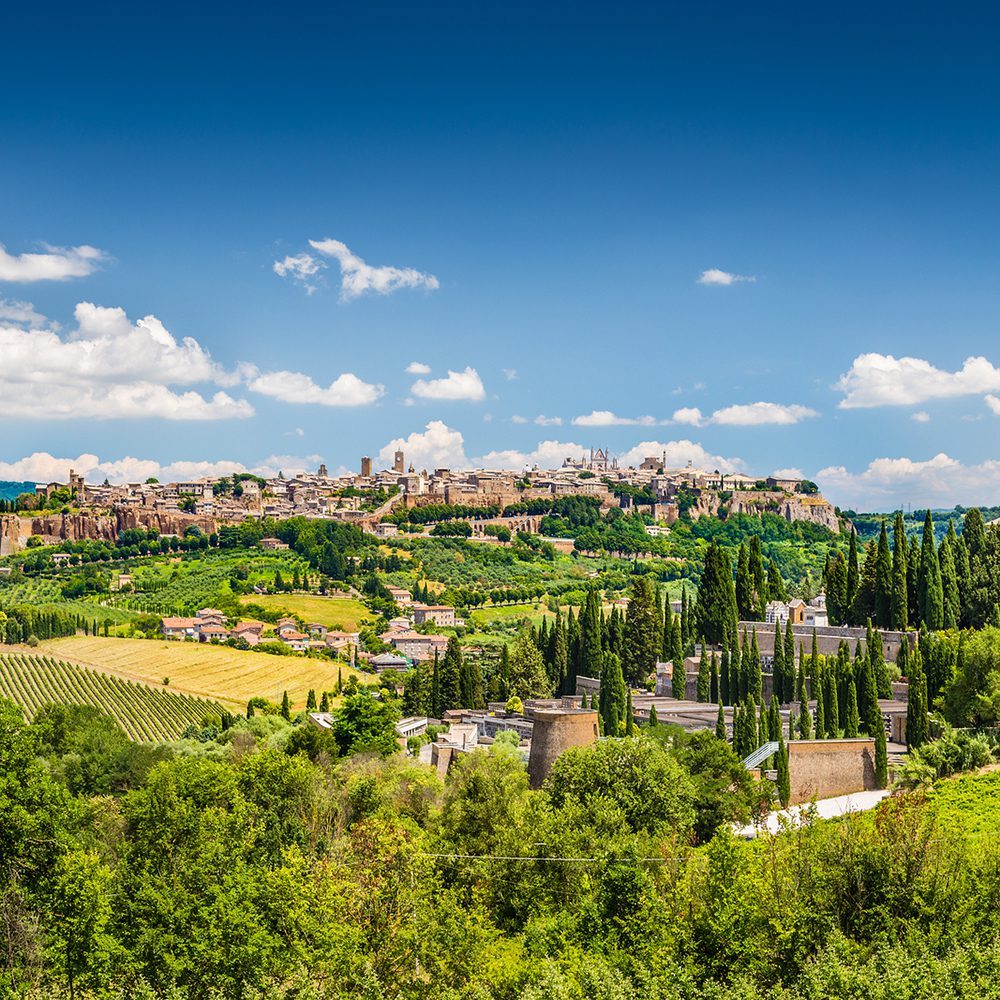
Canton of Fribourg lies in western Switzerland between Bern and Lake Geneva, bridging the linguistic divide between French and German regions. Its capital, Fribourg, sits dramatically above the Sarine River with one of the country’s most intact medieval skylines. The surrounding countryside is agricultural and pastoral, anchoring the canton’s culinary identity in dairy and alpine production.
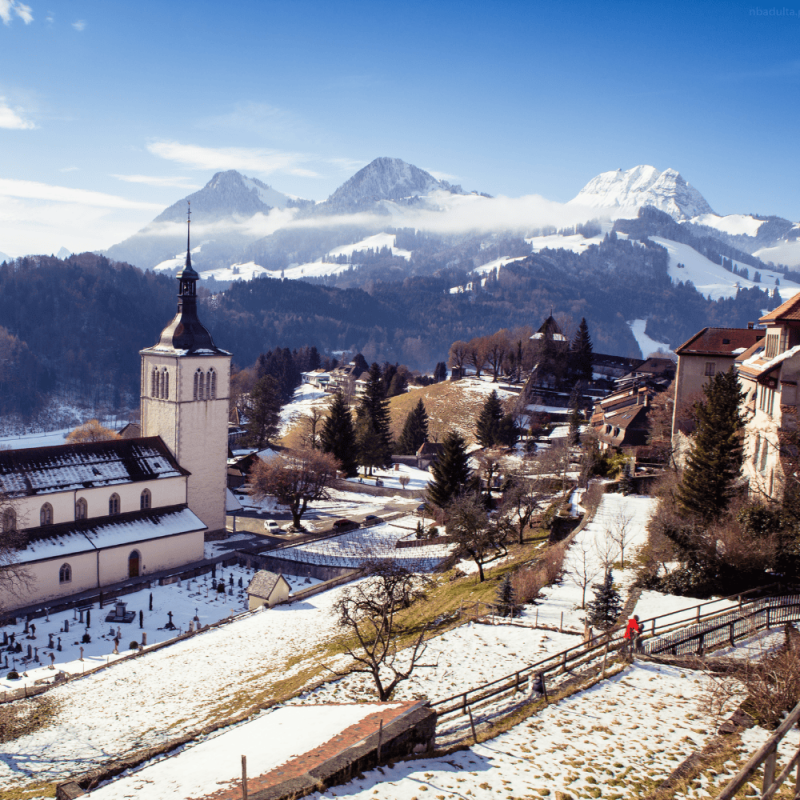
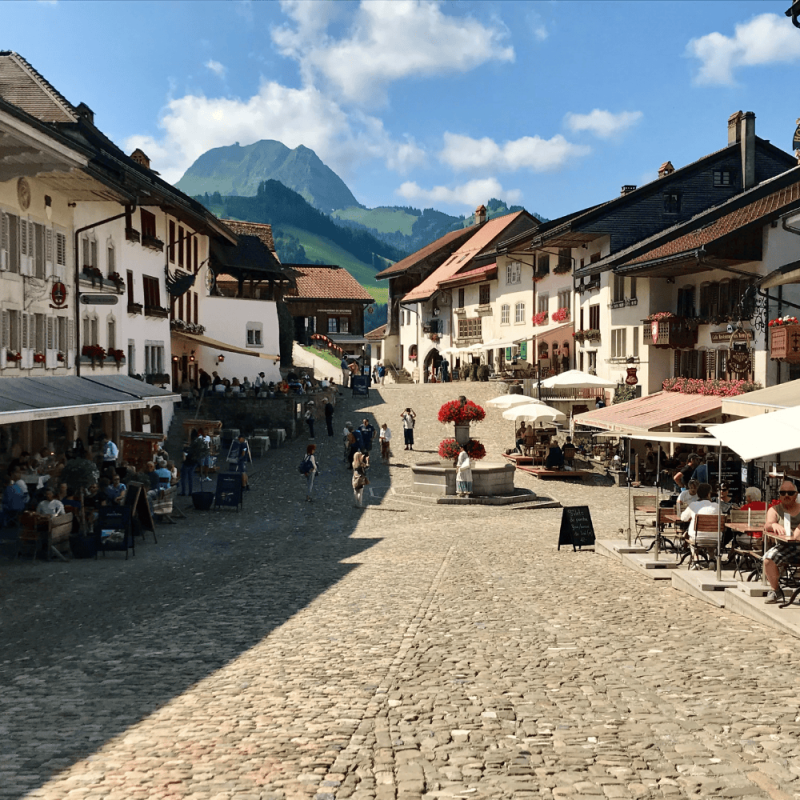
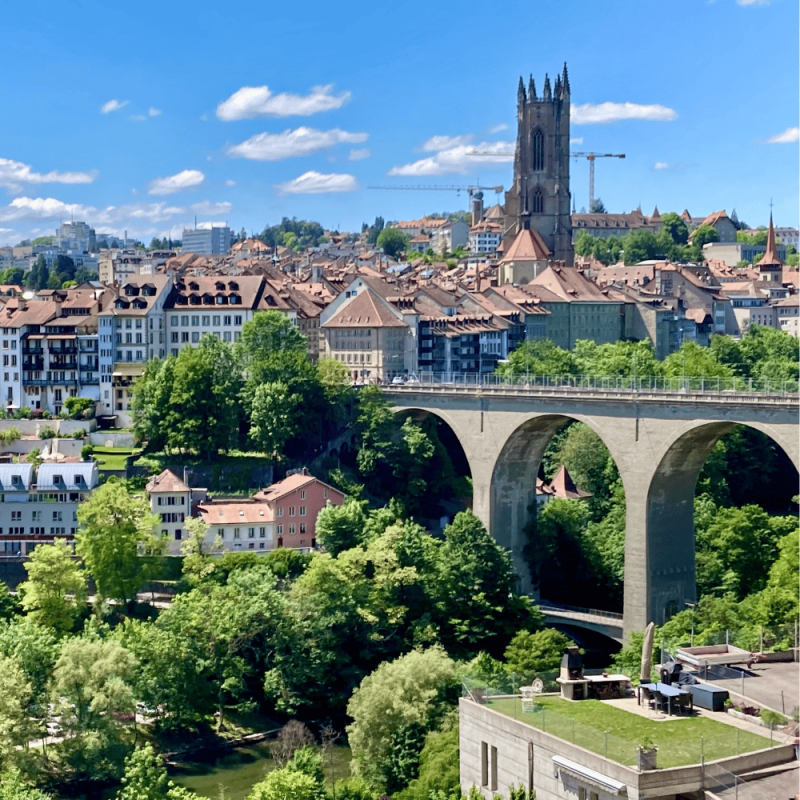
Medieval Cityscape Above the Gorge
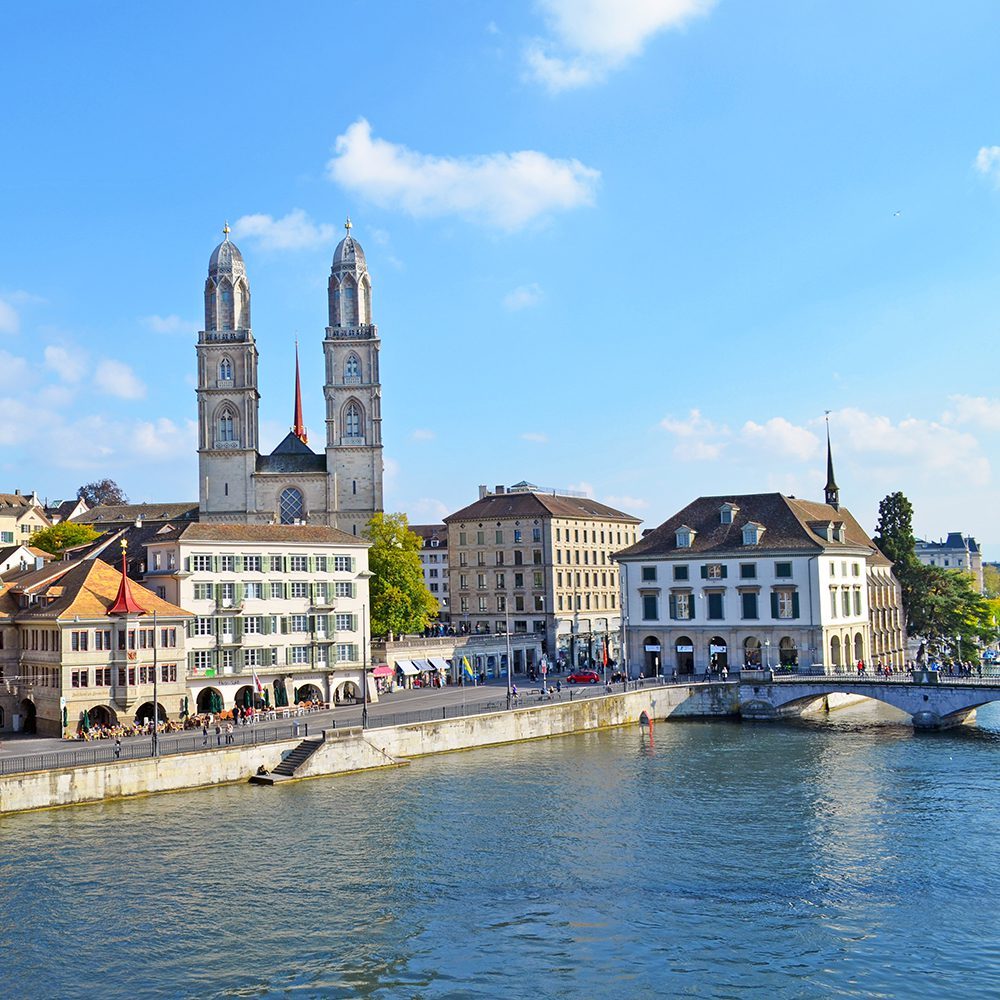
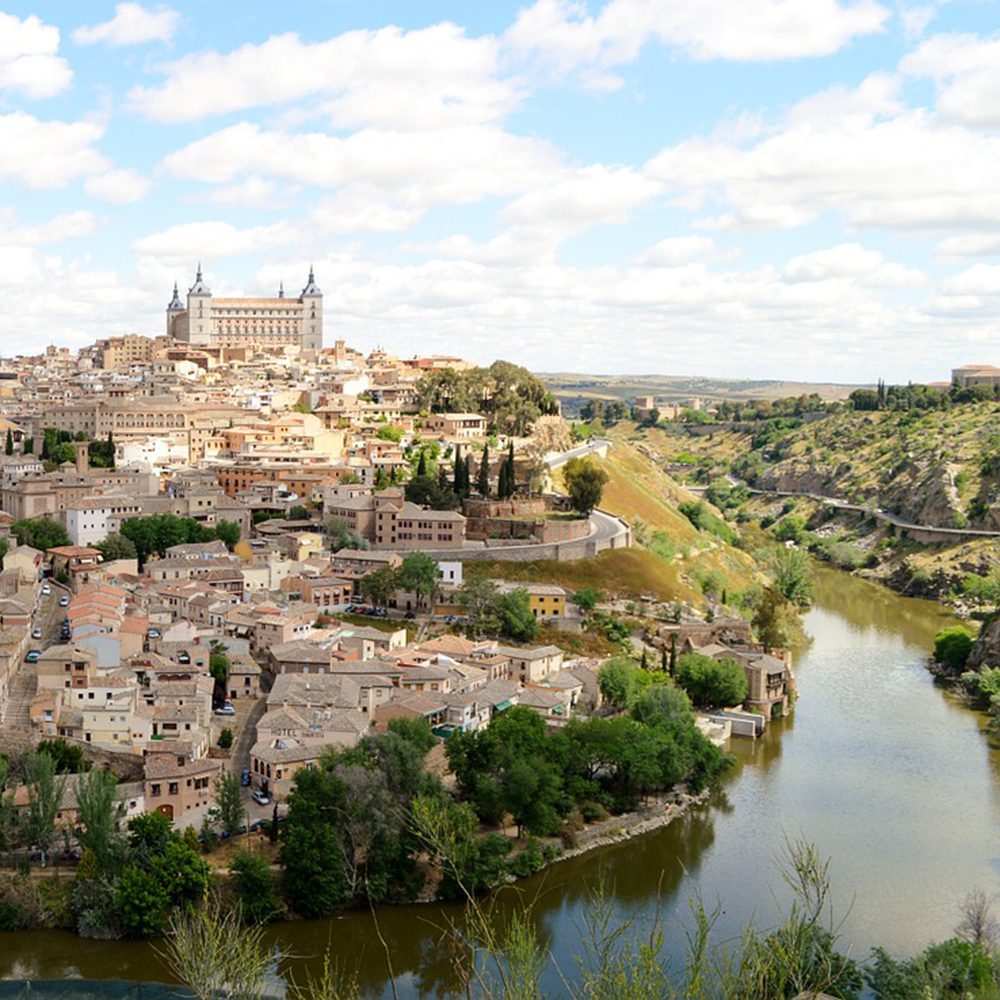
Fribourg’s old town rises steeply above the river, connected by stone bridges and winding streets. The cathedral tower and fortified walls define a skyline that remains central to daily life rather than preserved as a museum quarter. Vertical geography shapes both architecture and movement.
Bilingual Identity
Fribourg operates at the crossroads of Swiss linguistic regions. French and German are both spoken here, shaping education, governance, and daily communication. This cultural intersection gives the canton a distinct identity within Switzerland’s federal framework.
Dairy Tradition and Alpine Pasture
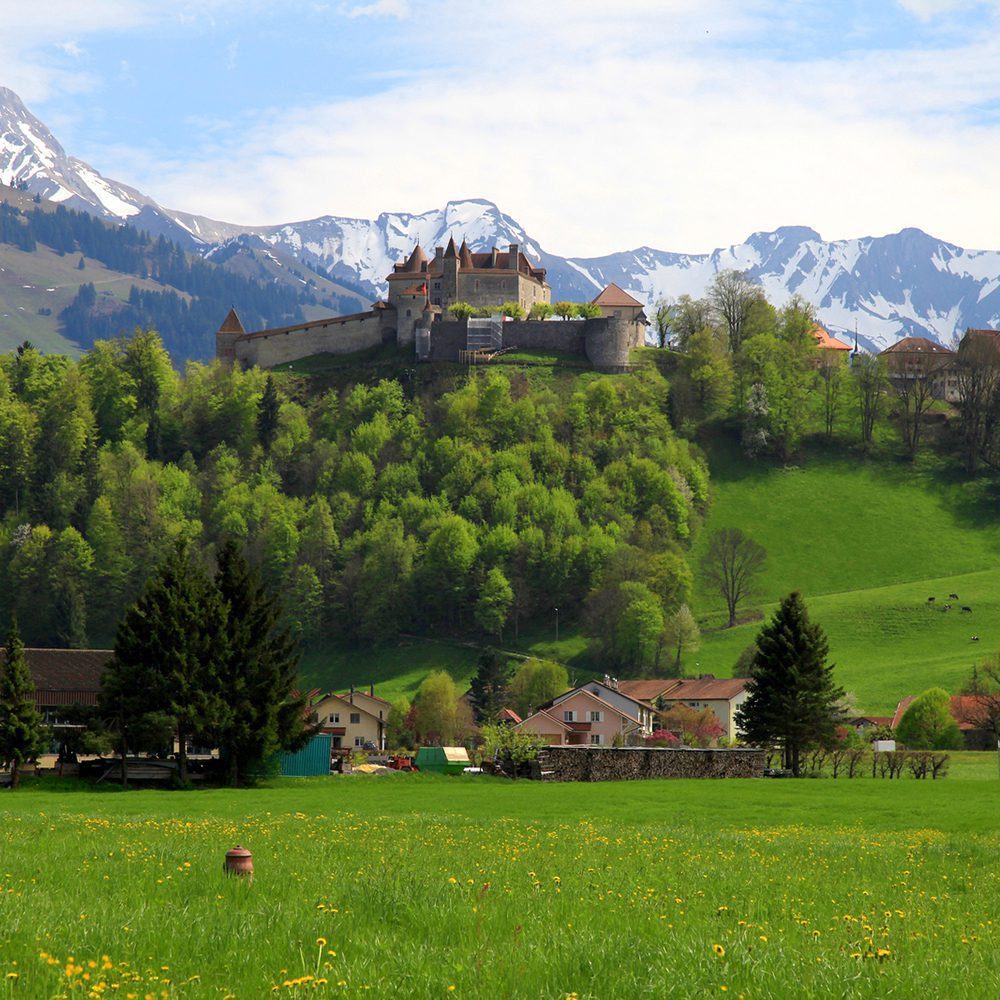
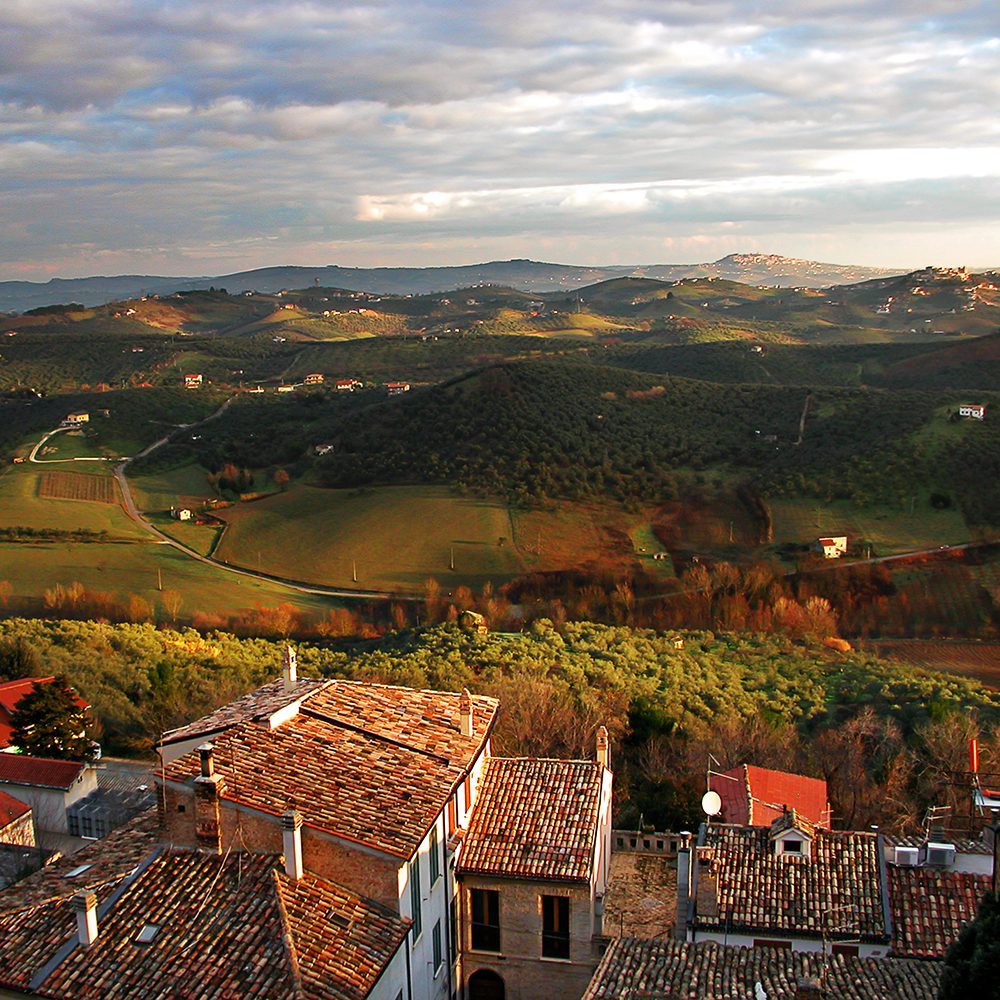
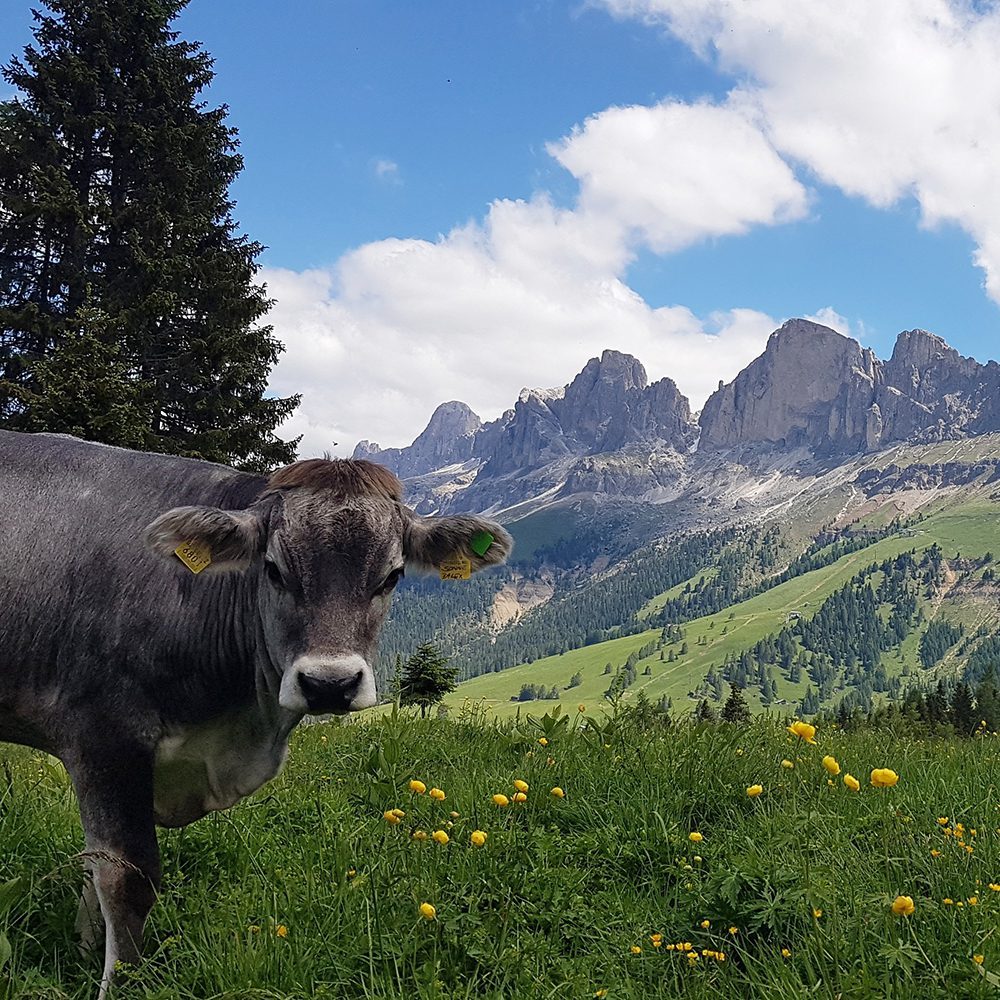
The countryside surrounding Fribourg is known for its dairy farms and alpine grazing. Cheese production remains foundational to the region’s economy and cuisine, linking small-scale agriculture with long-standing cooperative systems.
Best Times To Go
Late Spring to Early Summer (May–June): Clear countryside conditions and active markets, ideal for exploring the old town and rural surroundings.
Autumn (September): Mild weather across farmland and alpine foothills with strong seasonal food focus.
Where to Stay
Options include historic stays within Fribourg’s old town and rural guesthouses set among farmland and rolling hills. City lodging emphasizes medieval architecture, while countryside accommodations immerse travelers in pastoral landscapes.
What To Taste
Fondue moitié-moitié: A blend of Gruyère and Vacherin Fribourgeois melted with white wine, traditionally shared communally.
Vacherin Fribourgeois: A semi-hard cow’s milk cheese central to the canton’s dairy heritage.