Private Culinary & Cultural Travel
Graubünden
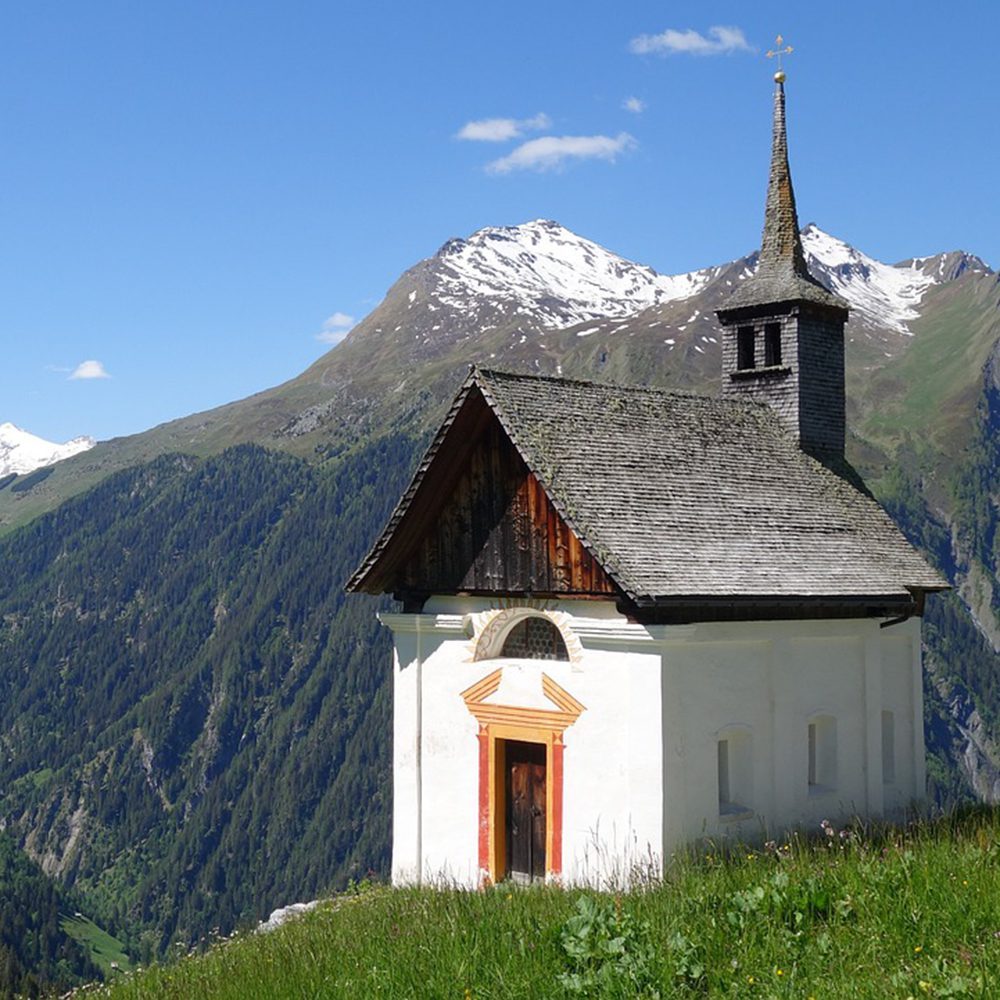
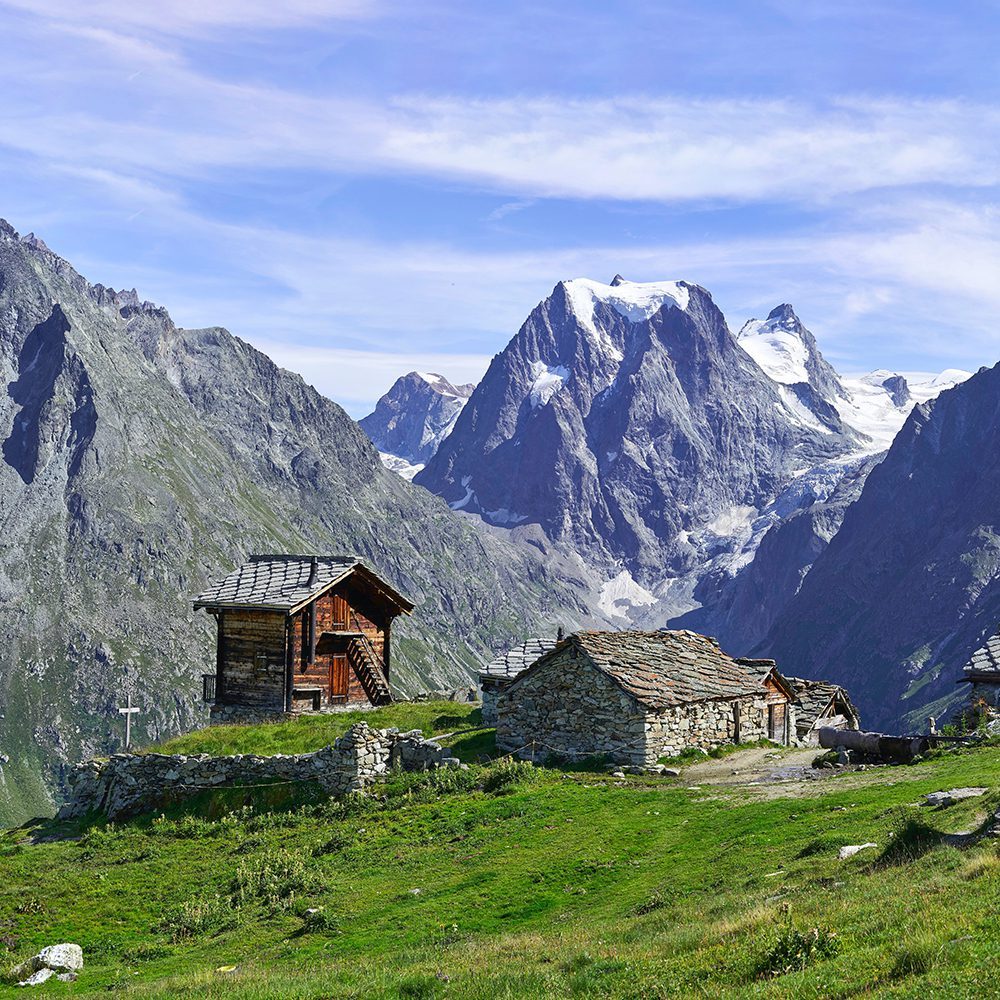
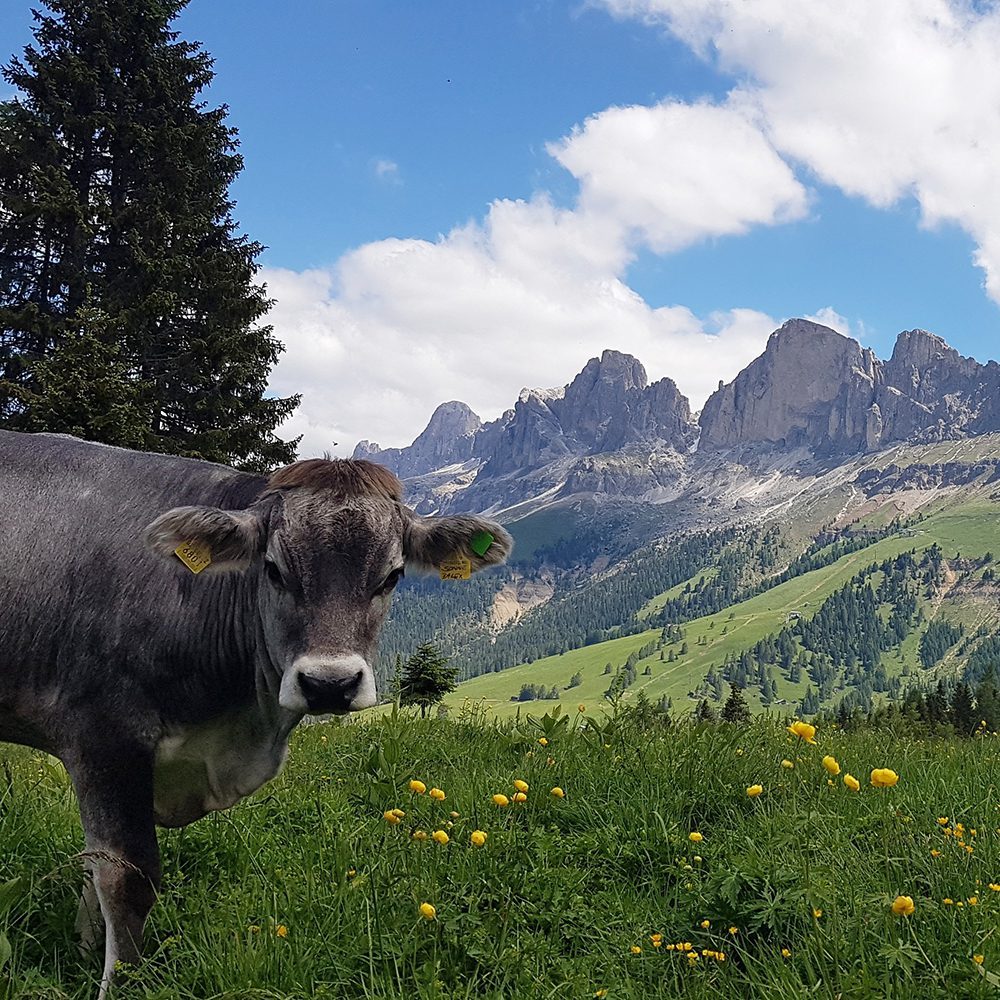
A high Alpine expanse of glacier valleys, stone villages, and soaring peaks, where winding mountain passes connect isolated communities beneath vast open sky.
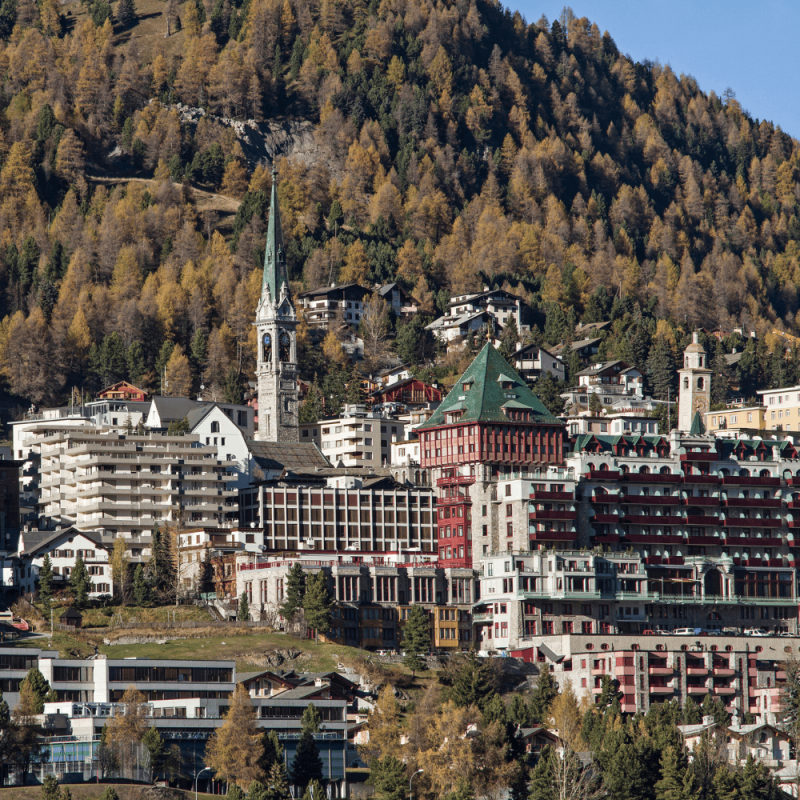
Canton of Graubünden occupies Switzerland’s southeastern corner, bordering Italy, Austria, and Liechtenstein. It is the country’s largest canton by area and one of its most geographically dramatic. Resorts such as St. Moritz and alpine towns like Davos sit within deep valleys surrounded by some of the highest peaks in the country. Graubünden is also Switzerland’s only trilingual canton, where German, Romansh, and Italian coexist.
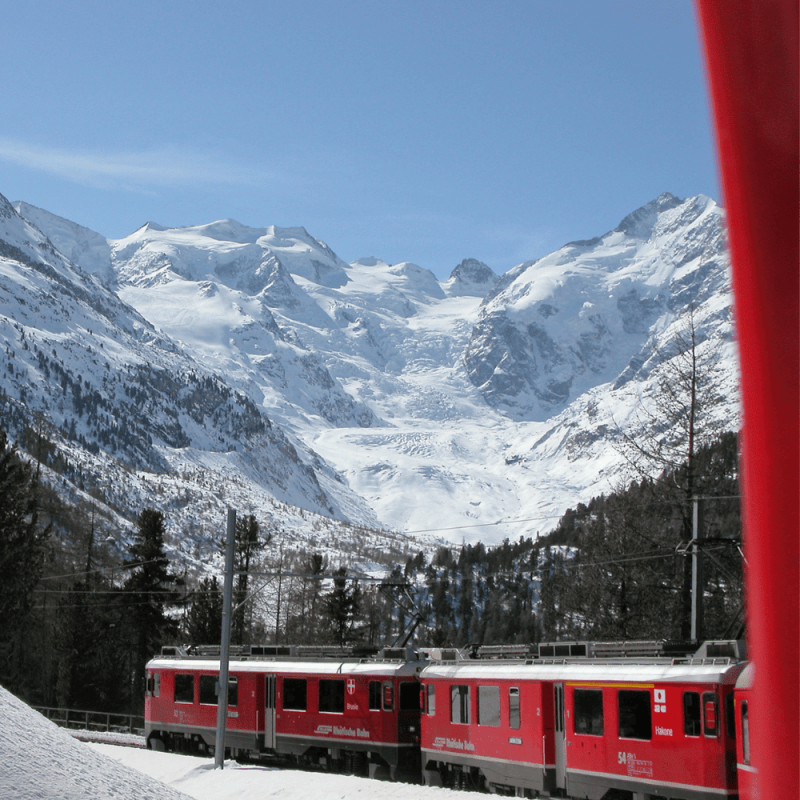
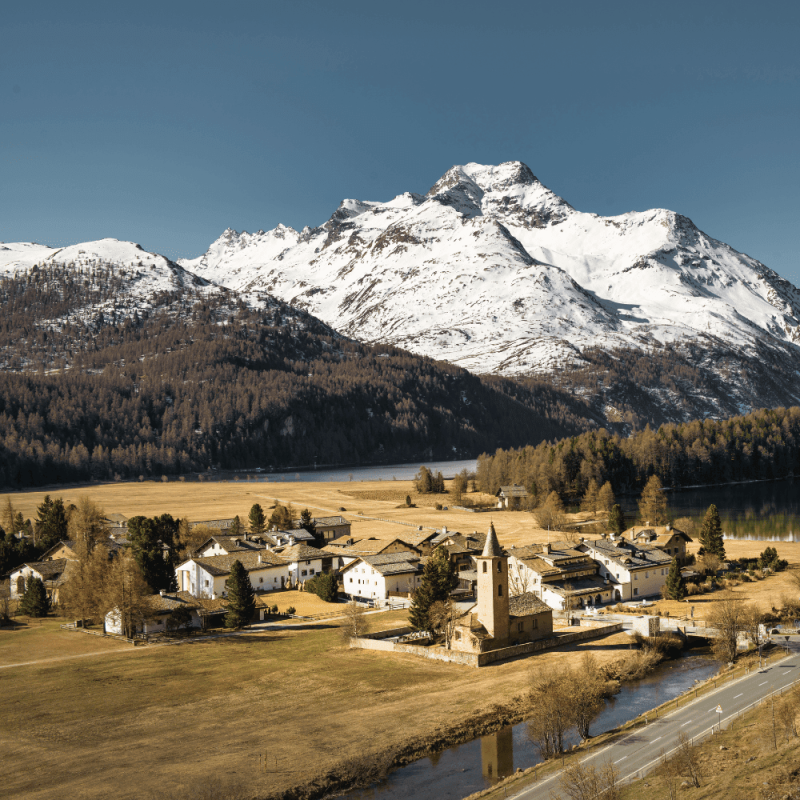
High Mountain Geography
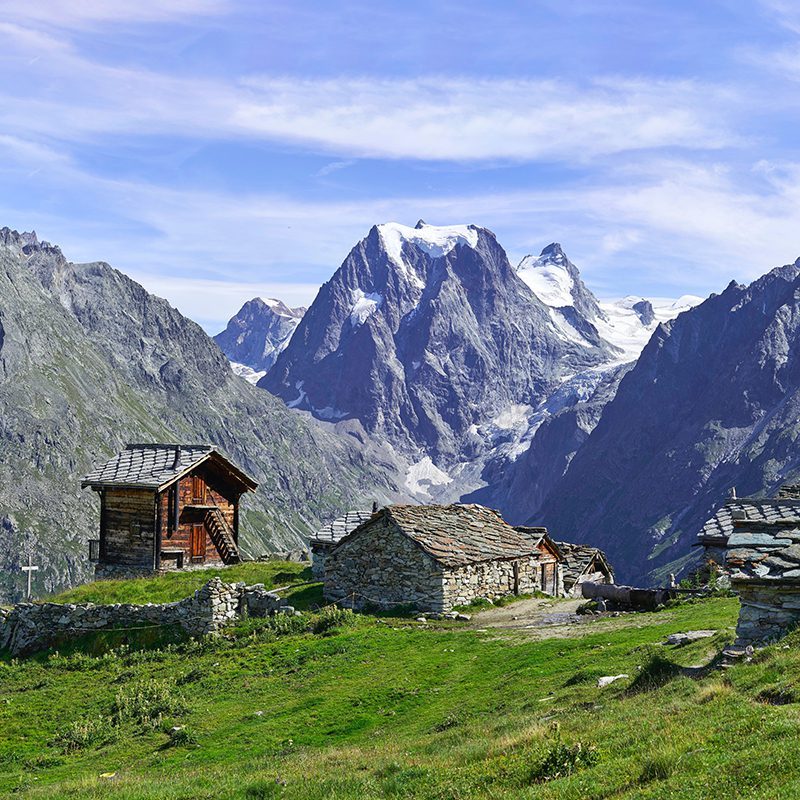
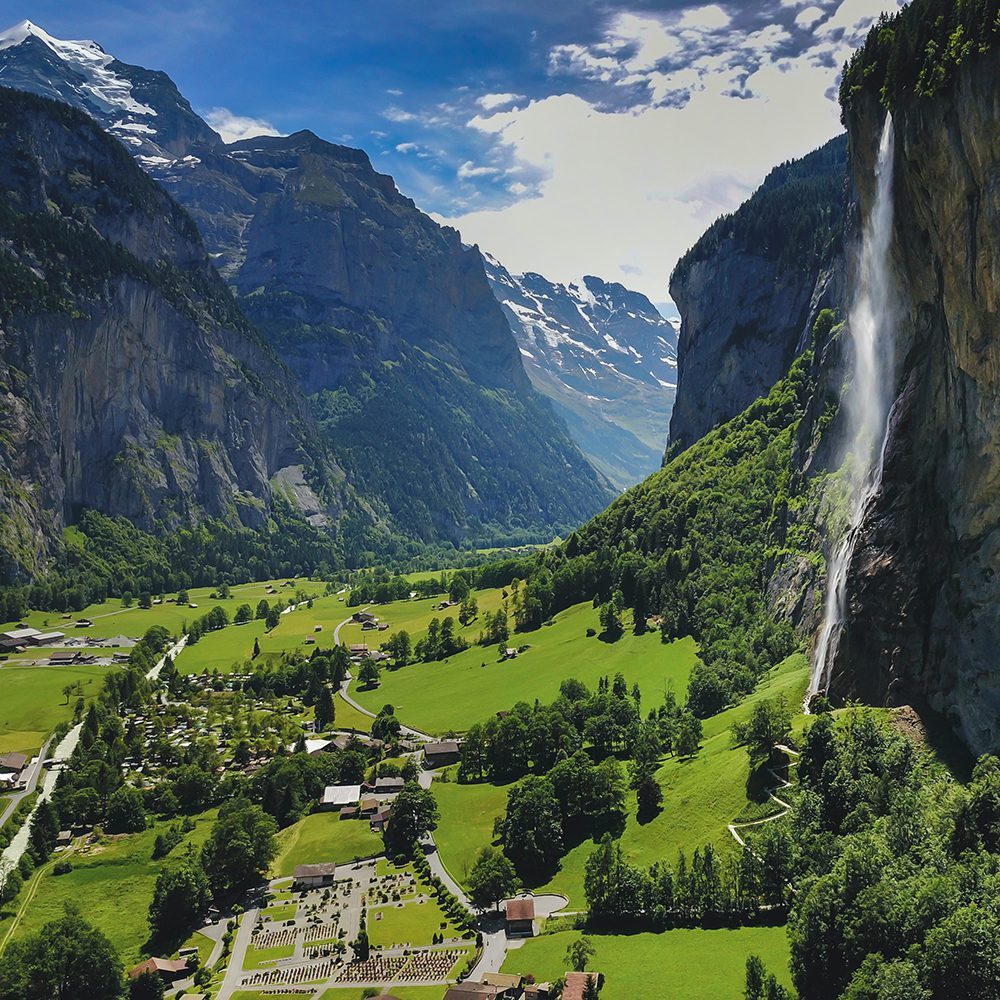
Graubünden is defined by altitude. Glacier-fed rivers, dramatic passes like the Bernina, and extensive hiking and ski terrain shape how communities connect. Travel here moves through tunnels, over mountain railways, and across landscapes that feel expansive and remote.
Romansh Heritage and Alpine Continuity
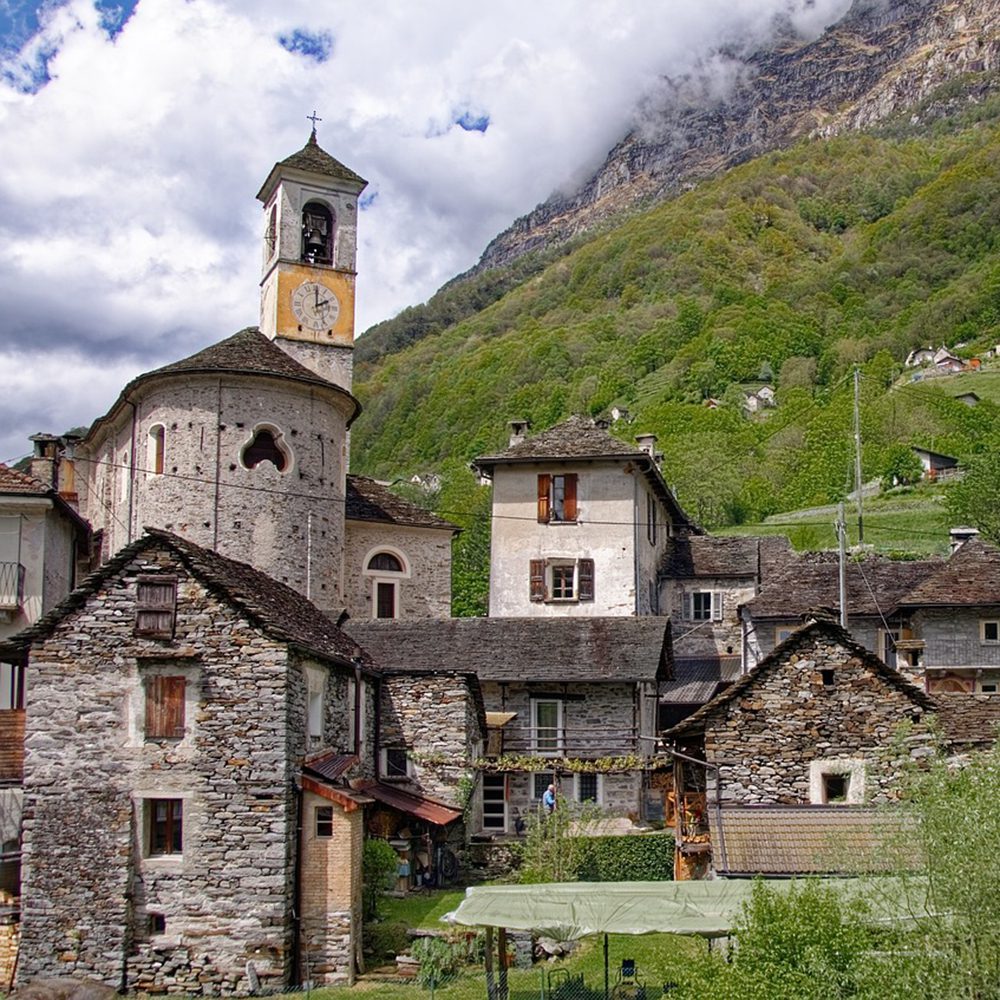
The Romansh language remains a living part of local identity, particularly in smaller valleys. Traditional stone houses, alpine farming practices, and seasonal livestock migration reinforce a cultural continuity shaped by elevation and isolation.
Winter Sport and Global Visibility
While rural traditions endure, Graubünden also carries global recognition through winter sport. St. Moritz helped define alpine luxury tourism, and Davos hosts international economic forums. The region balances seclusion with global reach.
Best Times To Go
Summer (June–September): Clear alpine conditions for hiking, mountain rail journeys, and lake exploration.
Winter (December–March): Prime ski season across St. Moritz and Davos with reliable snow at higher elevations.
Where to Stay
Accommodations range from grand alpine hotels in St. Moritz to mountain lodges and chalet-style stays in smaller valleys. Resort towns offer structured access to lifts and railways, while rural villages provide quieter immersion in high-altitude landscapes.
What To Taste
Capuns: Swiss chard leaves wrapped around a mixture of dough and cured meat, then simmered and finished with cream and cheese, deeply tied to Graubünden’s rural cuisine.
Bündnerfleisch: Air-dried beef cured in Alpine air, sliced thin and served simply.