Private Culinary & Cultural Travel
Ticino, Switzerland
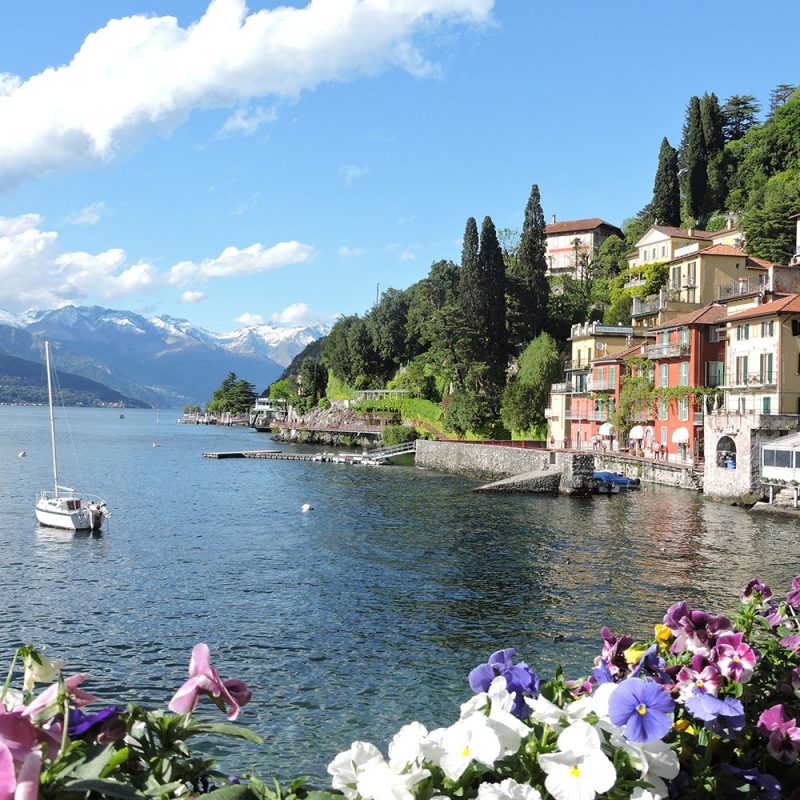
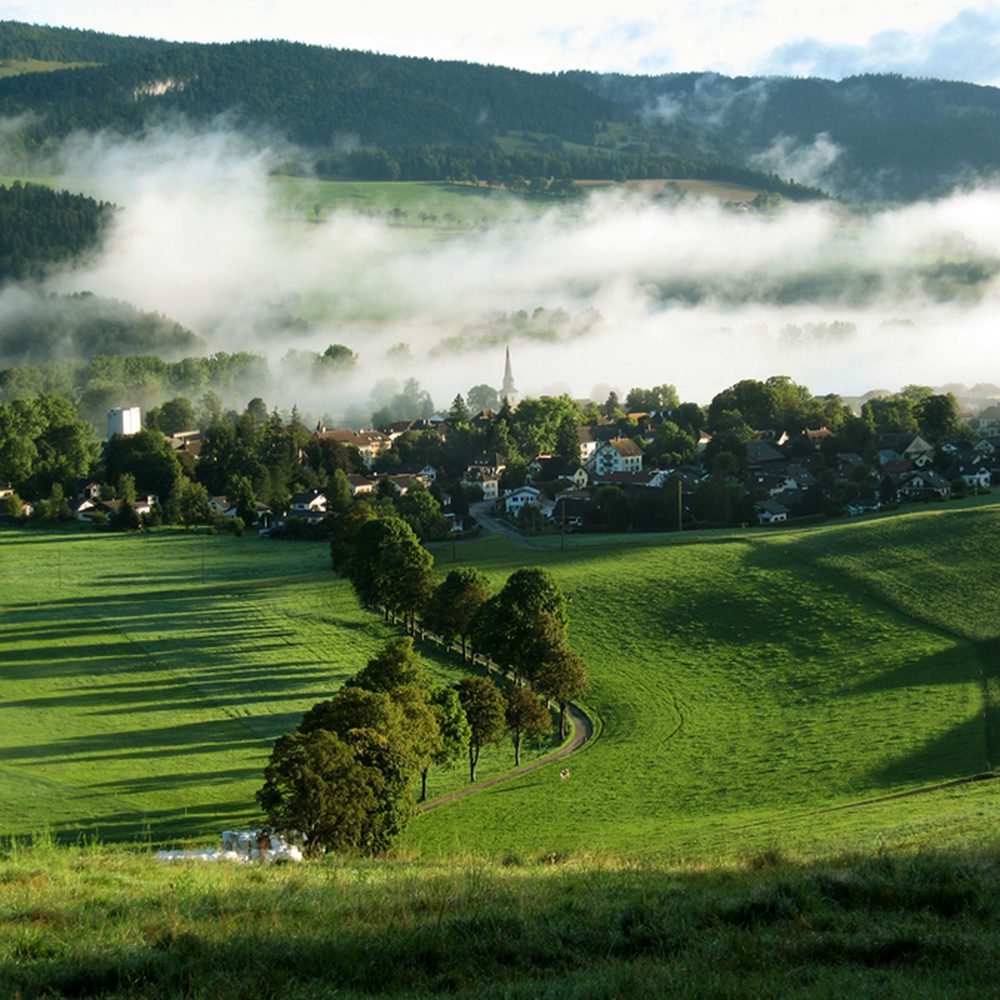
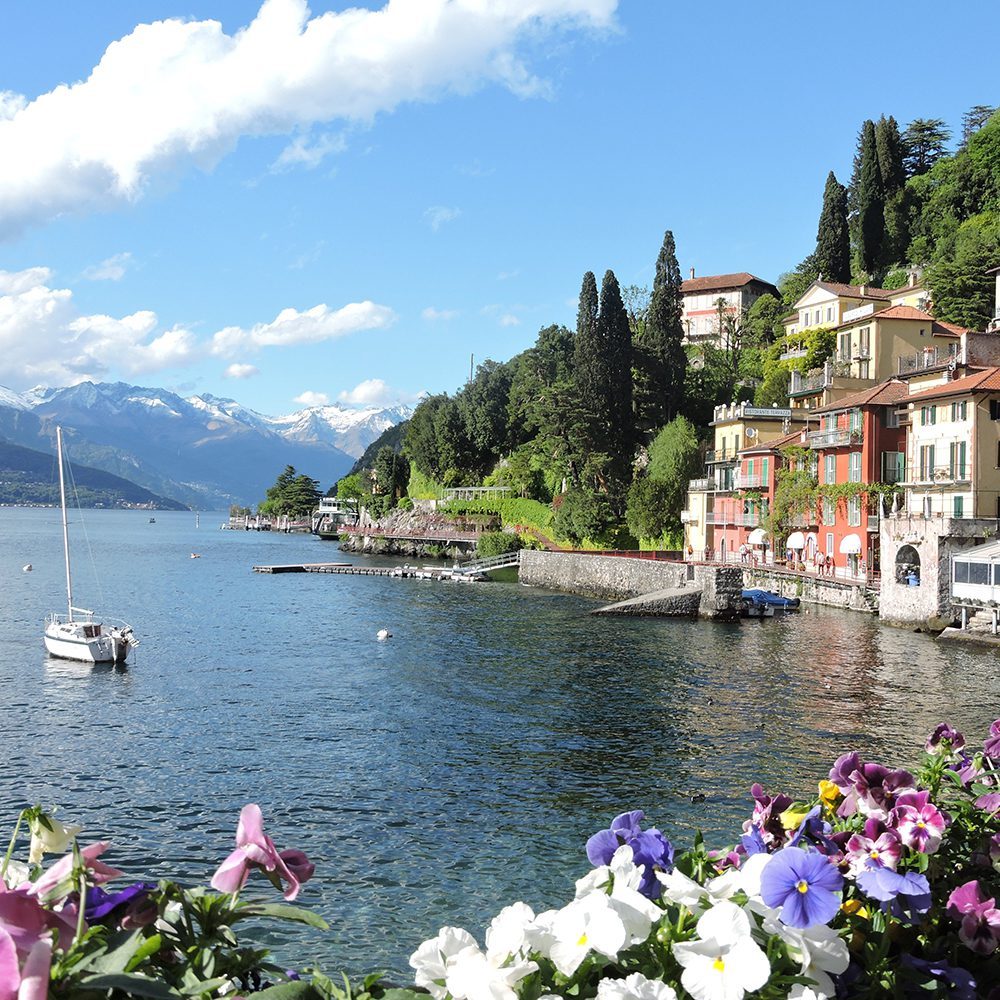
A sunlit southern canton of palm-lined lakes, stone villages, and chestnut forests, where alpine ridges give way to Italianate piazzas along the shores of Lake Lugano and Lake Maggiore.
Canton of Ticino sits south of the Alps, bordering Italy and forming Switzerland’s primary Italian-speaking region. Anchored by cities such as Lugano and Locarno, Ticino blends alpine geography with Mediterranean influence. Lake basins, terraced hillsides, and centuries of cross-border trade have shaped a region that feels culturally distinct within Switzerland’s federal structure.
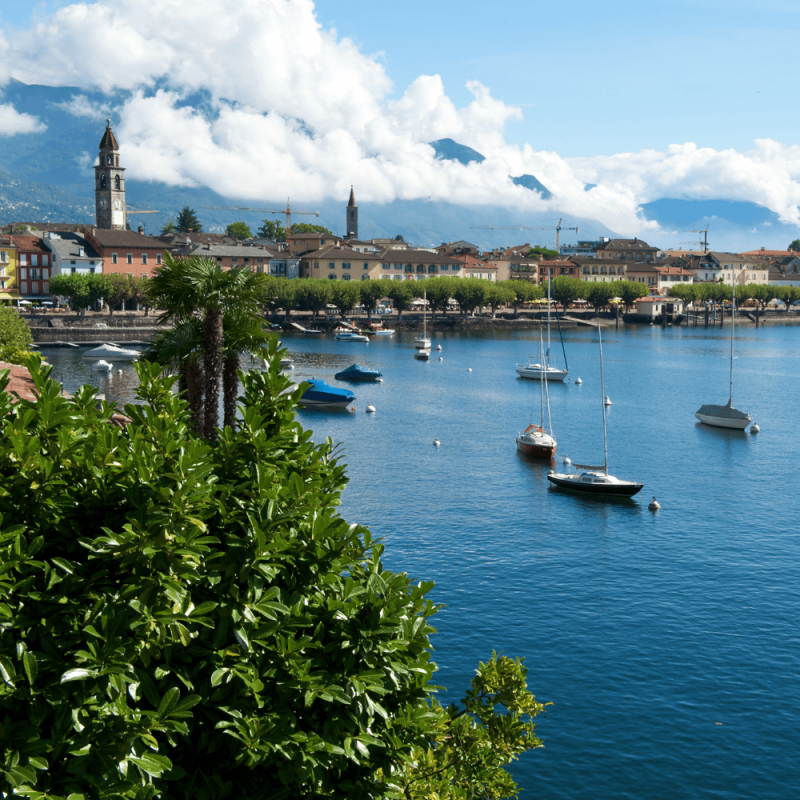

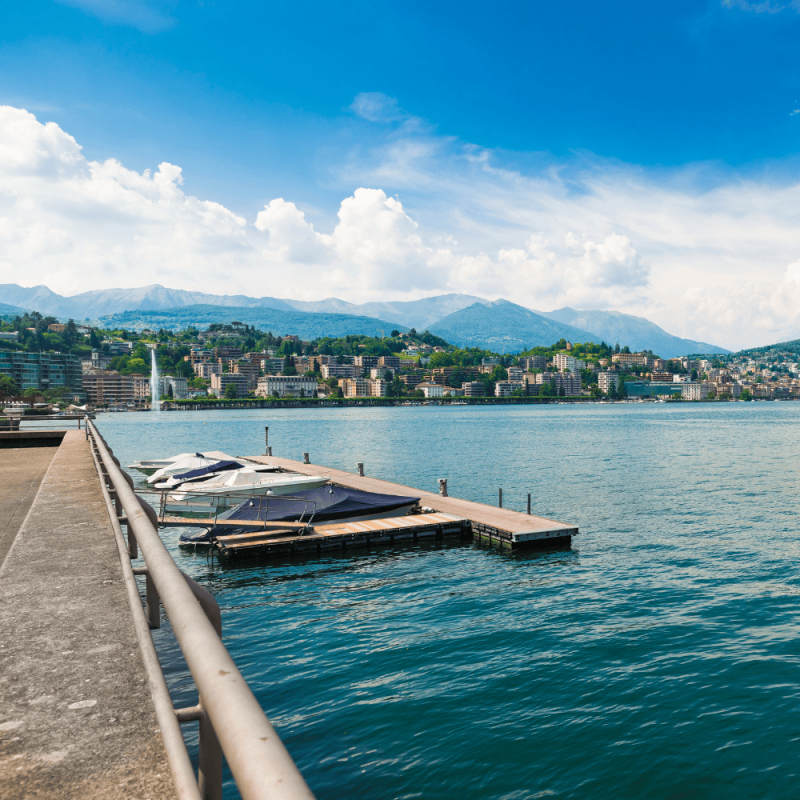
Lakes and Alpine Threshold
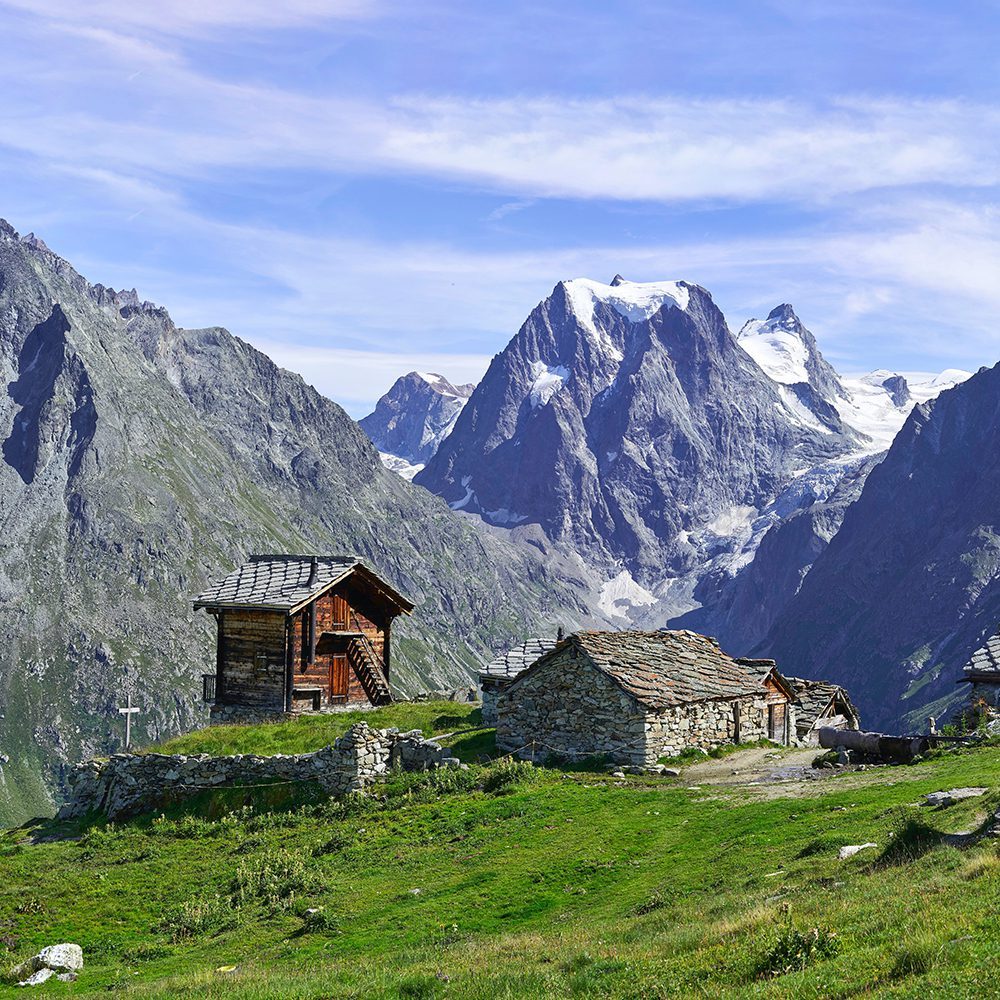
Ticino’s geography is defined by transition. The Alps descend sharply toward the lakes, creating dramatic shifts between high mountain passes and low-elevation waterfront towns. This southern exposure brings milder weather and a visibly different architectural palette.
Italian Language and Culinary Influence
Italian is the dominant language of Ticino, and that linguistic continuity extends into cuisine, design, and daily life. Outdoor cafés, piazzas, and market culture echo northern Italy, while Swiss governance and infrastructure remain firmly in place. The result is a canton that bridges two national identities without diluting either.
Stone Villages and Chestnut Tradition
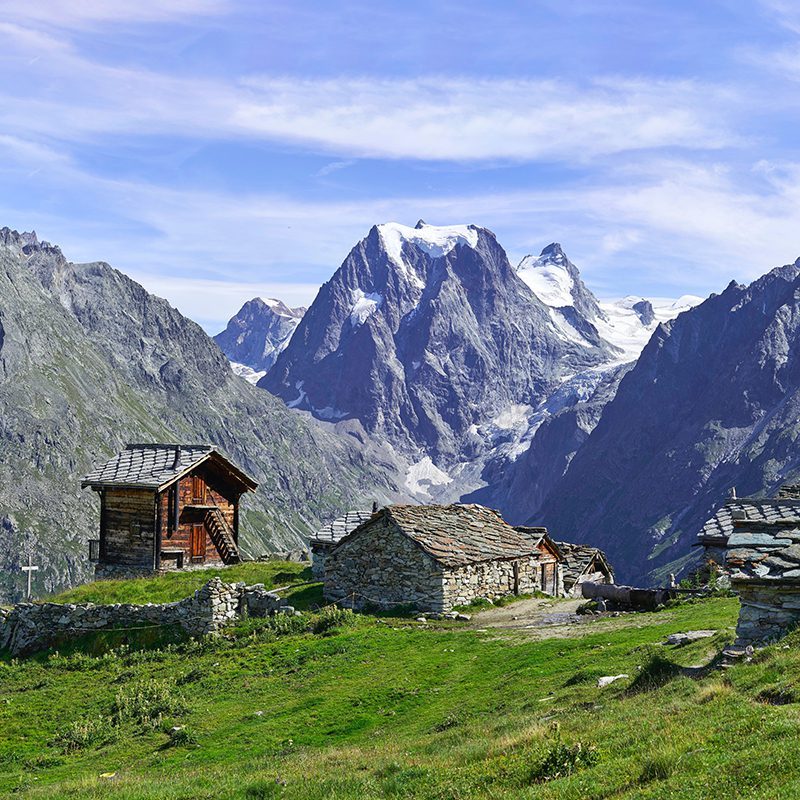
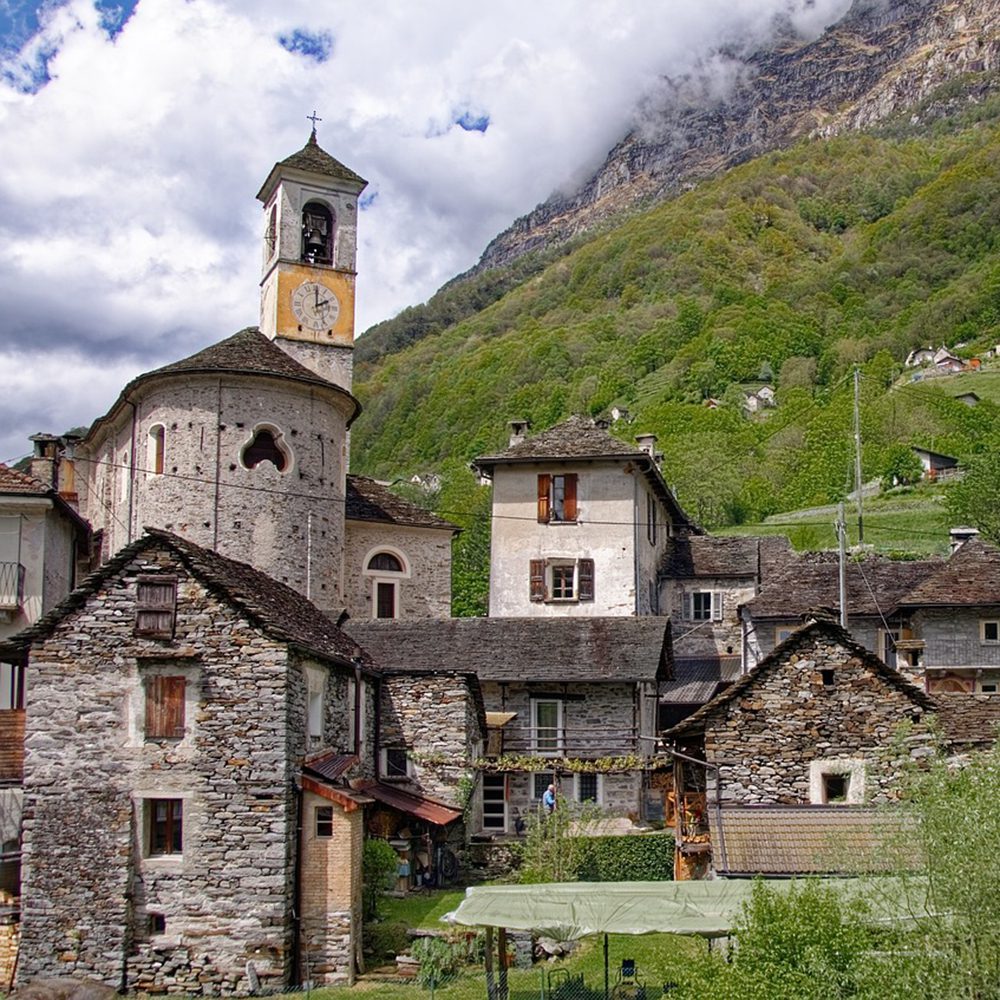
Beyond the lakes, valleys such as the Verzasca and Maggia preserve traditional stone-built villages and chestnut groves that once sustained rural life. Seasonal harvests and small-scale agriculture reinforce continuity in quieter alpine pockets.
Best Times To Go
Late Spring (May–June): Warm lake conditions, flowering hillsides, and ideal weather for exploring Lugano and Locarno.
Early Autumn (September): Stable sunshine, vineyard harvests, and comfortable temperatures along Lake Maggiore.
Where to Stay
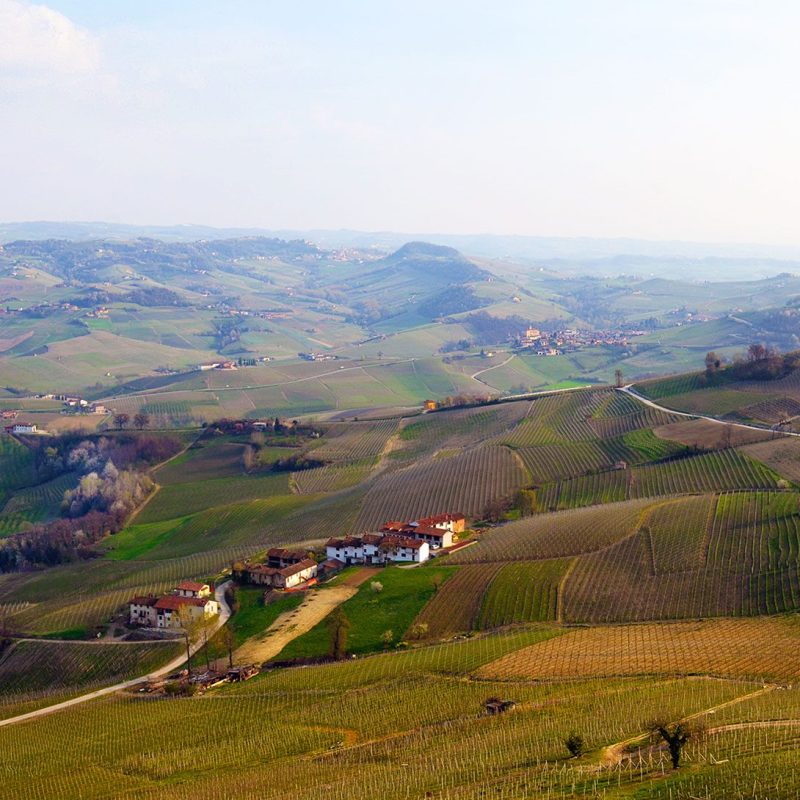
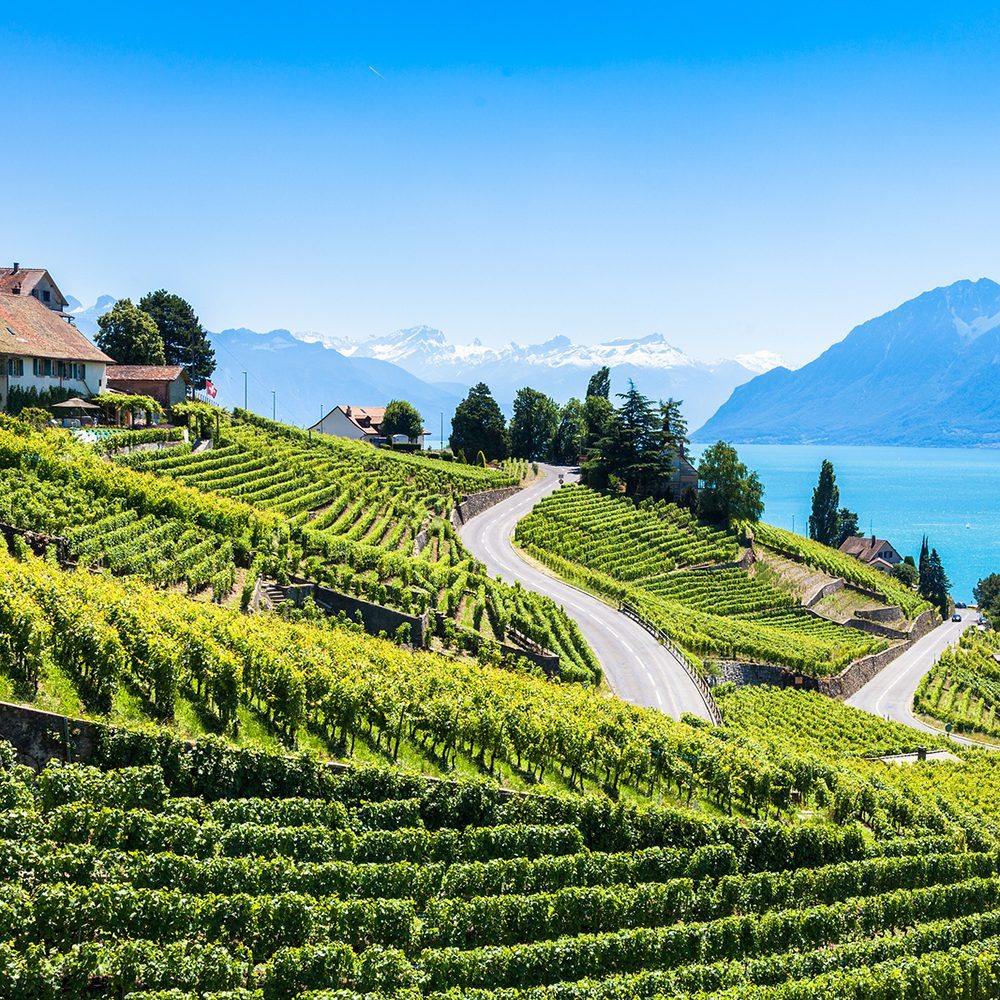
Accommodations range from lakeside hotels in Lugano and Ascona to hillside retreats overlooking vineyard terraces. Waterfront properties emphasize promenade access and mountain views, while inland stays offer immersion in valley villages.
What To Taste
Risotto alla Ticinese: Creamy risotto often prepared with local sausage or saffron, reflecting Italian culinary influence.
Polenta: Slow-cooked cornmeal traditionally served with braised meats or cheese, central to rural Ticino cuisine.