Private Culinary & Cultural Travel
Peloponnese, Greece
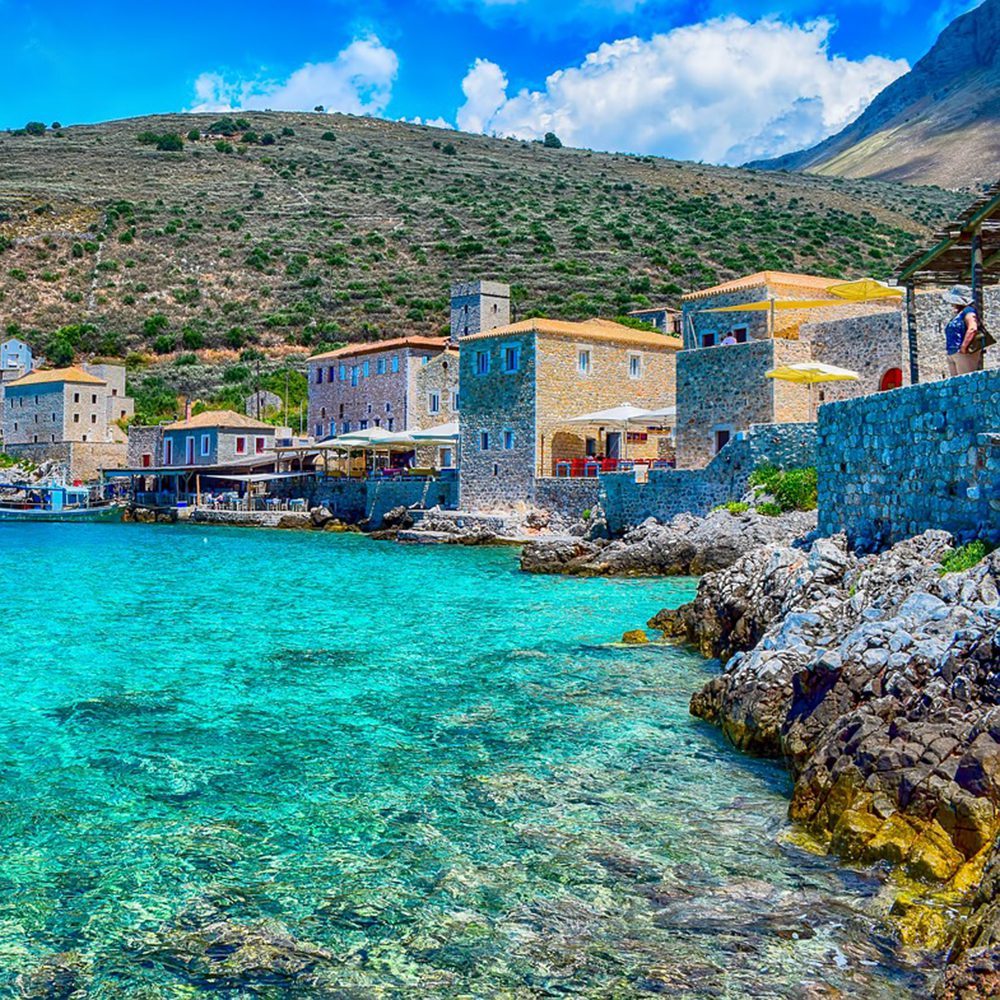
A storied peninsula of olive-covered hills, ancient ruins, and open coastline, where stone villages, mountain roads, and working countryside reflect a slower, deeply rooted way of life.
Peloponnese forms the southern backbone of mainland Greece, shaped by myth, agriculture, and centuries of settlement. Long defined by classical city-states, Byzantine strongholds, and rural continuity, the region blends archaeological depth with everyday tradition. From fertile valleys to rugged coastlines and mountain interiors, the Peloponnese offers a grounded, immersive experience tied closely to land, history, and food.
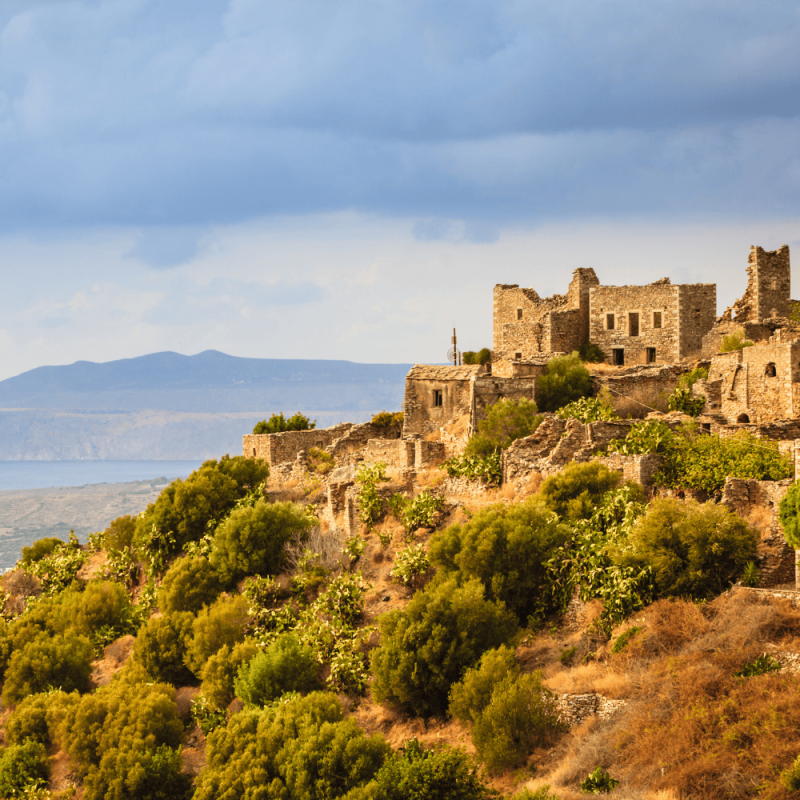
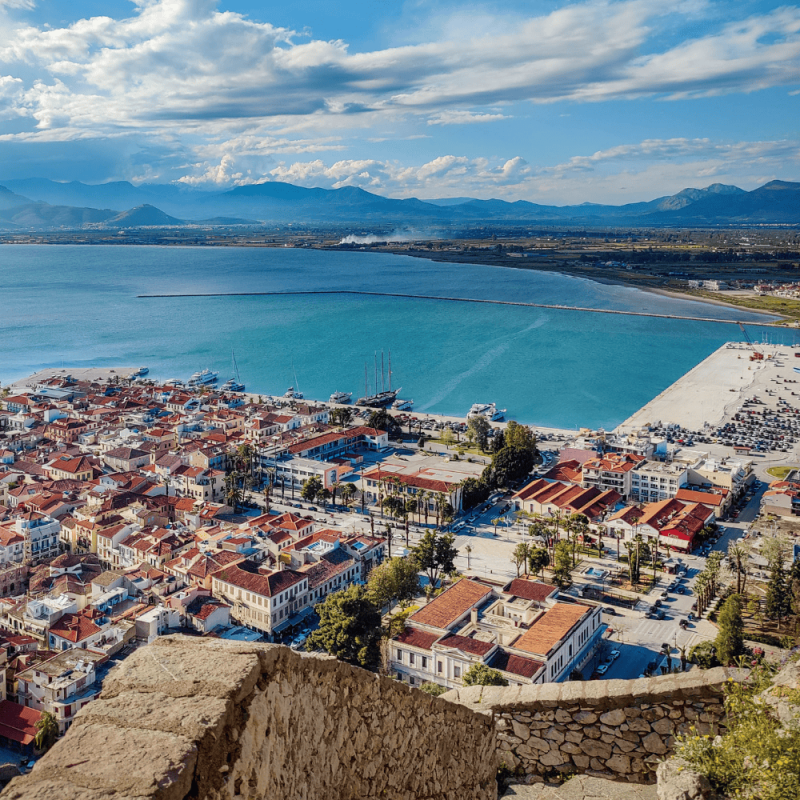
Landscapes Shaped by History
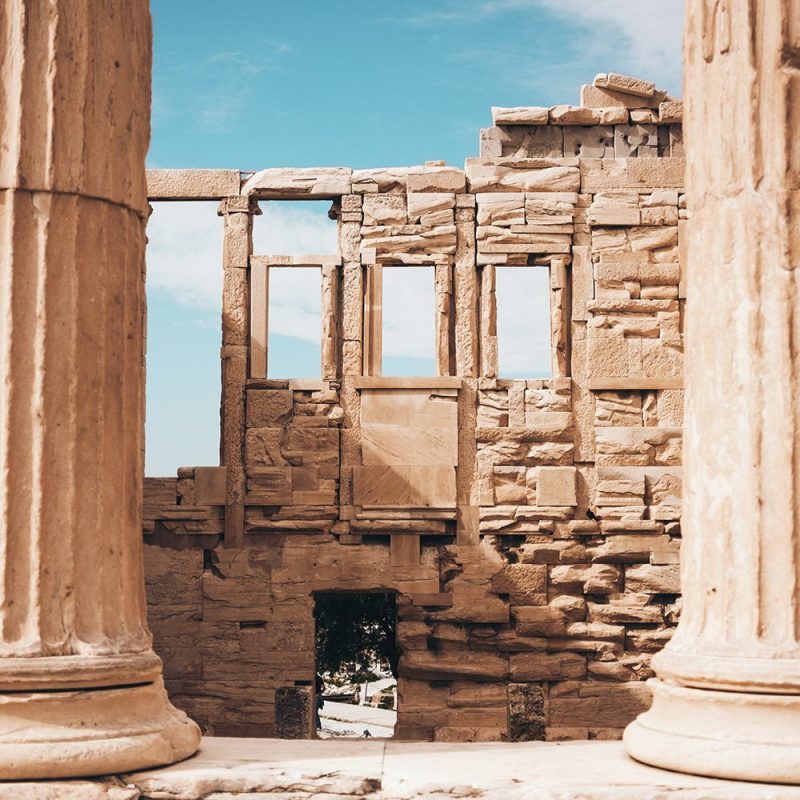
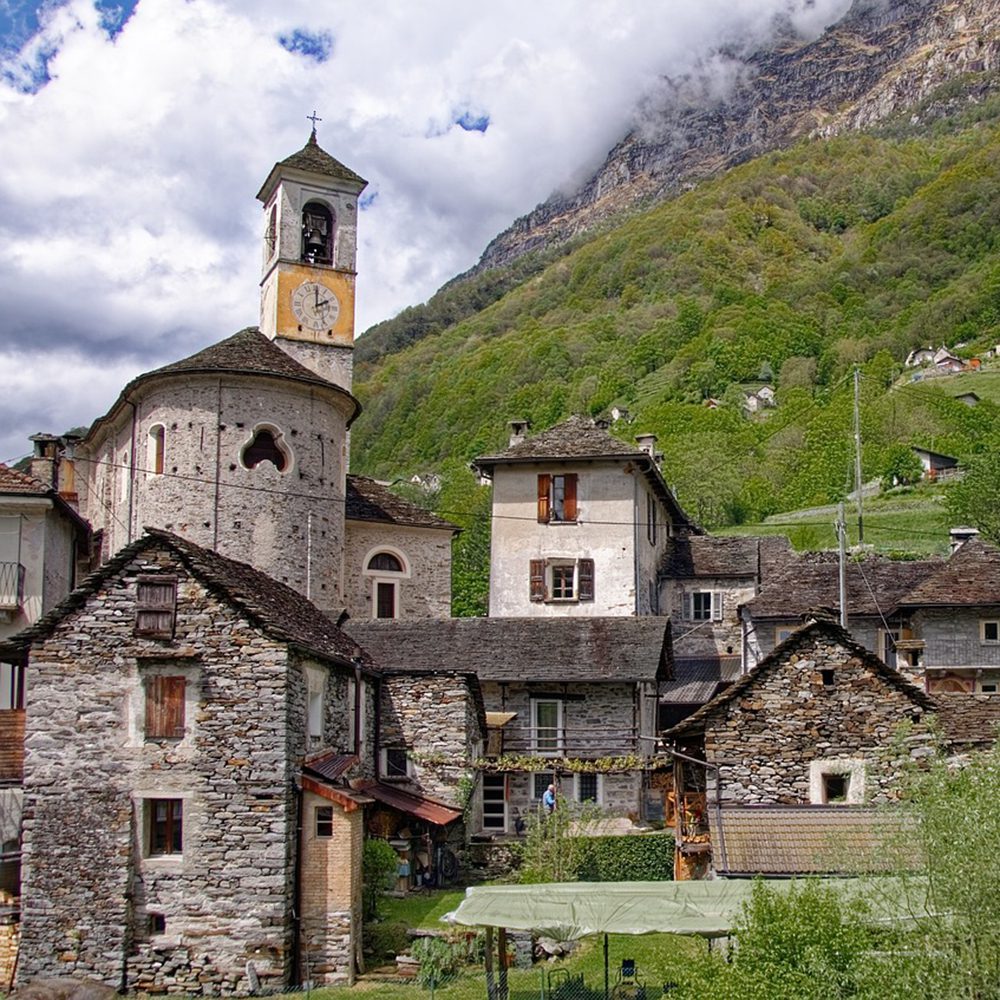
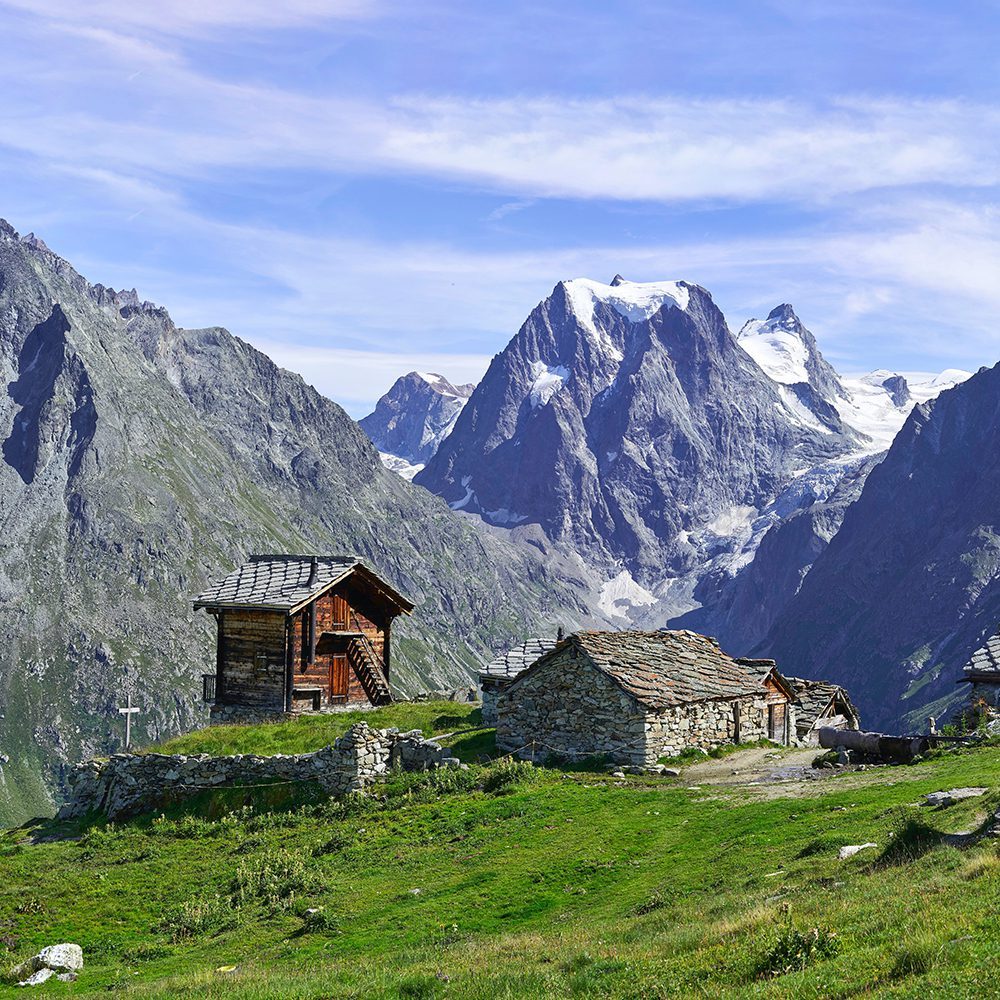
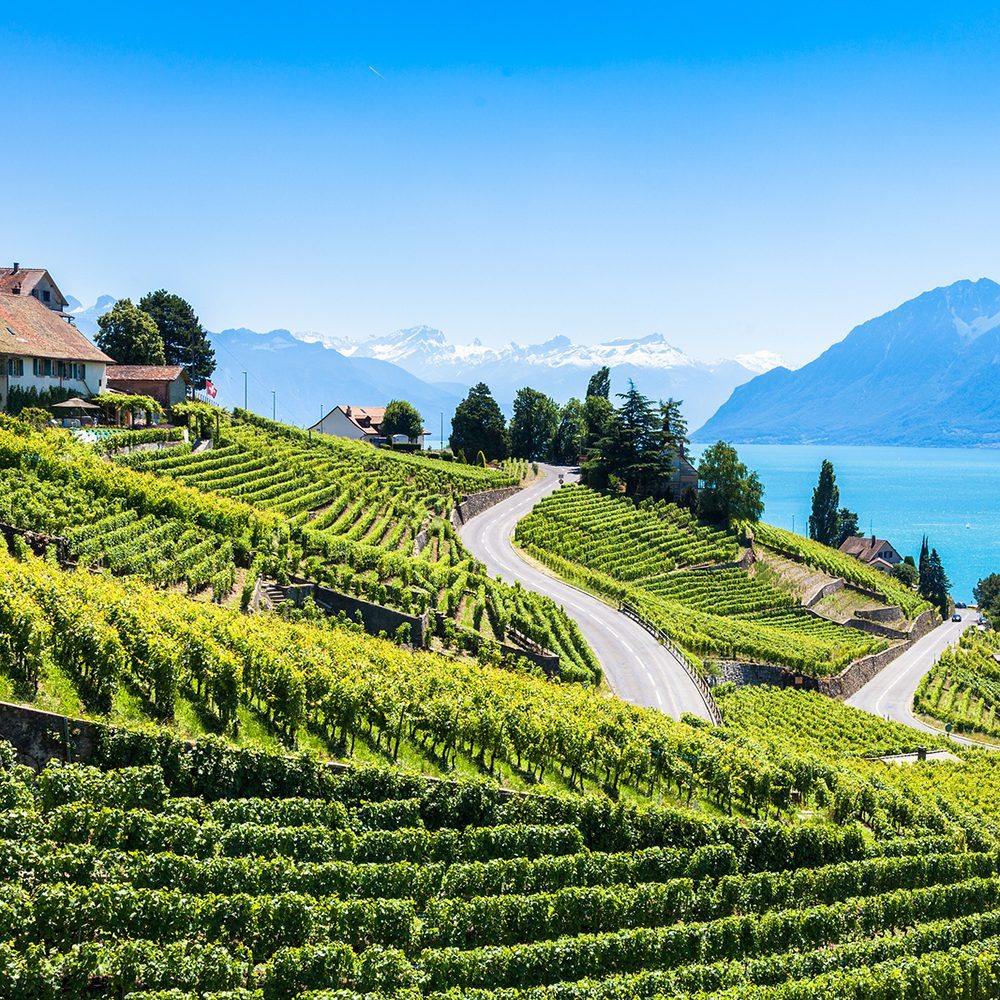
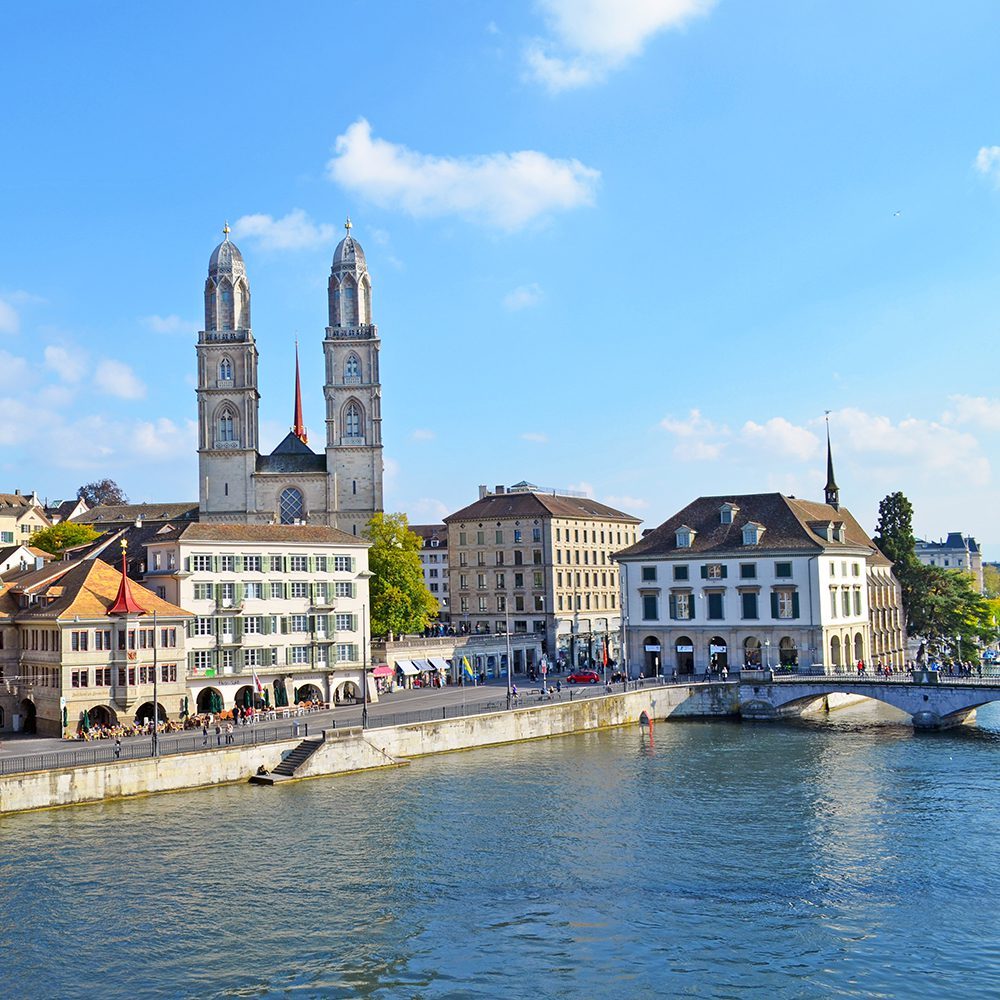
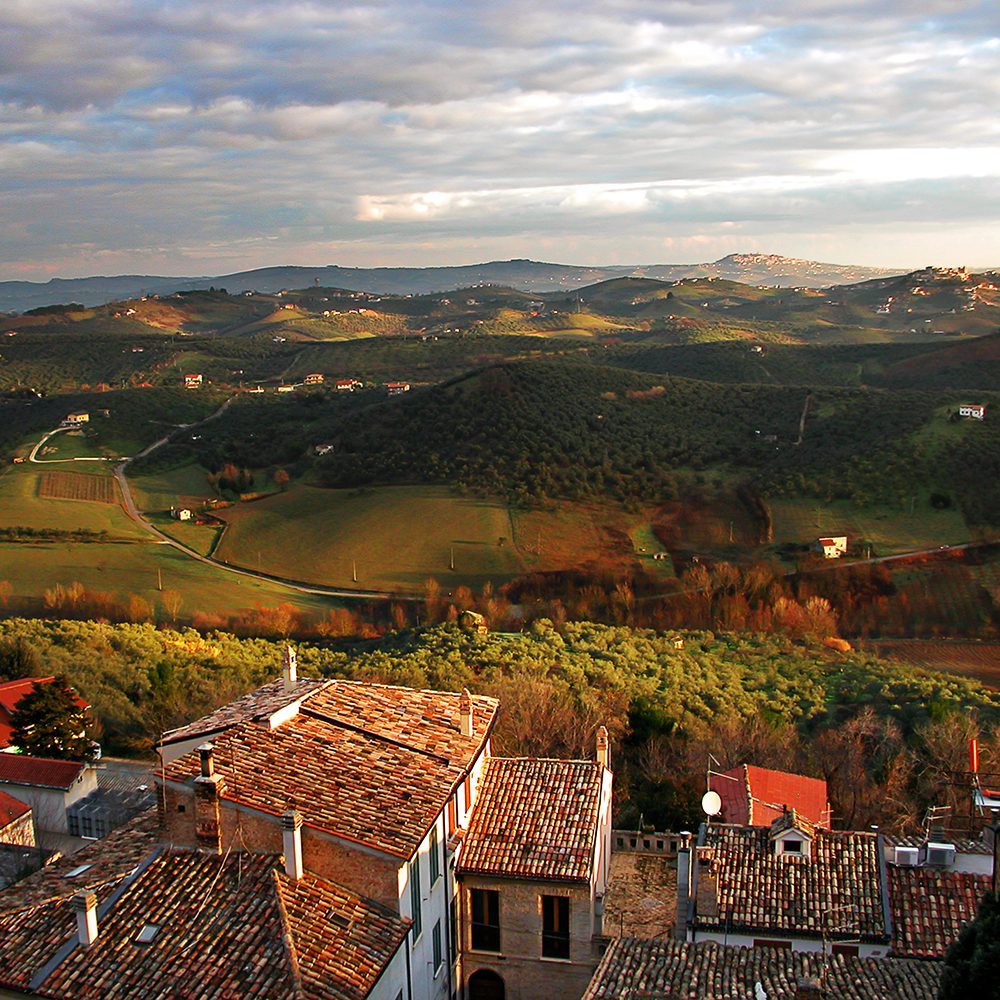
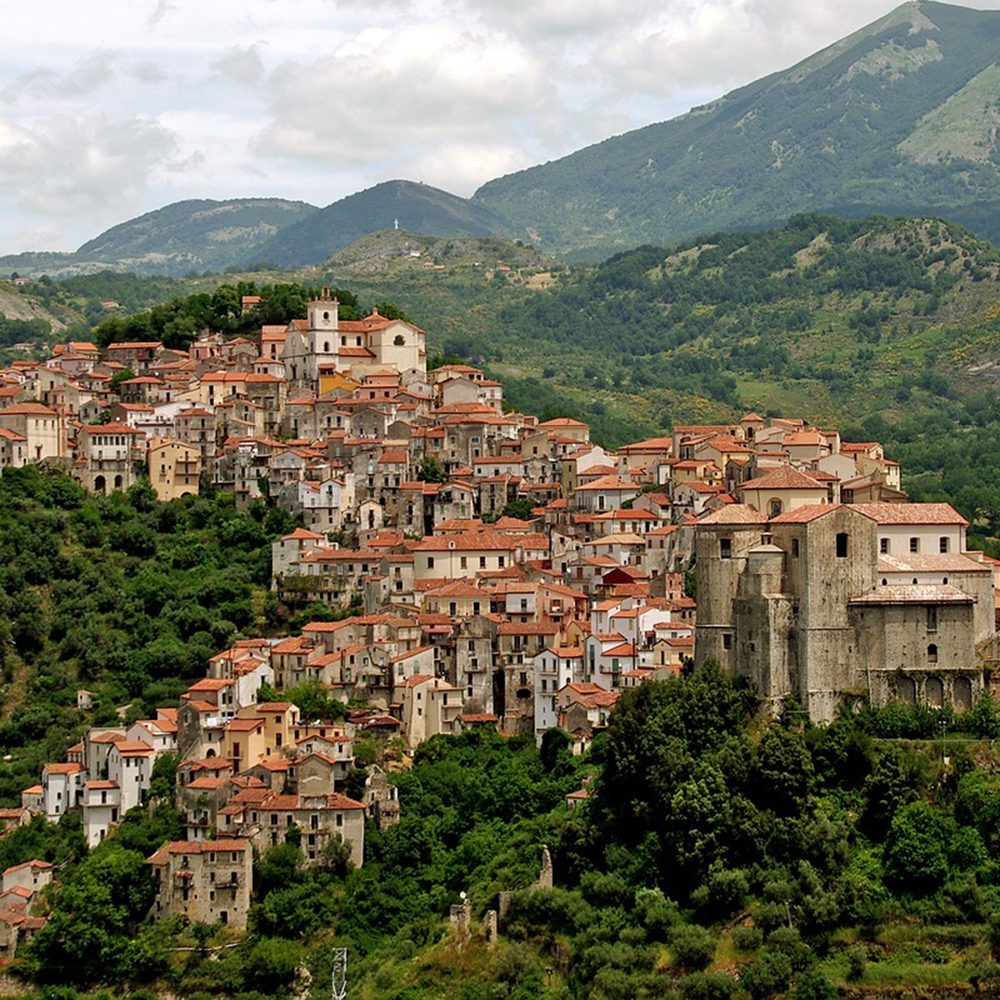
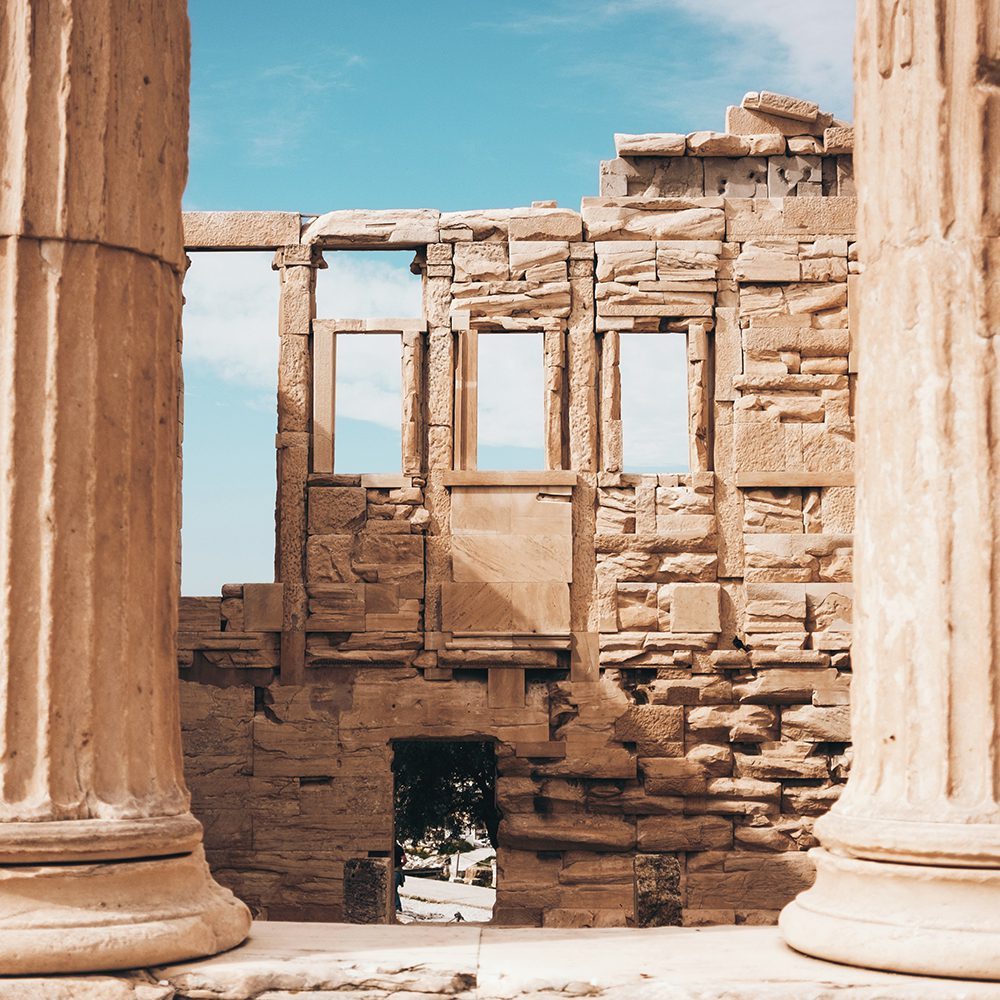
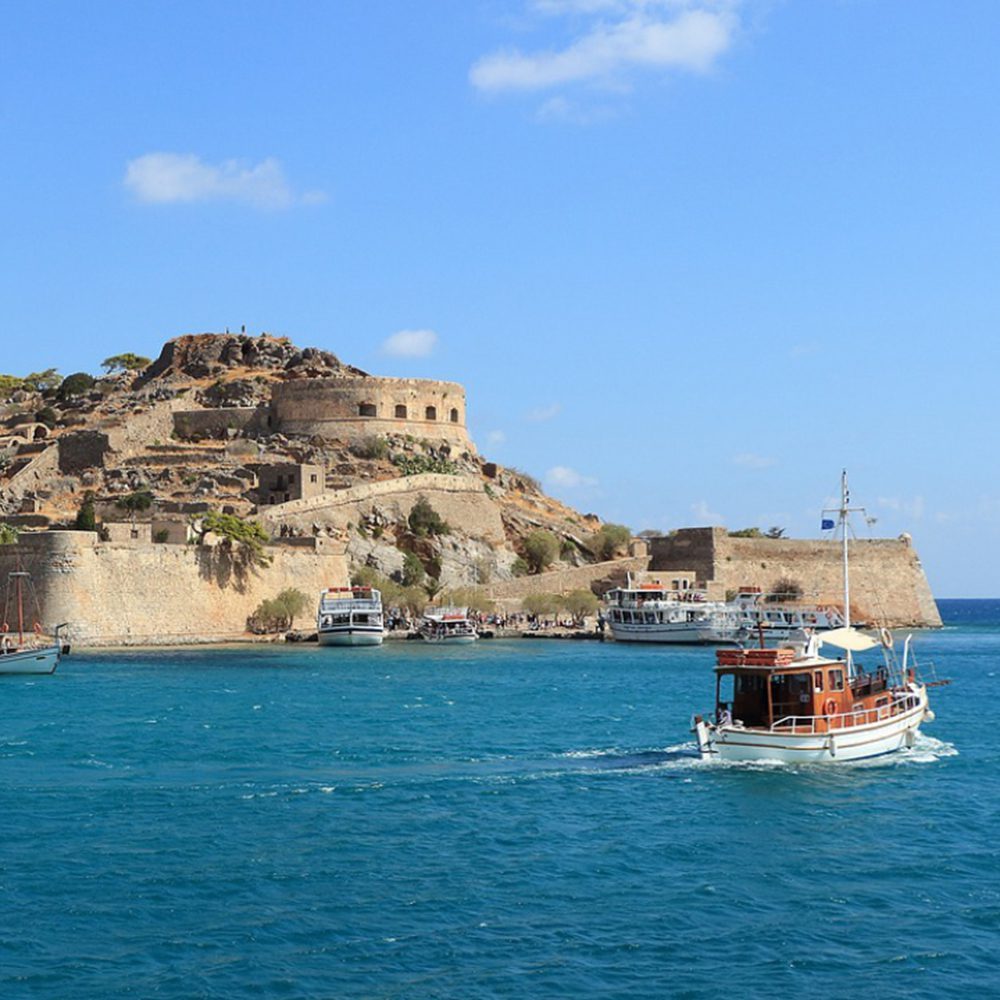
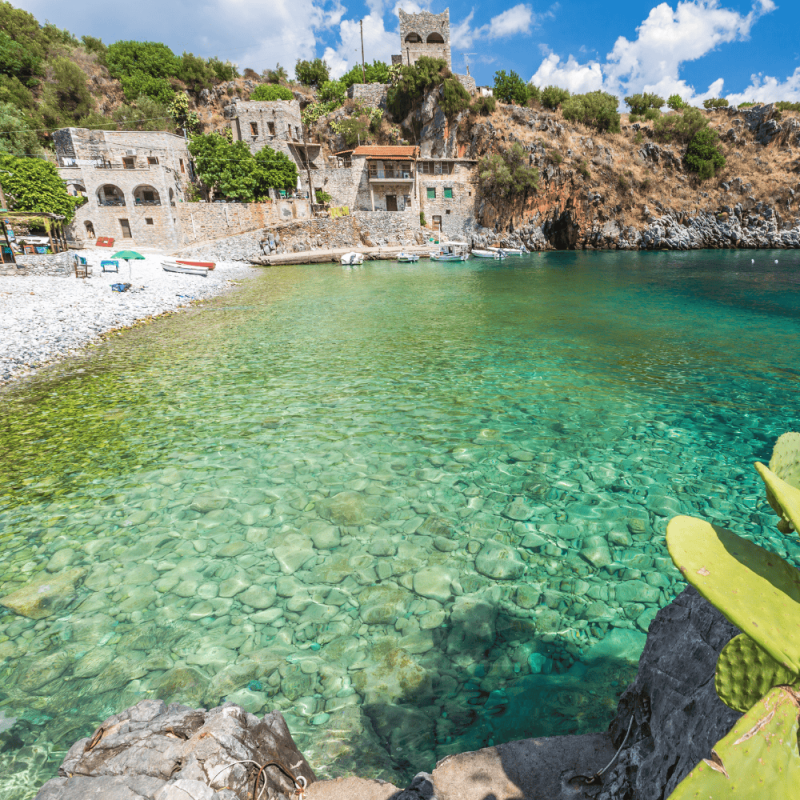
The Peloponnese is a landscape where history and geography are inseparable. Ancient theaters, fortified towns, and hilltop villages sit within working farmland and pastoral terrain. Travel here feels layered, with each route revealing both natural beauty and remnants of earlier civilizations.
Villages and Living Traditions
Rural life remains central across much of the Peloponnese. Communities are shaped by agriculture, local craft, and seasonal rhythms, with traditions preserved through daily practice rather than performance. Hospitality is direct and generous, reflecting strong local identity and pride.
A Culture Rooted in Continuity
The region’s culture values endurance and care. Foodways, celebrations, and social life are shaped by repetition and season rather than novelty. Life here moves steadily, offering travelers a sense of continuity rarely found in more transient destinations.
Best Times To Go
Spring (April–May): Mild temperatures, green landscapes, and ideal conditions for exploring archaeological sites and villages.
Early Autumn (September–October): Harvest season, warm days, and a calmer pace across countryside and coast.
Summer (June–August): Lively coastal towns and beach life, with hotter conditions inland.
Where to Stay
Accommodations range from restored stone guesthouses and boutique town hotels to countryside estates and coastal retreats. Staying inland offers immersion in village life and agricultural landscapes, while coastal lodging provides access to beaches and port towns.
What To Taste
Syglino: Smoked and preserved pork, traditionally cooked with eggs or greens, reflecting historic preservation methods and pastoral roots.
Diples: Thin sheets of dough fried until crisp and finished with honey and nuts, commonly prepared for celebrations and shared occasions.