Private Culinary & Cultural Travel
Dalmatia, Croatia
A jagged Adriatic coastline of limestone cliffs, fortified stone cities, and island-dotted horizons stretching south from Zadar to Dubrovnik.
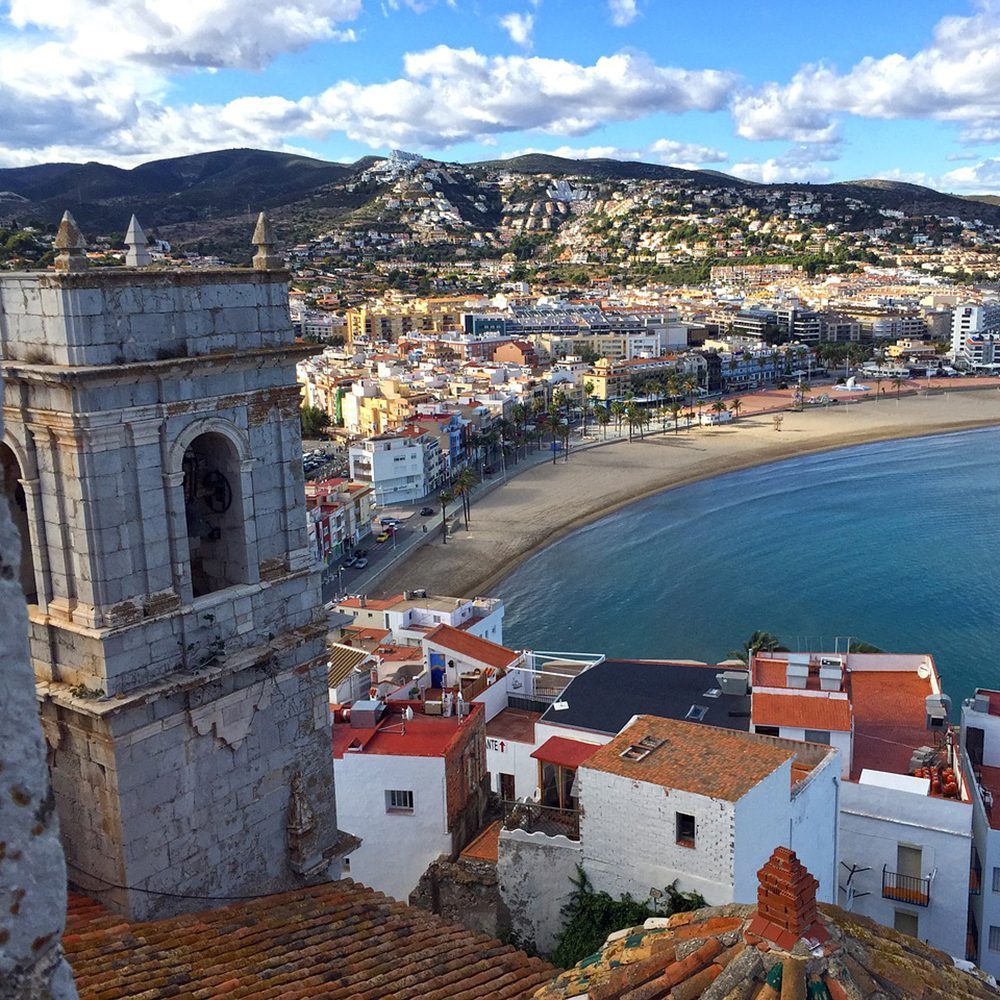
Dalmatia runs along Croatia’s central and southern Adriatic coast, extending from Zadar through Split to Dubrovnik, with hundreds of islands scattered offshore. The region is defined by Roman foundations, Venetian fortifications, and a maritime economy shaped by centuries of Adriatic trade. Dalmatia’s cultural identity is inseparable from the sea, with walled cities, fishing harbors, and island communities forming a tightly connected coastal network.
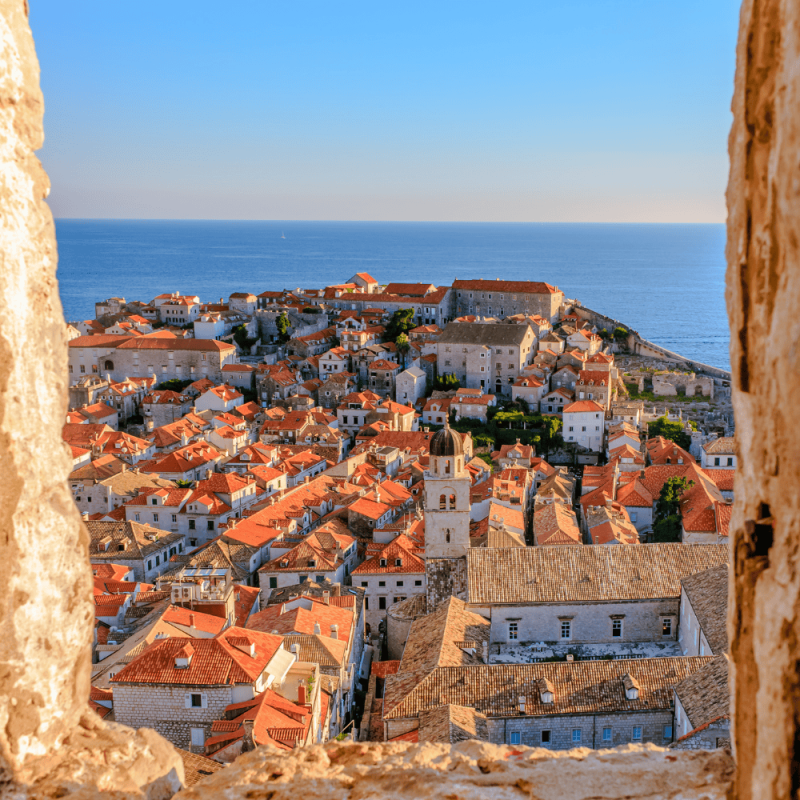
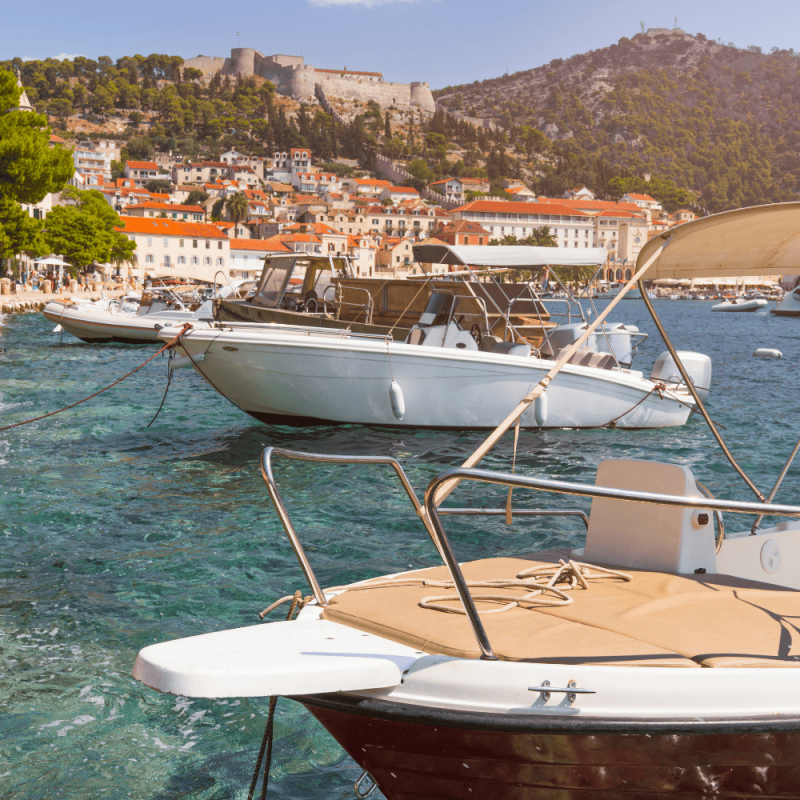
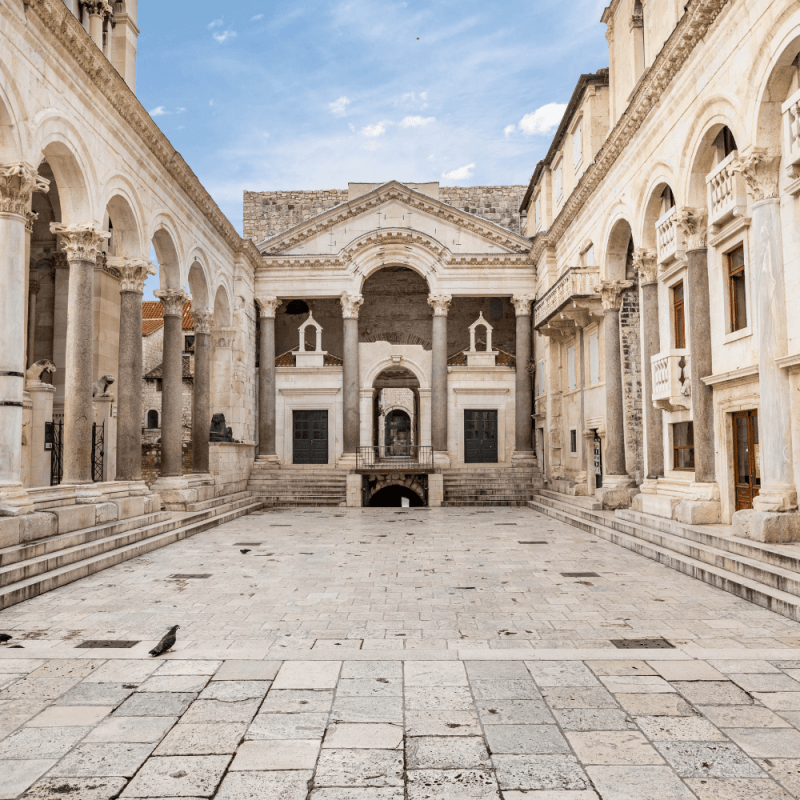
Walled Cities and Island Geography
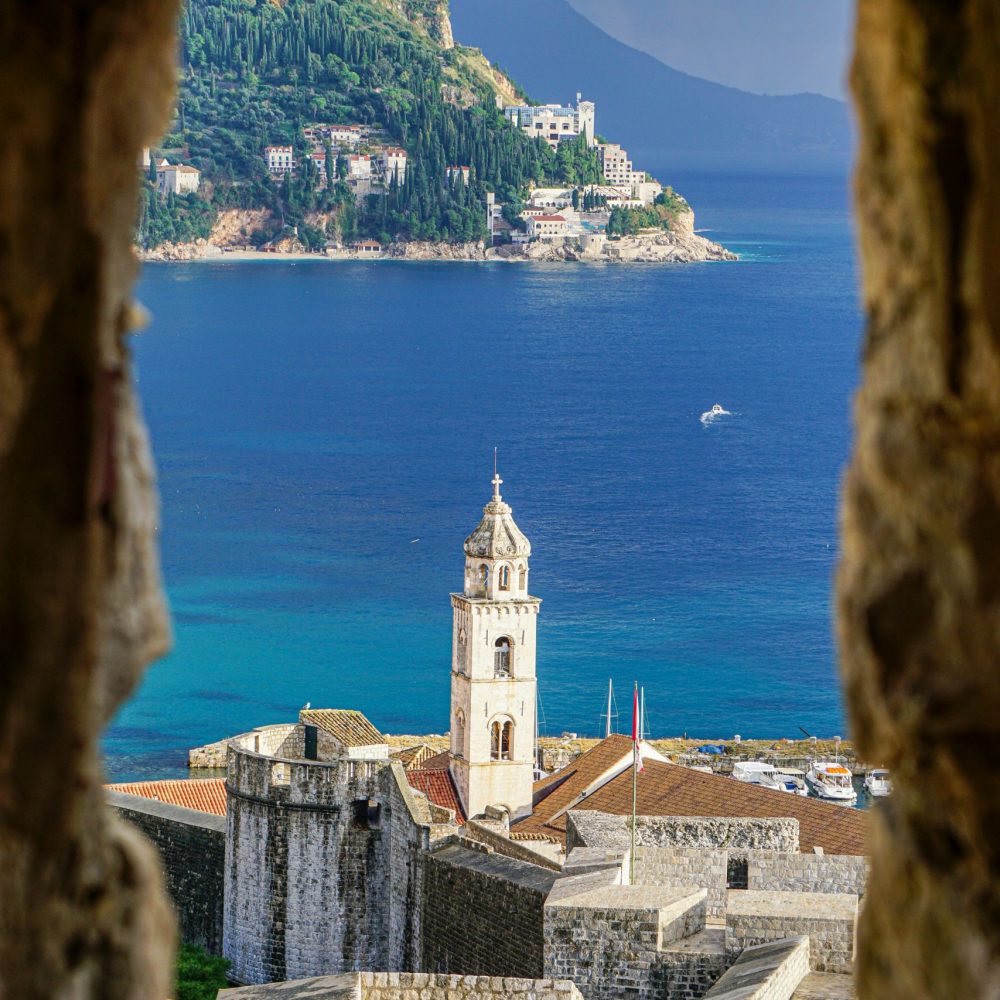
Dalmatia’s coastline is structured by stone. Split’s Diocletian’s Palace remains embedded in daily life, while Dubrovnik’s intact defensive walls encircle one of the Adriatic’s most iconic old towns. Offshore islands such as Hvar and Korčula extend the region’s urban and agricultural footprint into the sea, creating a maritime web rather than a single coastal strip.
Trade and Maritime Heritage
For centuries, Dalmatian ports linked Central Europe to Mediterranean trade routes. Venetian governance left architectural and cultural imprints still visible in stone façades and harbor layouts. Shipbuilding, fishing, and salt production shaped local economies long before modern tourism, reinforcing the region’s outward-facing orientation.
Olive Oil, Wine, and Coastal Simplicity
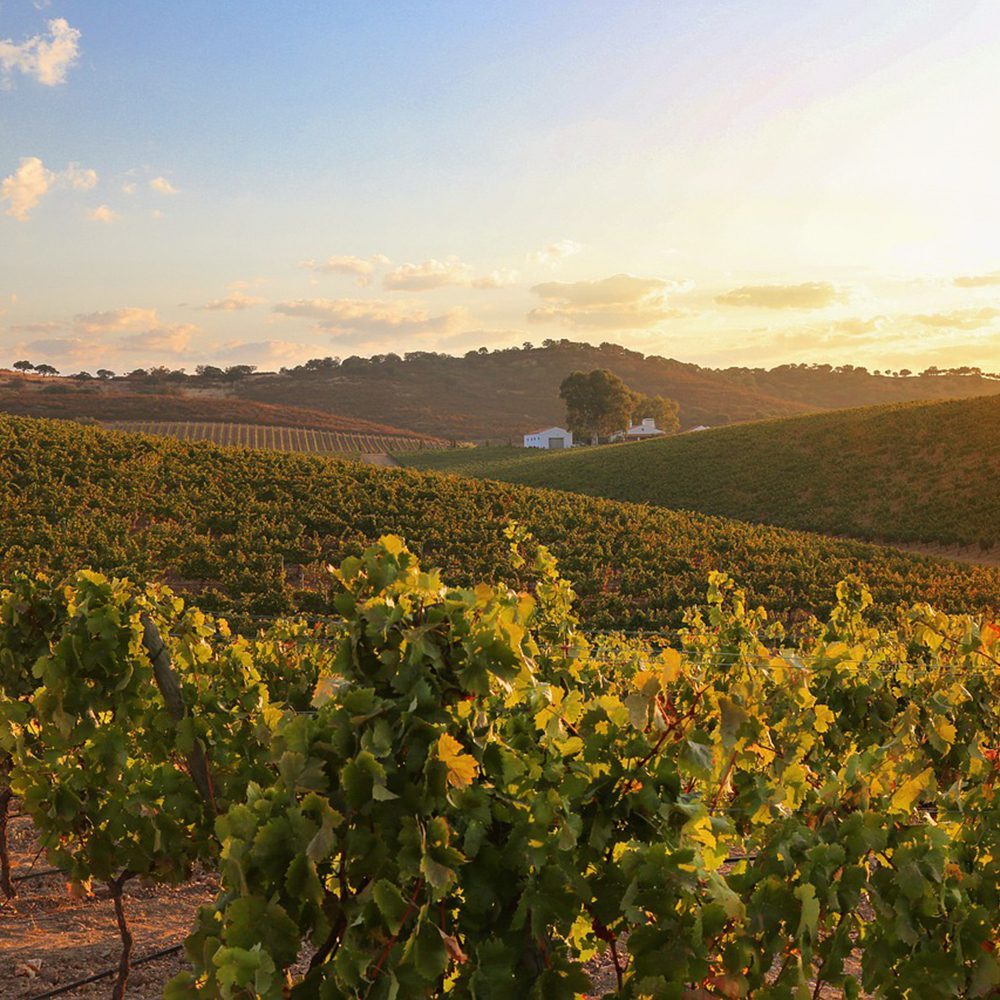
Beyond the cities, terraced hillsides support olive groves and small vineyards exposed to sea air and sun. Cuisine reflects that environment: grilled fish, octopus, and simple preparations that emphasize freshness over complexity. Dalmatian food culture is restrained and sea-driven.
Best Times To Go
Late Spring (May–June): Warm Adriatic waters, active ferry routes between islands, and ideal conditions for exploring Split and Dubrovnik before peak summer intensity.
Early Autumn (September): Stable sea temperatures, grape harvest activity on islands like Hvar, and clear coastal light.
Where to Stay
Accommodations range from restored stone palaces within Dubrovnik’s walls to seaside boutique hotels in Split and island villas overlooking the Adriatic. Mainland city stays emphasize historic immersion, while island properties offer privacy and maritime perspective.
What To Taste
Peka: Meat or seafood slow-cooked under a bell-shaped lid with potatoes and herbs, traditionally prepared over open coals and central to Dalmatian gatherings.
Black Risotto (Crni Rižot): Cuttlefish ink risotto cooked with garlic, olive oil, and local seafood, emblematic of Adriatic coastal cuisine.